Cultural consultants have a vital role to play in kids’ TV programming that benefits all stakeholders: creators, investors, and consuming audiences. I had the opportunity to do some cultural consulting for two children’s television shows, which was a unique experience as I combined my background as an educator and journalist. The learning curve was high because I actually had no prior knowledge of what a cultural consultant actually did in the context of a kids’ show. It’s my Party! was the first show we worked on back in 2017, and M is for Me was the second show, which will be released this fall 2026.
Kids’ programming has the power not only to be entertaining, but also to act as a tool to educate and teach kids about other cultural practices and festivals within Canada and around the world. A cultural consultant acts as a bridge between the show’s creators and the cultures that they are trying to represent. This is to ensure that the final product is both entertaining and culturally responsible. Since the shows I worked on are from a kid’s perspective, it became important for me to go inside their head and understand what they are trying to say. This runs with the simultaneous responsibility to ensure the show’s content accurately and respectfully represents the cultures, traditions, languages, and values.
Young viewers are very impressionable and often believe what they are told on television. Discernment often comes much later in life, once the prefrontal cortex is fully developed, so the role of a cultural consultant is vital in kids’ programming for that reason as well.
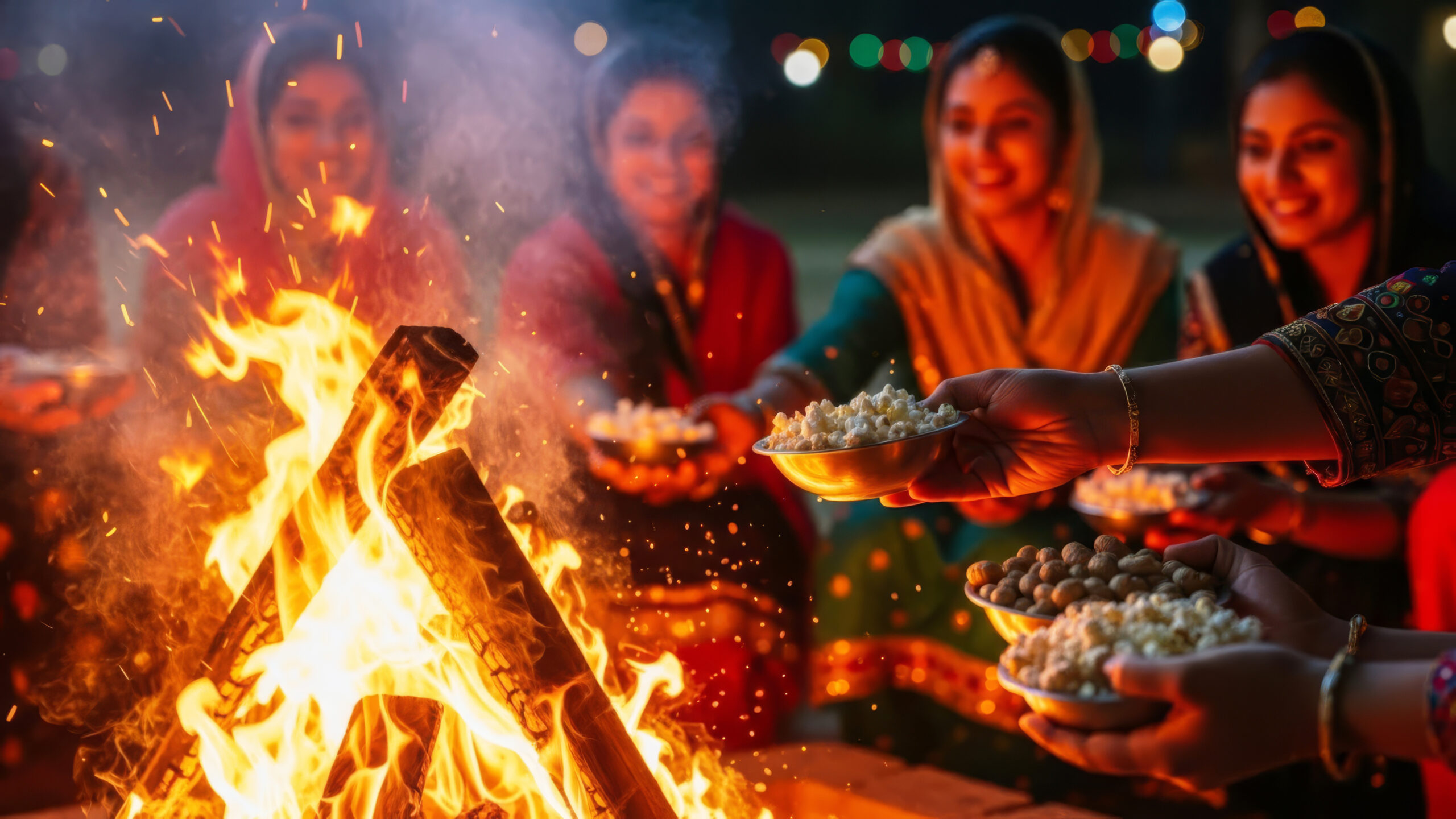
Bristow Global Media Inc. (BGM) had a series called It’s My Party! from 2018 to 2020, which showcased different cultural celebrations across Canada. I had a chance to help choose a cultural celebration from the Punjabi community, so I picked Lohri, which signifies the end of winter on January 13th in India. It has become a very popular celebration with the Punjabi Canadian community when one has a baby or is newly married.
I had a chance to review the script, characters, and storylines to make sure that the cultural factors are correctly and authentically incorporated. I also gave the lead character an outfit and some bangles, and a bindi that would be appropriate and colourful to wear to the large Lohri party at the banquet hall. The Lohri episode was very important from a cultural standpoint because Lohri is traditionally celebrated to commemorate the birth of a baby boy or a new couple getting married. Fertility, joy, and warmer days, along with a bonfire, are important in celebrating Lohri. I reached out to the Pink Ladoo Project to ensure we celebrated the birth of a baby girl, and a box of pink ladoos (sweets) was given to each family who attended the Lohri party. We even went to the Samosa and Sweets Factory to learn how to specifically make the pink ladoos, and featured it as part of the show. The hardest part for me was actually finding a family here in Toronto who was hosting a big Lohri party in the banquet hall for their baby girl. Through my network, I found a wonderful family who was celebrating their daughter’s first Lohri. I started to research the meaning behind Lohri and how we could bring everyone together through dance, food, and a small bonfire.
I wanted to avoid any possible misrepresentation, both as an educator in good standing with the Ontario College of Teachers (OCT) and as a hired member of BGM Inc. I wanted to prevent any sort of misrepresentation as a first-time cultural consultant. For example, Lohri is a cultural celebration for the Punjabi community, not a religious celebration by the Sikh community. The distinction is important and often misunderstood. As educators, our focus is on care, respect, trust, and integrity, which are the core ethical standards of the Ontario College of Teachers. My lens is always on how to bridge our communities and create an inclusive space for everyone in Canada.
The unique element of children’s programming is that it often involves an adult, such as a parent, grandparent, or caregiver, actually putting on a show for the child on television to watch. The adult may start to watch the show as well, and BGM had a great way of engaging its audience with its charismatic hosts and the kids they selected to be on the show.
The show has become an educational resource and tool, not just a form of entertainment for our children. The interesting thing about It’s my Party! is that I found that it catered to a wide audience from ages 5-12 and even younger, like 2-5, and older, like 12-15, which crossed different age groups.
The biggest compliment for It’s My Party! was receiving messages from educators around the Peel District School Board letting me know that they are showing their class the Lohri episode. Sometimes the librarian would show the episode!
M is for Me has been a different show this year through Lopii Productions, where I had to really focus as a cultural consultant in a different way. Lopii Productions started by asking me the meaning of the word “desi” and I found myself having to research so that I did not merely give my own connection to the word, which refers to the people of the Indian subcontinent. I wanted to provide an accurate meaning of which groups it included, such as people from Pakistan, India, and Bangladesh. I wanted to be as inclusive as possible, and what I love about M is for Me is that Lopii Productions included kids from so many different desi backgrounds. The food they eat, the particular words they use in their family, and the things they like – all are unique in each episode.
As a cultural consultant for M is for Me, my focus was on editing and reviewing the script for each episode. The romanized way I would write a word in Urdu or Hindi or Punjabi, whether it’s upper case or lower case, and whether the way we would address a certain family member (example: Nani as a maternal grandmother vs. Dadi as paternal grandmother, and that the word Ji adds an element of respect when referring to an elder) is very important. I had to ensure the Roman English way of writing also made sense for English television. For example, in Punjabi, we say “Sat Sri Akal” as a greeting. I needed to ensure the wording was correct and the meaning translated easily for kids to understand.
Cultural consultants have a very unique and important role to play to promote respectful, educational, and engaging content that reflects cultural diversity in a positive and truthful way. They review visual elements (costumes, music, art, props), provide context, and support sensitivity. This helps kids learn about different cultures properly while enjoying the show.
Before launching your next kids’ show, think about bringing in a cultural consultant at the creation phase because it benefits all of your stakeholders: creators, investors, and target audiences.