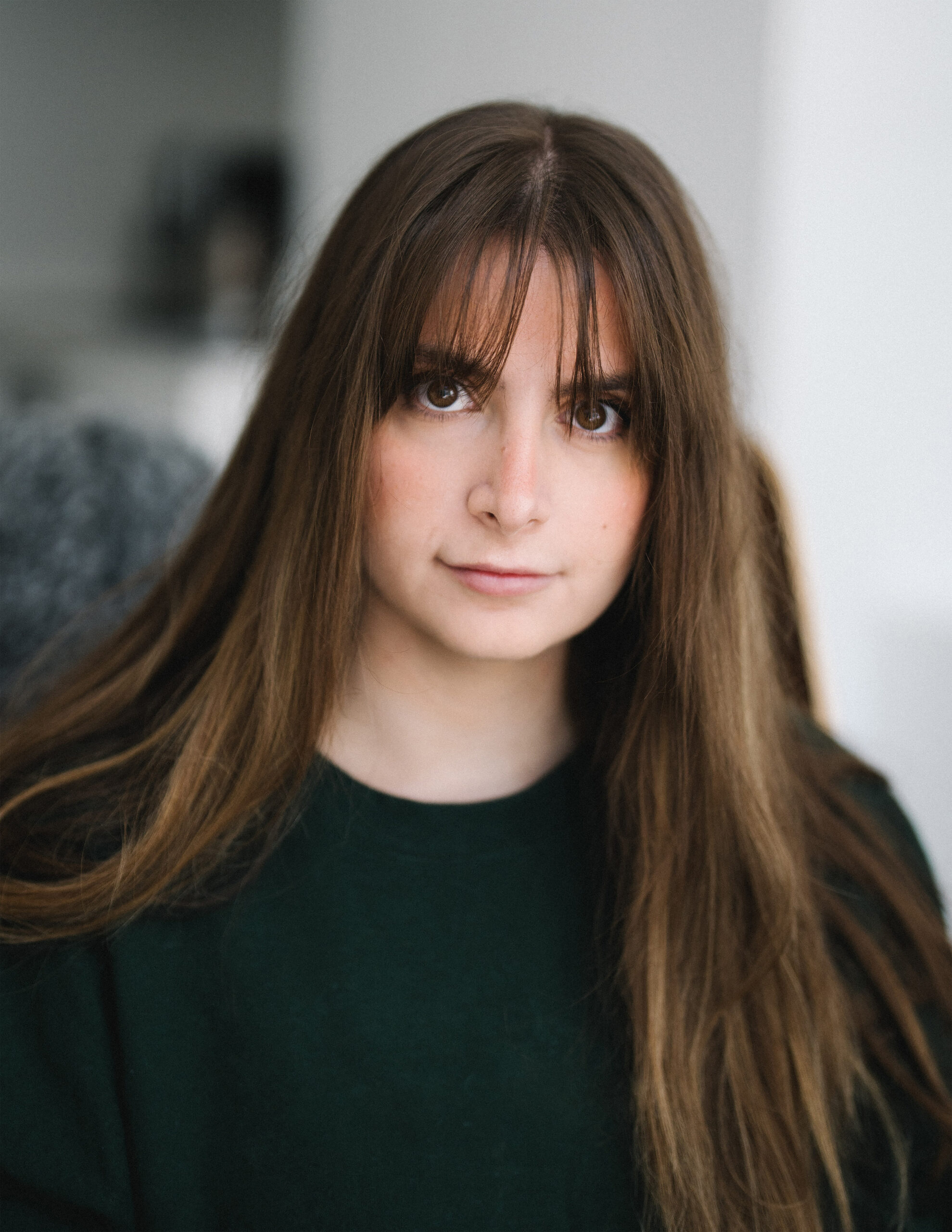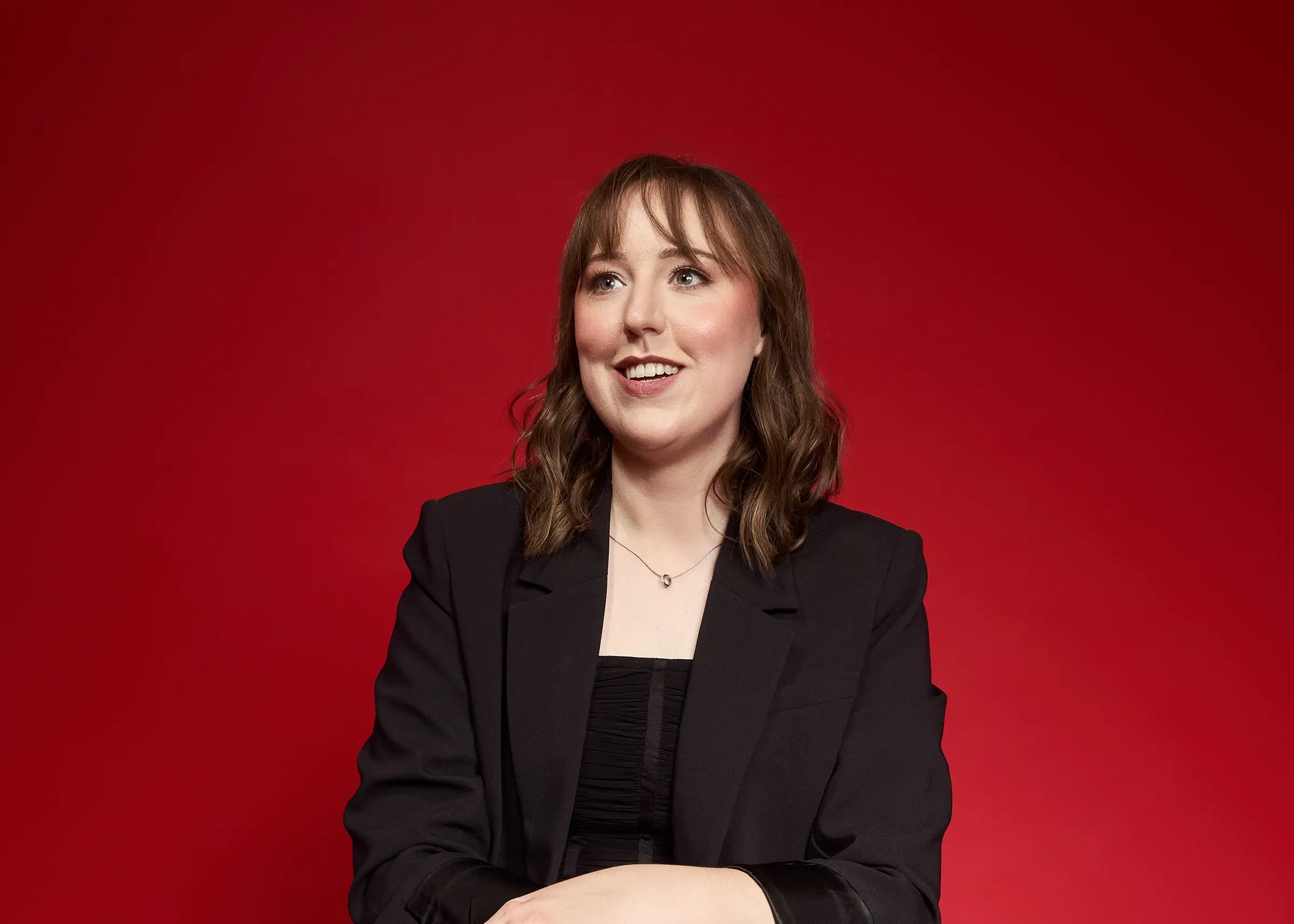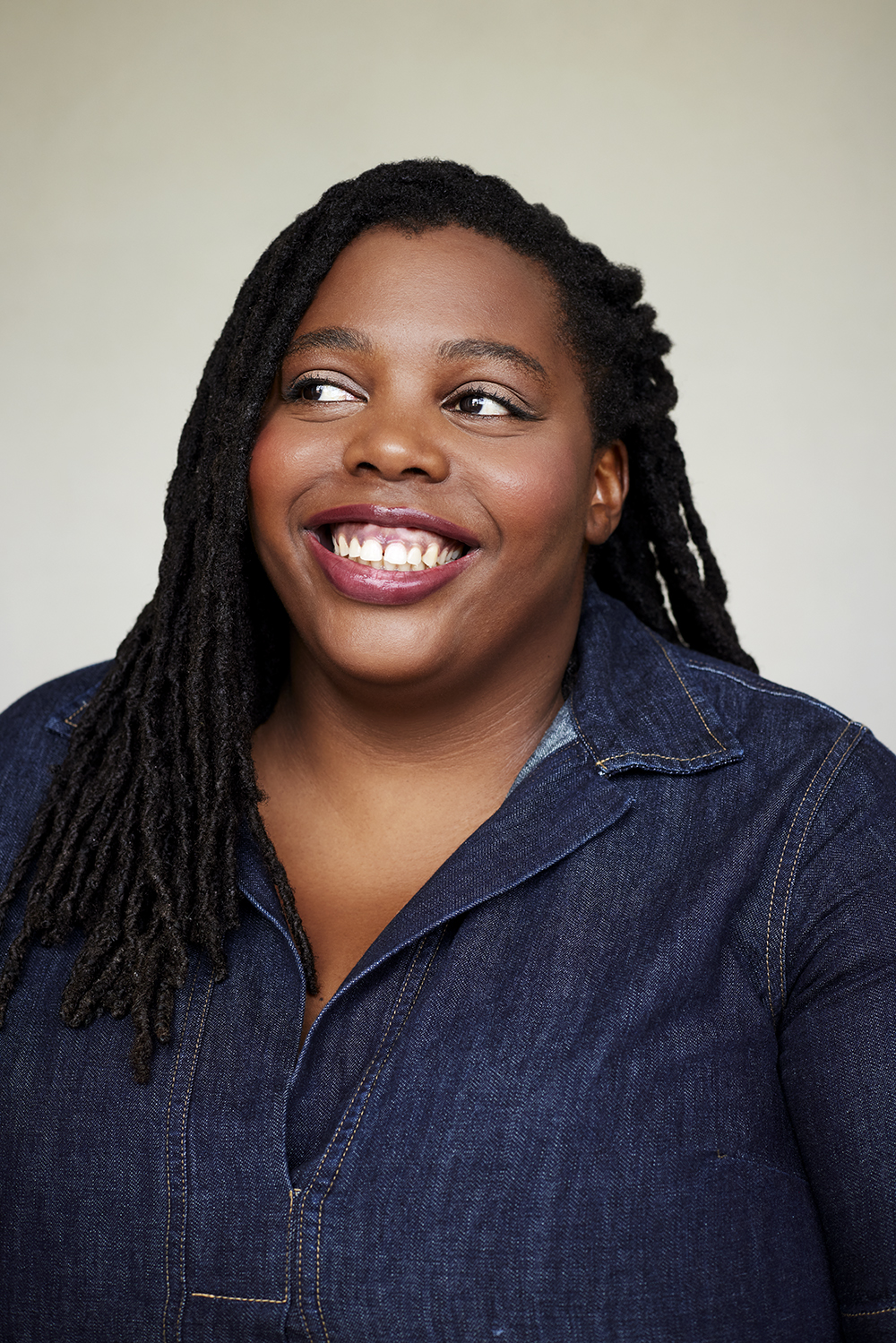
Blending social impact with deep personal storytelling, Josiane Blanc has emerged as a distinctive voice within Canada’s new generation of filmmakers. Recognized as one of Playback’s 10 to Watch, her work spans documentaries and scripted series that explore themes of identity, belonging, and resilience. Her projects often centre perspectives that are rarely given the space to be fully heard or understood.
In this conversation, Blanc reflects on the formative experiences that shaped her creative path. These range from documenting stories across South America and Africa to building a career in an industry where access is not always equal. Guided by a process rooted in trust, transparency, and observation, she continues to create films that challenge, connect, and expand the way we see one another.
Blanc also reflects on building her career from the ground up, the responsibility of telling marginalized stories with integrity, and her belief that filmmaking, at its core, is about listening.
Q. You are part of a new generation of French-Canadian filmmakers shaping the country’s screen culture. What first drew you to filmmaking, and how did your early experiences and identity influence the kinds of stories you want to tell today?
A: To be honest, filmmaking wasn’t on my bingo card. I didn’t even think of it as a possible career path. But a missing elective led me to swap my science classes for radio and film classes in college temporarily. I loved it and never looked back! I studied journalism later on and realized I was not a journalist. I didn’t care much about chasing after news stories (and wasn’t necessarily the best at it), but I cared about the people behind them, if that makes sense. During that time, I also had the opportunity to work on international cooperation projects in various countries across South America and Africa. Wherever I went, stories seemed to find me; people would sometimes bring them to me, and I’d document them with my small camera. Once, a short video doc I created helped a local NGO in Malawi secure funding for a project, which made me realize how filmmaking could be a tool for creating impact and telling human stories that often go unheard, giving people access to different life perspectives. I believe in telling stories in a way that helps us understand others’ perspectives, making it easier to relate to one another. Since then, that’s what I strive to do with my work!
“Wherever I went, stories seemed to find me; people would sometimes bring them to me, and I’d document them with my small camera.”
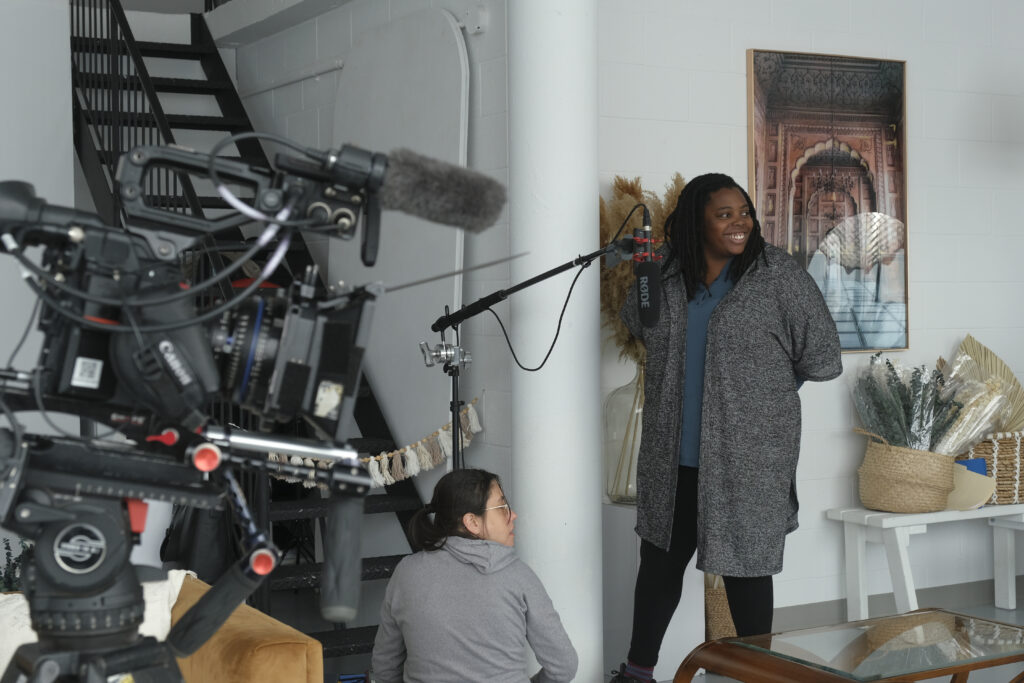
Q. Breaking into the industry can be challenging, particularly for emerging filmmakers from underrepresented communities. What were some of the barriers you encountered early in your career, and how did you navigate them?
A: I believe the most challenging part when you’re starting out is wanting to create, but lacking the credentials to show you’re capable of doing the work you want to do. As creators from diverse communities, it’s even harder to get that first “yes” or green light because, until recently and still in some contexts today, the lack of diversity at decision-making levels has limited our access to funding for our projects. I always knew early on that this would be a barrier. So, for me, building a portfolio of work was crucial to demonstrating my abilities. Early on, even before leaving school, I looked for any opportunity to build that portfolio. I saved and bought myself a camera, volunteered on projects, entered contests, and sought opportunities to create inexpensively. My first short film after school was part of a 2-minute short film contest, with everyone working pro bono. We didn’t win, but the film became proof of my work and helped me create my second film, which I made through another short film competition with the French channel UnisTV. For this one, I was given $2000 to make an 8-minute drama. The breakthrough came when I won an NFB contest to produce my first documentary film in a professional setting. I quit my job, directed Tales of Ordinary Fatphobia and kept going independently from there. For anyone trying to succeed as a creator, I suggest staying ahead of the opportunities available for emerging artists. These are definitely helpful for moving forward.
“As creators from diverse communities, it’s even harder to get that first “yes” or green light because, until recently and still in some contexts today, the lack of diversity at decision-making levels has limited our access to funding for our projects.”
Q. Mentorship and collaboration are often key in a filmmaker’s journey. Were there particular mentors, collaborators, or creative communities that played a pivotal role in shaping your path?
A: Oh yes, definitely, so many. The producer who gave me my first job in TV was Philippe Montpetit. With him, I created my first series of five-minute short documentaries in-house about teenagers doing amazing things while working at TFO. He also offered me my very first writing job on an unscripted kids’ TV show, earning my first writing credits. He played a significant role early in my career. Ella Cooper at Black Women in Film Canada brought me to my very first TIFF, my first industry event, and introduced me and the cohort to major players in the industry. That was also a turning point, a moment when the idea of this creative career I had became plausible. Rayne Zukerman, producer at IGP, supported me in my first feature documentary, Words Left Unspoken, and never stopped believing in me and this story, even when things got really tough. Oya Media’s producer bootcamp is one of the most useful and concrete producing programs I’ve been through. It helped so much as I launched my production company. BSO, Reelworld, Impact. I am so grateful for all the support I’ve received over the past decade. It has played a significant role in helping me move forward in the industry.
Q. Your feature documentary Words Left Unspoken moves between intimate conversations, observational moments, and reflections on identity and family. How did you approach shaping the emotional structure of the film to balance vulnerability with narrative clarity?
A: A lot of magic happened in the editing room, thanks to my editors, Graham Whiters and Sarah Pettie, who supported me through the very intense process of streamlining seven years of footage into a 52-minute film! I think Words Left Unspoken was a very special film. It still is. It took seven years, and the story became clearer as time went by. For shaping the structure, it was largely about building trust with my dear friend Joze and learning to follow my instincts. It was clear early on to me where the film needed to end, with intimate conversations with his family in Lebanon. But, on paper, this was a hard sell to some buyers who didn’t necessarily see why it was a ‘big deal’ or if that was a strong enough quest. As we edited the film, we reverted from that point, trying to build the structure so that people would understand what it’s like for someone like Joze to live with a severe stutter in the intimacy of his day-to-day life, but also with a strong desire to improve himself and affirm his place in the world through his journey with public speaking, “his hero journey’. By the time we reach the difficult conversations, we hope the viewers will feel the importance and heaviness of the situation and understand why it took him so long to open up, putting themselves in his shoes a bit.
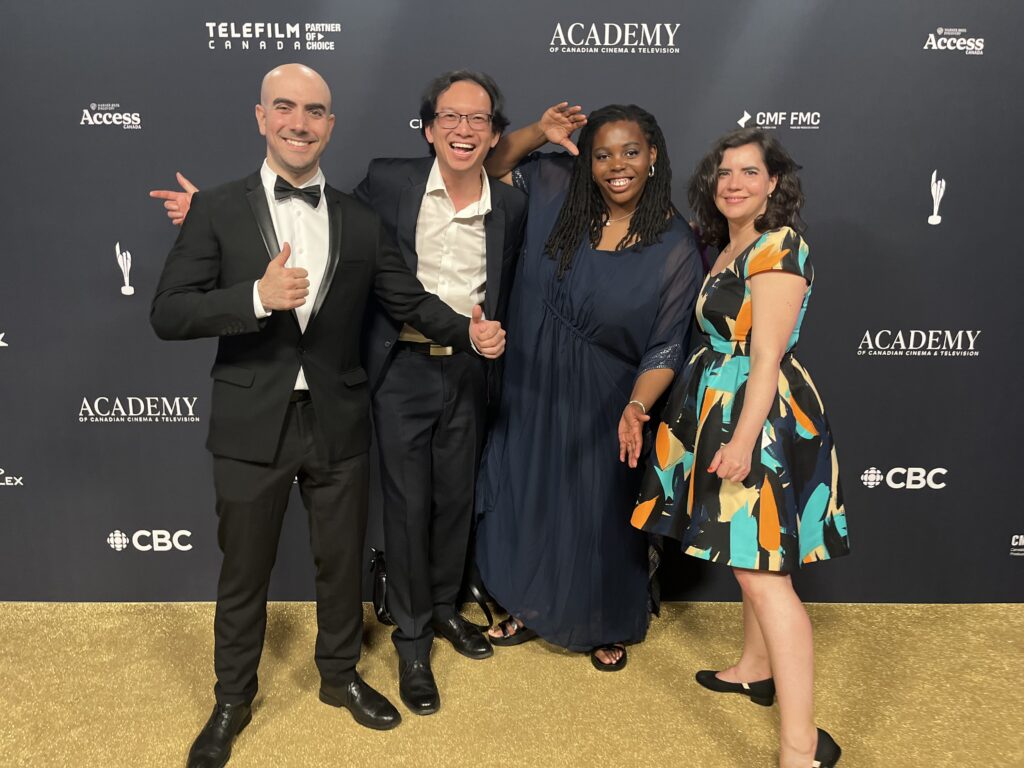
Q. Across both Words Left Unspoken and Tales of Ordinary Fatphobia, you centre stories that are often marginalized or misunderstood. What draws you to these narratives, and how do you approach telling them with care and responsibility?
A: I believe that throughout my life, I’ve been fortunate to experience different life journeys, travel, and live in various countries, which has naturally led me to always seek to understand what life is like from other people’s perspectives around the world. I often feel that marginalized communities are discussed from a single, specific point of view rather than being given a voice and truly heard. In my work, I aim to ensure that their voices are not silenced. I’ve always been more of a listener than a speaker, and I believe this greatly helps in sharing these sensitive stories. First, I listen. Then, I listen again and again. The most important thing for me is to ensure my process of creation doesn’t create more challenges or ‘trauma’ for those who have kindly opened up to me in a vulnerable way to share their stories. I do this by being as transparent as possible about my creative process while making the film. I discuss my intentions and let people know that if any of my questions or suggestions make them uncomfortable, they are not obligated to answer. I don’t push, I observe.
“I often feel that marginalized communities are discussed from a single, specific point of view rather than being given a voice and truly heard. In my work, I aim to ensure that their voices are not silenced.”
Q. Many of your projects explore complex social issues, such as body image, discrimination, communication, and personal resilience, often through the lens of youth. How do you balance the responsibility of addressing these topics with the creative freedom of filmmaking?
A: Interestingly enough, I find that the topic fuels my creativity. I often say that when a subject “frustrates” me long enough, it usually pulls me into creating, so my creative process truly stems from the subject itself. I then think about the best cinematographic language to support my message. In a strange way, once a subject speaks to me, I can see the film taking shape in my mind; I can feel the pace, camera movements, everything kind of comes alive for me, and then I start writing what I see and feel. In documentaries, I talk to my protagonist about the vision; I’m open, and I let them be part of that process. I believe that trust brings full creative freedom, and the beauty is that when people trust you and believe in your good intentions, they often contribute to pushing that initial vision even further as they let you into their world. That’s when real magic happens.
“In a strange way, once a subject speaks to me, I can see the film taking shape in my mind; I can feel the pace, camera movements, everything kind of comes alive for me, and then I start writing what I see and feel.”
Q. You have also recently written and directed Sur les traces d’Anne Greenup, now in post-production. Does this project continue your exploration of underrepresented or lesser-known narratives within communities?
A: Yes, one hundred percent! This project is finished, and it was a collaboration with my good friend Rebecca Singh. She brought me on as a writer and director on her series of e-books and short films called “Lifting as We Climb,” showcasing Canadian women who’ve been erased or forgotten by History. Anne Greenup founded the Coloured Women’s Club in Montreal, but there is very little information about her. We made a really nice discovery about her during the project, and this really fun project actually led Rebecca and me to work on another series currently in development, which is exciting!
Q. As the Canadian screen industry continues to evolve, what kinds of stories or creative directions are you most excited to explore next? What would you like audiences to see more of from your work?
A: I’m always eager to explore new things. I enjoy the novelty, I like challenging myself creatively to do things differently, and I love to learn. While my work will always focus on social impact topics, I am keen to delve into more scripted comedy and dramedy projects in film and TV. But I think projects can totally be socially impactful and hilarious at the same time! Or at least, that’s what I’m trying to explore right now.
QUICK TAKES:
Q. What projects are you currently pitching or developing?
– I’m working with an amazing team of women on a feature documentary about endometriosis.
Q. What stage are these projects in (writing, pre-production, post-production)?
– We are at the end of production, only 3 days of shooting left!
Q. What kind of collaborators are you looking for right now? (writers, actors, producers, crew, etc.)
– A bilingual, French and English, grant writer. But I am always open to meeting new people and making connections!
Q. How can people get in touch if they want to collaborate or learn more?
– Instagram, Facebook, LinkedIn or by email – info@diversifiedvoices.ca
Q. Are you looking for submissions, funding, or other opportunities?
– As a creator, I’m always looking for funding; this is my full-time job, ah ah, ah. But joke aside, I’m also interested in writer or director-for-hire opportunities.
Q. Any upcoming events, screenings, or launches readers should know about?
– Not at the moment, but follow @josianeblanc_film if you want to stay updated on my work!
Photo Credits: Julie Artacho, Laurence Grandbois Bernard, Canadian Screen Awards, Joanna Glezakos.