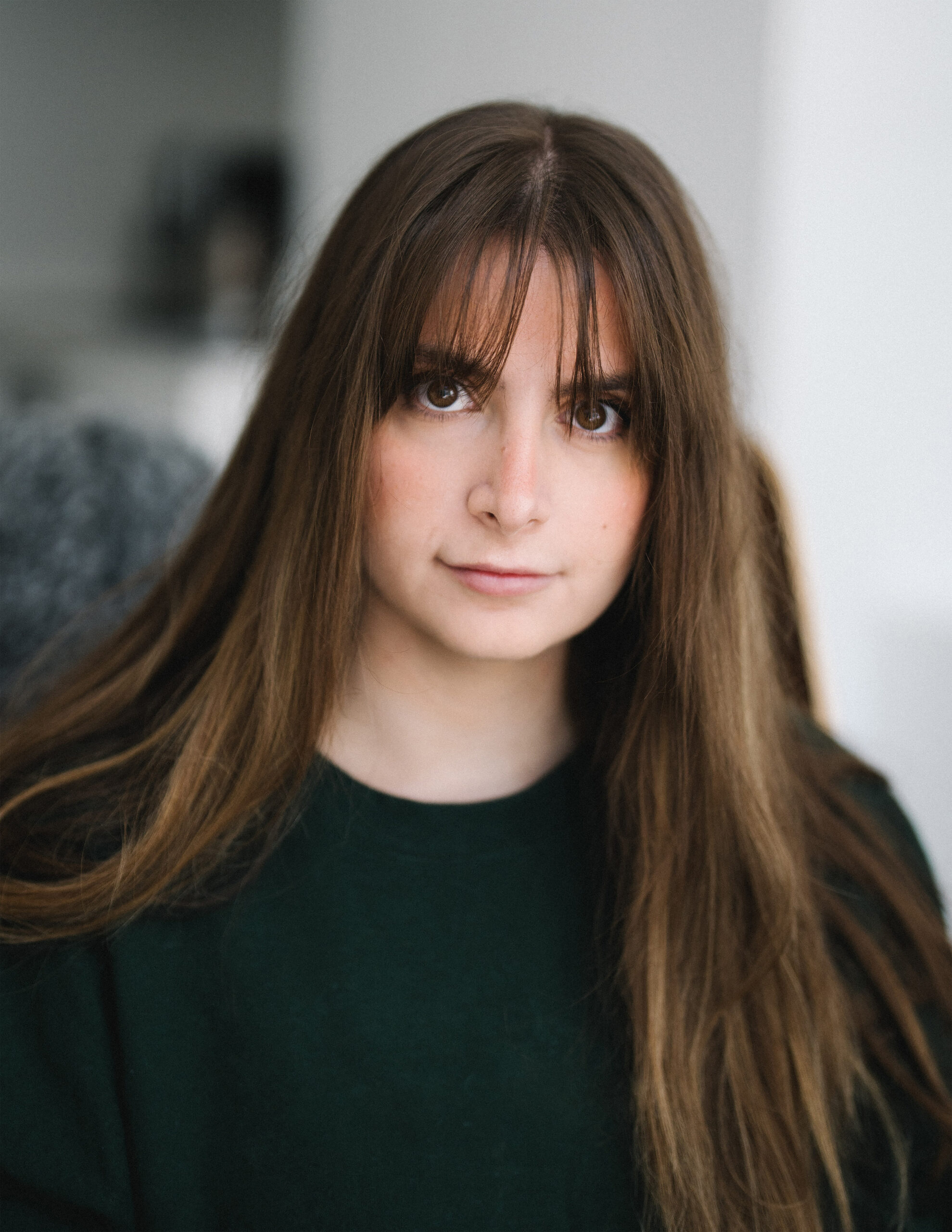
Set against the quiet turbulence of adolescence, Blood and Water traces thirteen-year-old Dara’s journey through puberty, identity, and the unspoken tensions within her relationship with her father. With a delicate, observational lens, the film captures the emotional weight of growing up between cultures, where language, silence, and generational distance shape one’s sense of self. In this conversation with Shwayta Sharma, filmmaker Kristina Mileska reflects on crafting a story rooted in immigrant experience, memory, and the subtle complexities of coming of age.
1. Blood and Water follows thirteen-year-old Dara as she navigates puberty, friendships, and a complicated relationship with her father. The emotional growing pains she experiences feel deeply relatable for anyone who remembers their adolescence. What inspired you to write this story?
I wanted to capture what it felt like growing up as a Macedonian immigrant in the suburbs of Toronto and that experience of being in between cultures. I am also interested in how language shapes relationships inside a family. What is said, what is not said, and what gets lost in translation. At the same time, I wanted to look at a parent who is flawed and complicated and explore how generational trauma and immigrant isolation can quietly shape a household.
2. Many moments in the film place Dara alone, quietly processing the world around her. The film itself has very minimal dialogue. How did you work with your lead actor, Irene Balaburski, to convey Dara’s inner experience in moments where she cannot fully articulate what she’s feeling?
I was really lucky to work with Irene Balaburski, who is actually my cousin, so there was an immediate level of trust between us. We connected over our shared immigrant experience, even with the differences in generation and age, and that helped us build Dara from a place that felt authentic. A lot of our work focused on physicality instead of dialogue, and we explored how small shifts in body language can express emotion. Irene is very intuitive and really leaned into those physical choices naturally.
3. The film touches on themes of bodily change, identity, and control. How did you balance the physical aspects of puberty with the emotional and psychological shifts happening at the same time?
I remembered that age as very confusing and uncomfortable. You feel self-conscious in your body and unsure of who you are. At the same time, you start seeing your parents as full, flawed people. Those shifts can feel destabilizing and hard to name. I wanted to hold that tension and let the physical and emotional changes exist together in a quiet, observational way.
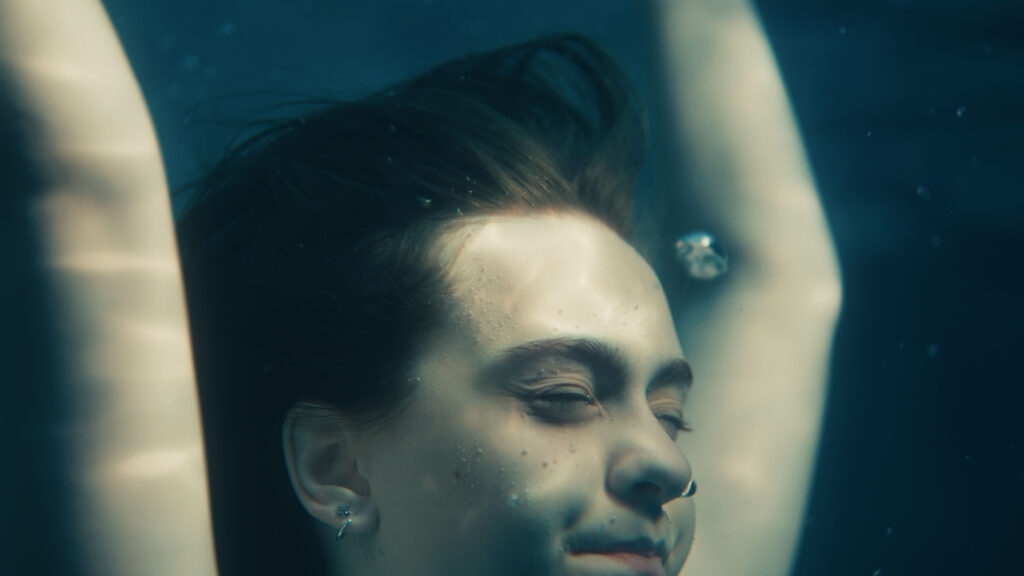
4. The visuals of Blood and Water are very vivid and visually captivating. What was the approach you took when crafting the visuals, and the use of particular colours to convey different emotions within this film?
I wanted the film to feel like a memory, like a childhood summer that is warm and slightly hazy. That was the starting point for the visual language. We leaned into warm tones and more saturated colours to build that sense of nostalgia. Even in heavier moments, I wanted the film to stay visually bright. I wanted to encapsulate that contrast because, for me, memory doesn’t clearly separate joy from pain. Difficult moments can still live inside something that feels nostalgic and tender.
5. Blood and Water also speaks to complicated father/daughter relationships as well as the struggle that children of immigrant parents often face when it comes to identity. In what ways does cultural identity shape Dara’s experience of growing up and her relationship with her father?
As an immigrant, you often feel like you exist as two versions of yourself. At home, there are certain expectations, and outside, there is pressure to fit in, so you are constantly shifting between worlds. Language plays a big role in that. When you can’t fully express yourself, things stay unsaid, and that shapes connection. For Dara, that tension defines her relationship with her father. I wanted that quiet distance to sit underneath everything.
6. What were some of the biggest challenges you faced while making this film, particularly working with a young lead and emotionally sensitive material?
Honestly, the biggest challenge was the weather! It was either extremely hot or raining, and it kept disrupting our schedule, so we had to adapt quickly.
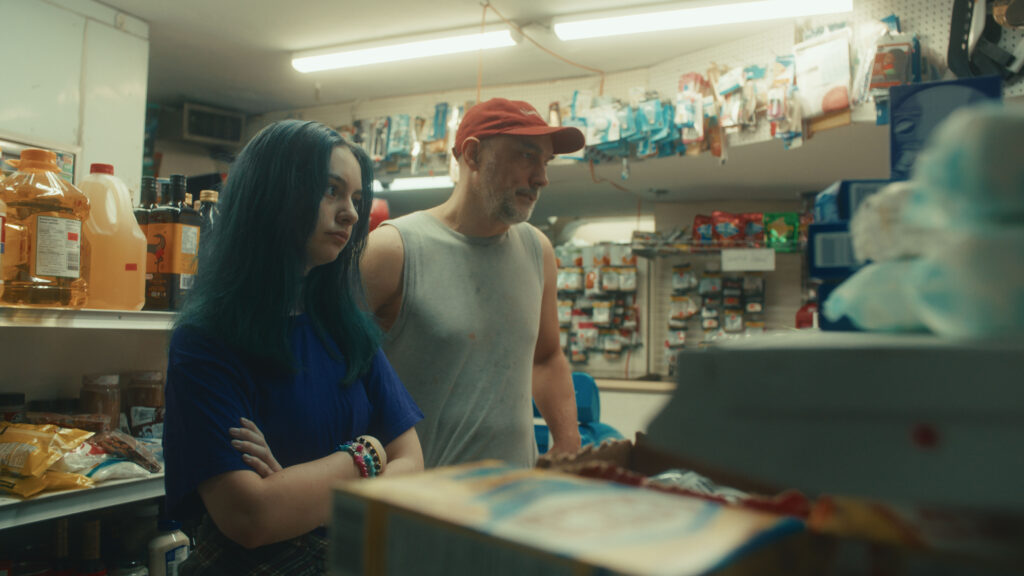
Making sure the set always felt safe, especially for our young actors, was the priority from the start. Irene and I already had a strong bond, but we spent a lot of time with Tony Naumovski (who plays Tato) before shooting, just getting to know each other. That process built a real sense of trust, which was crucial for those more emotionally difficult scenes.
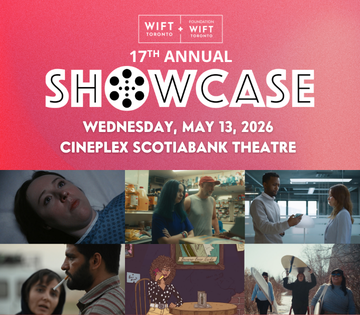
7. Blood and Water will be playing at the WIFT+ Showcase on May 13th. What message do you hope that the audience takes away from this film?
I hope audiences see themselves in it, even if their background is different. I also hope the film creates empathy, especially for young people growing up between cultures, and for families who carry the emotional weight of their own histories.
Quick Takes:
Q. What projects are you currently pitching or developing?
I’m currently developing a feature film that is based on Blood or Water. It’s still a father-daughter story, but it’s set against the backdrop of a violent crime, with a murder-mystery element woven through a coming-of-age drama.
Q. What stage are these projects in (writing, pre-production, post-production)?
The feature is currently in development. I’m in the final writing-stages and working toward a production-ready draft. I hope to apply for funding over the next year.
Q. What kind of collaborators are you looking for right now? (writers, actors, producers, crew, etc.)
I’m especially looking to connect with producers as I develop the feature, but I’m always open to meeting other filmmakers and creatives.
Q. How can people get in touch if they want to collaborate or learn more?
You can reach me on Instagram at @kristina_mileska or by email at krmileska@gmail.com.
Q. Are you looking for submissions, funding, or other opportunities?
I’m currently looking for funding opportunities.
Q. Any upcoming events, screenings, or launches readers should know about?
Blood or Water’s next screening will be at the Blue Mountain Film + Media Festival as part of the Canadian Shorts Program on May 29.
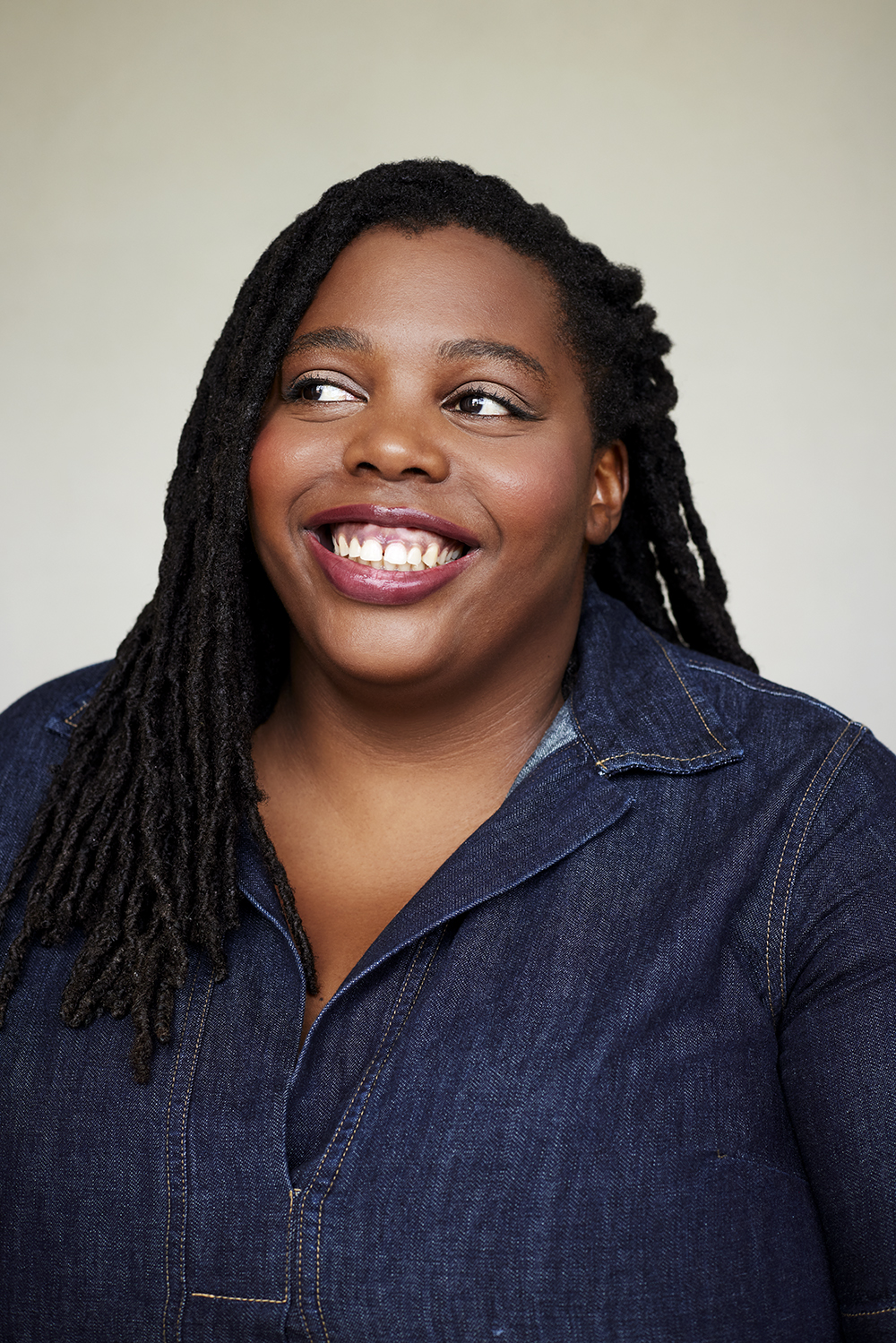
Photo Credit: Andy Kloske