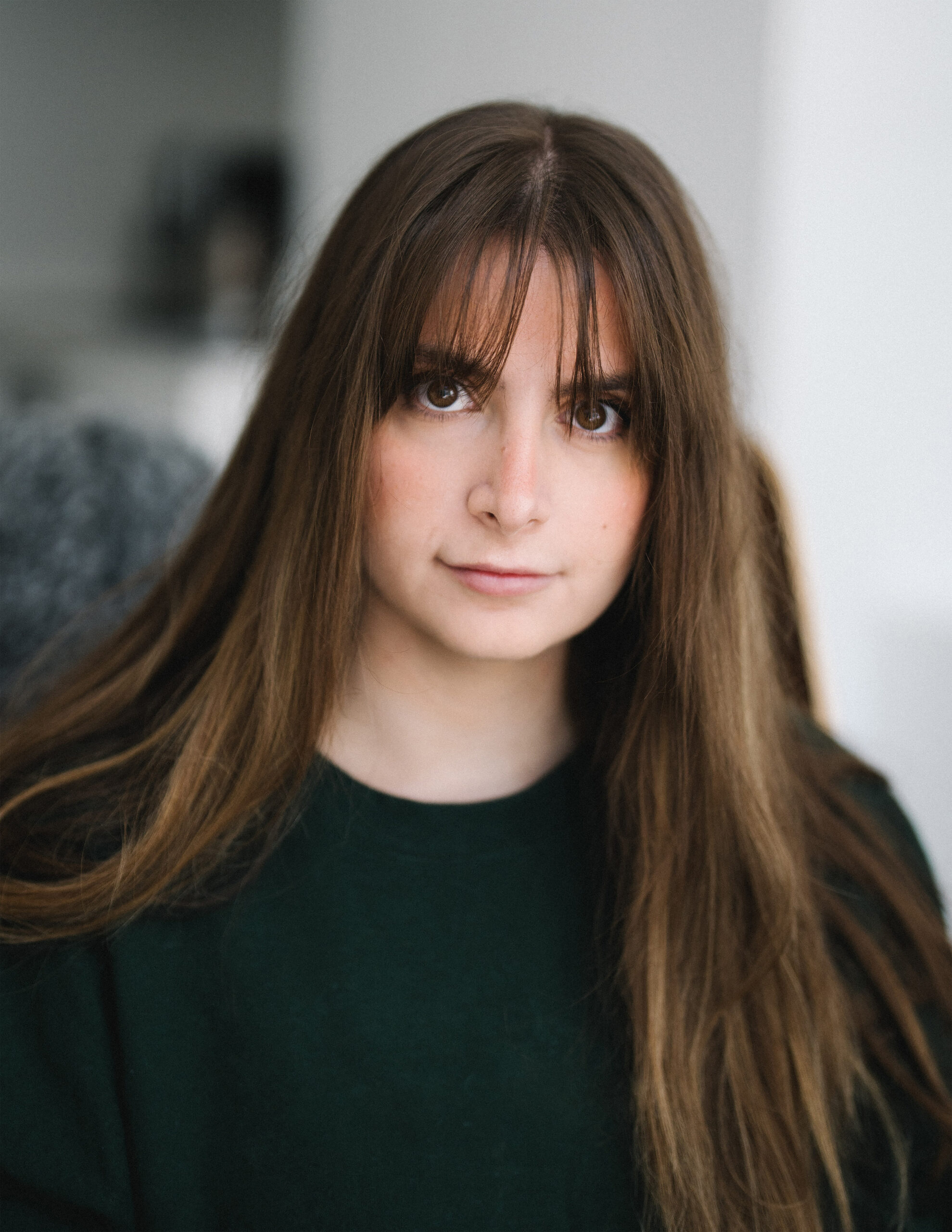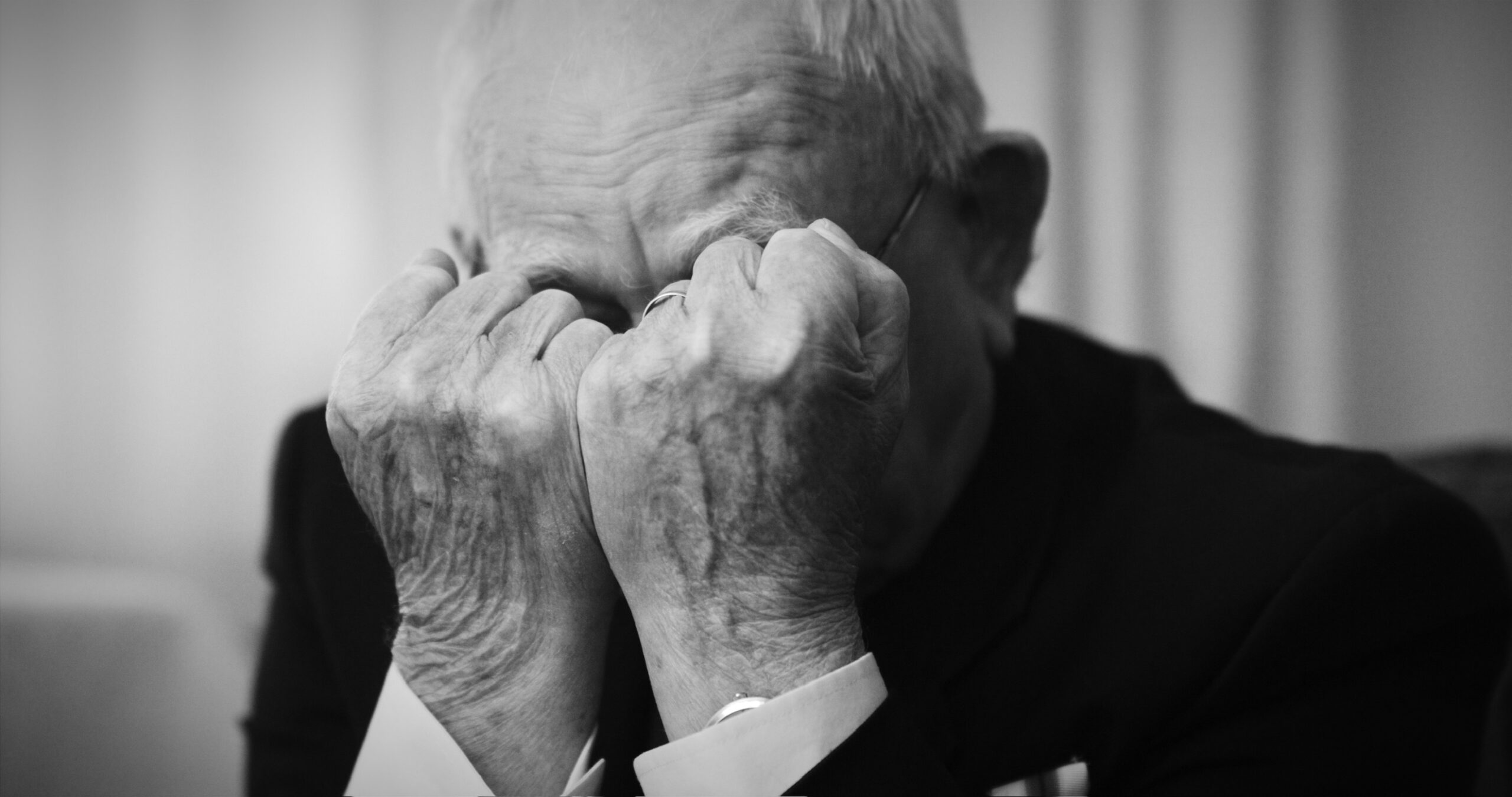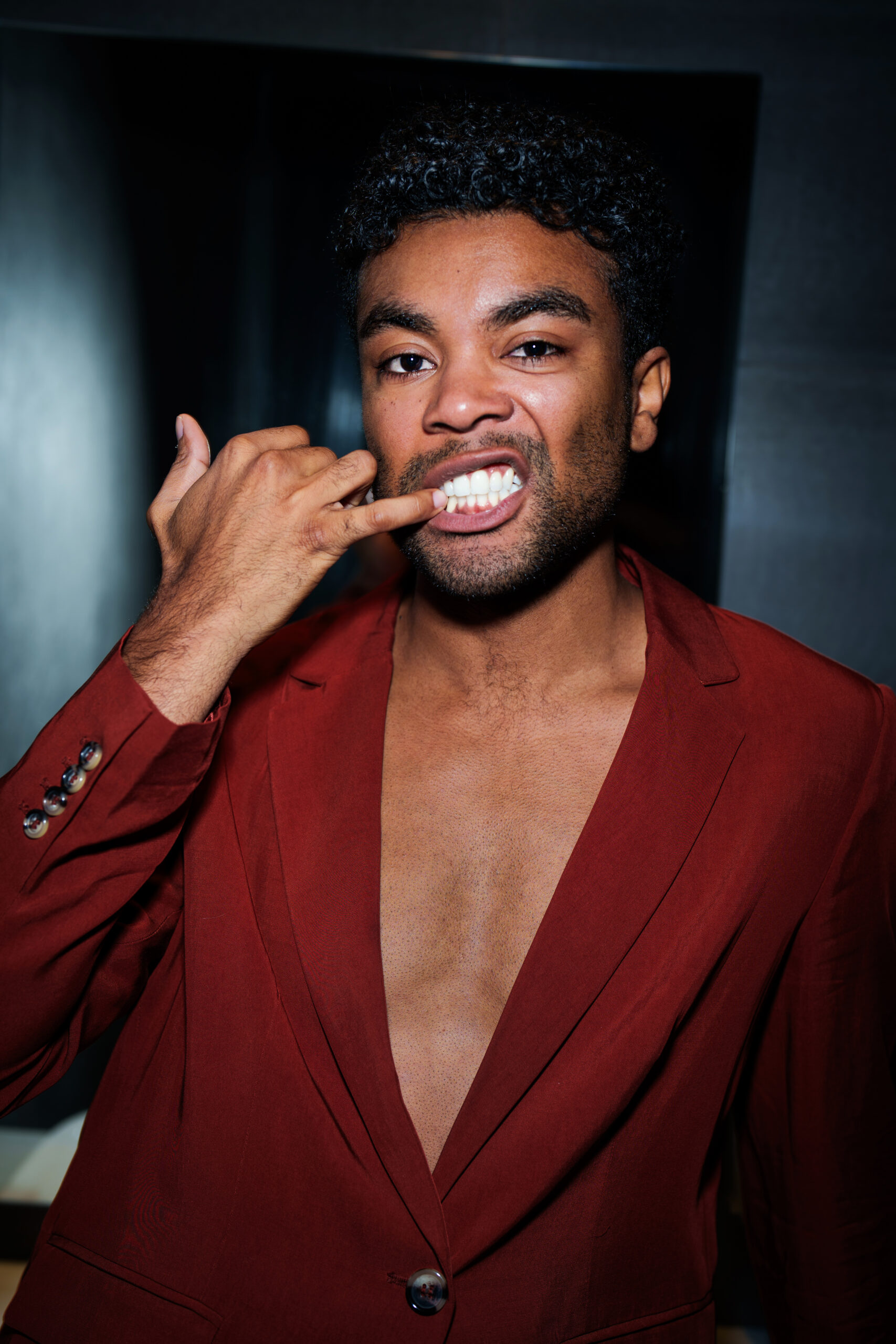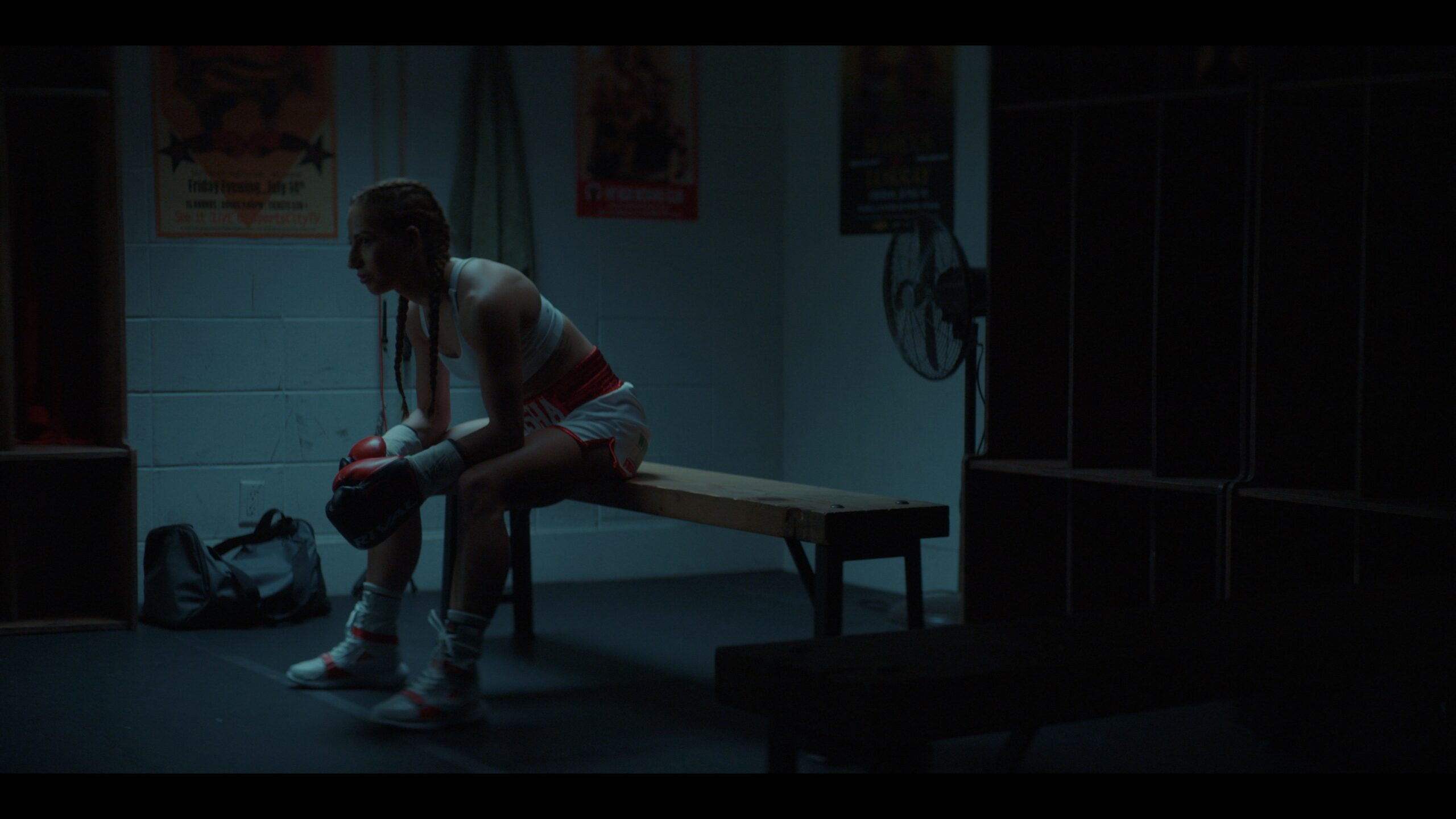
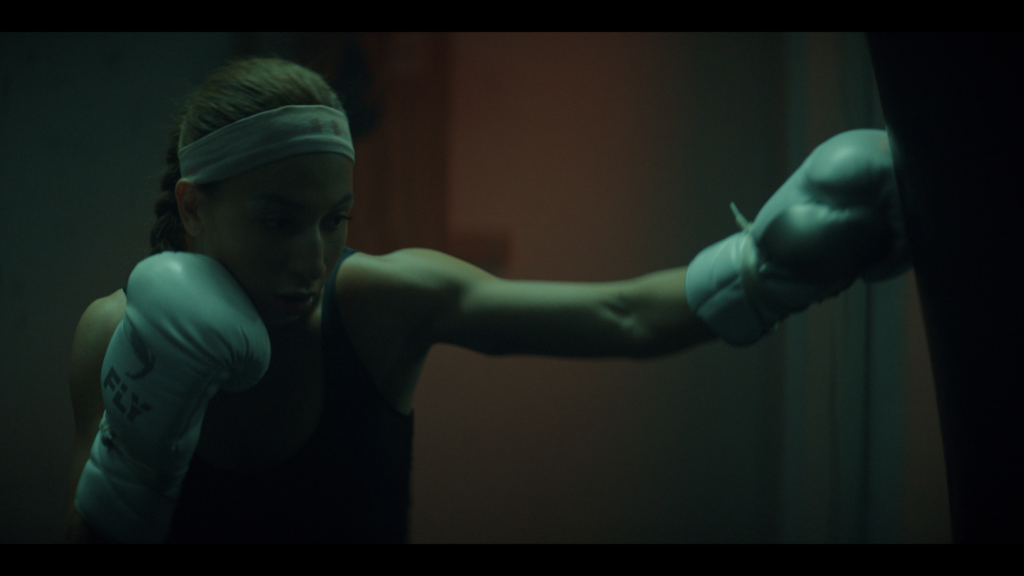
At the heart of Constant Battles is a story that moves far beyond the boxing ring. The film follows Nyousha Nakhjiri’s pursuit of becoming the first Iranian-born female boxer to compete at the Olympics. It traces a journey shaped by resilience, identity, and generational sacrifice.
Nyousha navigates the physical and mental demands of elite sport. She also confronts ADHD, anxiety, and the weight of her family’s past. The film unfolds into something more intimate. It becomes a portrait of a mother and daughter shaped by displacement, resistance, and an ongoing fight for agency.
In conversation with Asis Sethi, director Mack Stannard, co-producer Sina Nazarian, and writer Sepideh Yadegar discuss the layered storytelling behind Constant Battles. The documentary reveals how the most profound battles often happen far from the spotlight.
Constant Battles had its world premiere at the Hot Docs Canadian International Documentary Festival on April 25th.
INITIAL DRAW TO THE STORY
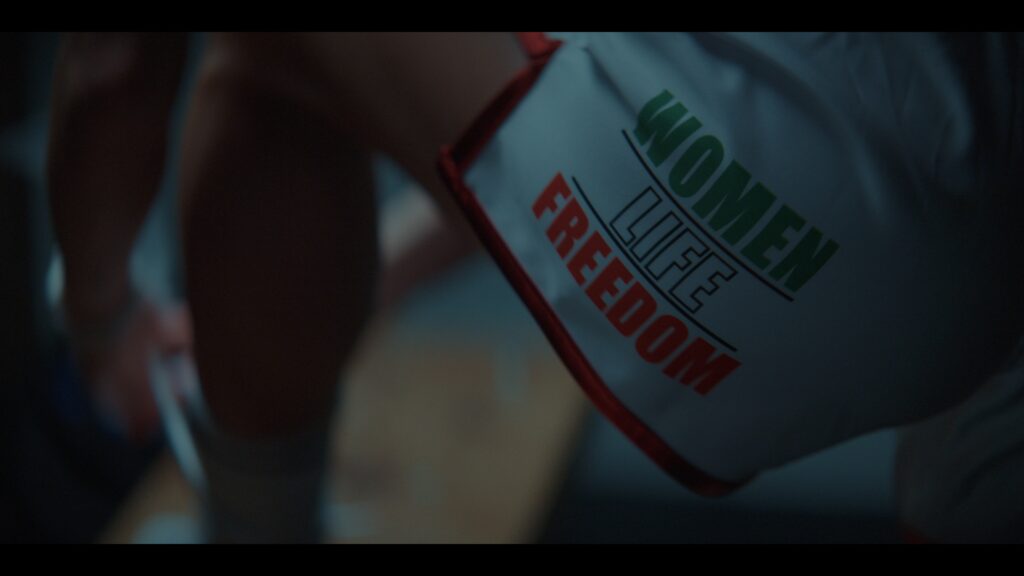
Mack Stannard: I was drawn to Nyousha and her mother’s story because it sat at this interesting intersection of so many topics I knew very little about, except that I felt called to understand. Nyousha and I connected because of her primary goal to reach the Olympics – we met during the first major “Women Life Freedom” protests in Vancouver back in 2023. As we got to know each other better and I learned more about her approach to boxing, I became fascinated by the mental preparation and internal battles she had to face to perform in the ring.
Sina Nazarian: When Mack Stannard approached me about producing Constant Battles, I was immediately drawn to the story. Nyousha’s journey, rooted in resilience, identity, and perseverance, felt both deeply personal and universally relatable. What really stood out was how Mack was approaching it: not just as a sports story, but something more layered and nuanced with exploring immigrant family dynamics, the Iranian political context, and the idea that the fight in the ring mirrors the battles we carry internally and in our lives.
Sepideh Yadegar: You don’t often see a feature documentary about a badass Iranian woman boxer who has ranked number one in Canada. As soon as Mack told me about Nyousha’s story, it was a no-brainer. I wanted to get involved and help bring this powerful story to life. Being an Iranian woman carries an enormous amount of weight and pressure. From society to government, outside forces are constantly trying to dictate your path, and Iranian women must fight relentlessly to claim and hold onto their agency in every sense of the word. Add to that the challenges of becoming an athlete in that environment. It’s not every day you come across someone like Nyousha, someone who would move mountains to achieve her goals.
BALANCING LIVED EXPERIENCE WITH RESPONSIBLE STORYTELLING
Mack Stannard: I was fortunate to be surrounded by Iranian storytellers on this project. Sina, Sepideh, Sepehr, Nina and others really helped shape those parts of the story and film. Through the creation of the film, we were always rethinking our approach. There’s a lot of content on the cutting room floor. There are a thousand ways to tell a story and even more to make a film, and we had to pick one.
Sina Nazarian: Having been born and raised in Iran, with parents who were politically active in the post-revolution era, I felt a strong personal connection to the themes in the film. There’s something familiar in the way many of us from immigrant backgrounds navigate identity, often distancing ourselves from our roots when we’re younger, then finding our way back to them later with a deeper understanding.
With Nyousha’s story, what mattered most was making sure her voice stayed at the center of the film. We were very conscious of creating a space that felt safe and respectful, both for her and for the process. At the same time, we wanted to approach the story with honesty, not simplifying it, but allowing the complexity of her experience to come through in a way that audiences could connect with.
Sepideh Yadegar: From the moment we began speaking with Nyousha, it was clear this film was much more than just a sports documentary. As an Iranian woman who has been away from home for over fifteen years with no hope of ever being allowed to return, I have a personal understanding of displacement. Nyousha and her family’s story is unique, yet at the same time painfully familiar to so many Iranians in the diaspora. We wanted everyone involved to feel safe throughout the process, which is why we made sure professional support was available to Nyousha whenever she needed it. With Mack, that conversation began months before we had even secured the funding.
CHALLENGES ALIGNING CREATIVE VISION WITH ETHICAL STORYTELLING
Mack Stannard: Nyousha’s family was very welcoming and let us into their home and lives. They were incredibly brave to share their stories. There were times that the balance was challenging because Nyousha truly was locked in and focused on boxing leading up to competitions and it was hard to get her to open up about anything other than boxing at times. It was challenging to weave together the three main themes of the film – at times it felt like we had three different films going on. It took a lot of work in the edit to blend them together into a cohesive story.
Sina Nazarian: There’s always a balance between shaping a compelling narrative and staying true to someone’s lived experience. With this film, that meant being especially mindful around moments of vulnerability, making sure we weren’t pushing the story in a way that felt intrusive or exploitative.
We had ongoing conversations as a team about what felt right to include, and just as importantly, what to leave out. That sense of restraint was important in maintaining trust with Nyousha and making sure the film stayed grounded in authenticity.
Sepideh Yadegar: Mack is a highly experienced filmmaker who has produced and directed a wide range of documentaries tackling important social issues. Having seen his work firsthand, I knew he was more than capable of doing an Iranian story justice. His collaborative nature created space for everyone to show up fully and do their best work, and his creative vision was always rooted in putting Nyousha’s needs first. Collaboration is something he holds close, and it shows in every frame of this film. I am so grateful that audiences will finally get to witness his vision, because this project was made with an abundance of love and care.
SHAPING THE FILM THROUGH INTIMATE MOMENTS
Mack Stannard: Nyousha’s mom, Ellehah, thanked me for helping to bring them closer together during the making of this film. I tried hard to create an environment where they could be vulnerable and have conversations they had never had before – even with half a dozen strangers standing around them.
APPROACHING TRAUMA AND RESILIENCE WITHOUT LOSING HUMANITY
Mack Stannard: It can be hard to tell a story where the hero doesn’t achieve their goal at the end. That’s why it took some time after we finished shooting to finish the project. I think Nyousha and I and the entire team needed some perspective from the story to see how it truly impacted Nyousha and could impact the audience, and cut it in a way that showed that.
NAVIGATING FUNDING, PRODUCTION, AND DISTRIBUTION CHALLENGES
Sina Nazarian: ‘Constant Battles’ began development in 2022 and moved into production in 2023–2024 with the support of TELUS Originals and Creative BC, followed by about a year in post-production.
One of the main challenges was coordinating production around Nyousha’s demanding training schedule and qualification tournaments leading up to the Pan American Games. From a creative standpoint, the edit was also a big part of the journey — finding the right balance between the personal, political, and athletic elements of the story took time to shape.
EXPANDING REPRESENTATION IN SPORT AND CINEMA
Sina Nazarian: Producers play a key role in protecting the integrity of the story while also making sure it connects with audiences in an honest and accessible way. When you’re working with real people and lived experiences, there’s a responsibility to approach that with care.
For this project, we were intentional about building a team that reflected the cultural context of the story, including strong representation from the Iranian diaspora. That helped create a sense of trust and understanding throughout the process.
At the same time, what’s special about this project is the collaboration between different perspectives. Mack, as a non-Iranian director, brought a real sense of curiosity and openness to the material, while Sepideh Yadegar, as an Iranian female filmmaker and co-writer/producer, brought an essential lived perspective that grounded the story. That dynamic allowed the film to feel both intimate and honest, while still being accessible to a wider audience.
Hopefully, the film contributes to a broader conversation by offering a more nuanced and human portrayal of identity, resilience, and what it means to navigate both sport and life across cultures.