We often get hit with something that changes the course of the way we view the world, and suddenly, a project becomes bigger than us. Award-winning cinematographer and filmmaker, Daniel Everitt-Lock, caught up with Armin KS to speak to her about his feature documentary, Our Planet, The People, My Blood, a nuclear weapons testing documentary. The documentary is a testament to what cinema is often meant to do – lead effective change. What started off as an initial idea borne out of watching a short film became bigger than the film itself, centred around Alan Owen, one of those affected by the nuclear testing. His cardiac arrest and survival are documented in this film, and Daniel Everitt-Lock’s journey in knowing Alan’s story and understanding the impact of it all, along with questioning the ethics of those in government, are the key takeaways from this film. The film had a private screening for UK Members of Parliament and has been acquired by Jambika Docs. Asis Sethi produces the film with Everitt-Lock.
The Initial Thought
Almost ten years ago, there was a short documentary called What a Nuclear Weapons Explosion Feels Like by Morgan Nibb. He worked at Vice at the time, and that film introduced me to these atomic veterans. What caught me was they talked about having to stand away from the explosion with their hands over their eyes, with their eyes closed, and the flash being so bright that they could see all the bones and tendons and bloodlines of their hands, with their eyes shut. And that kind of stuck with me as, like, this crazy thing that I just really never heard about. I didn’t know it was a thing, all this kind of nuclear testing that happened, and then I sort of started talking with friends and family about this. I realized that they didn’t know anything about it either, in terms of the details.
Getting Started & Shaping the Narratives: Alan Owen
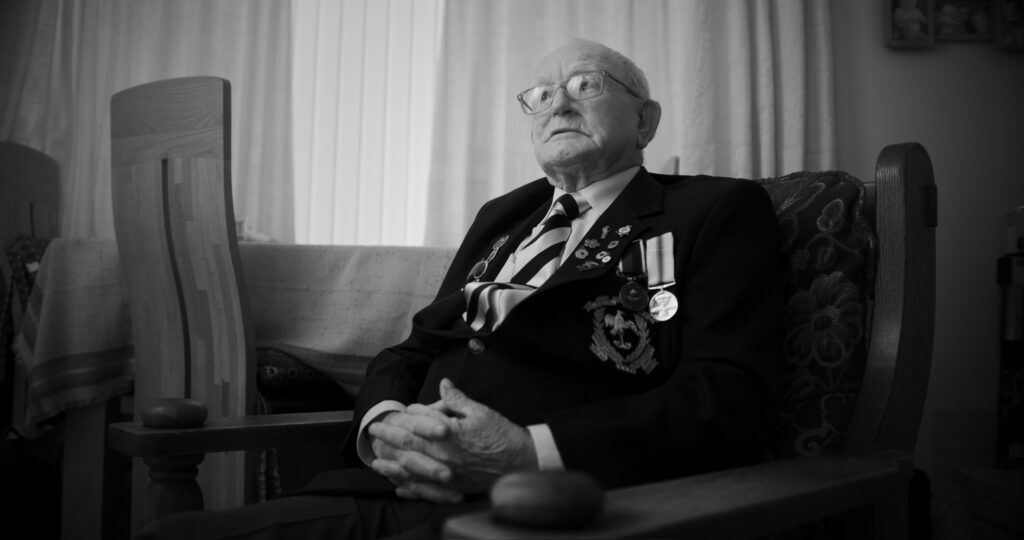
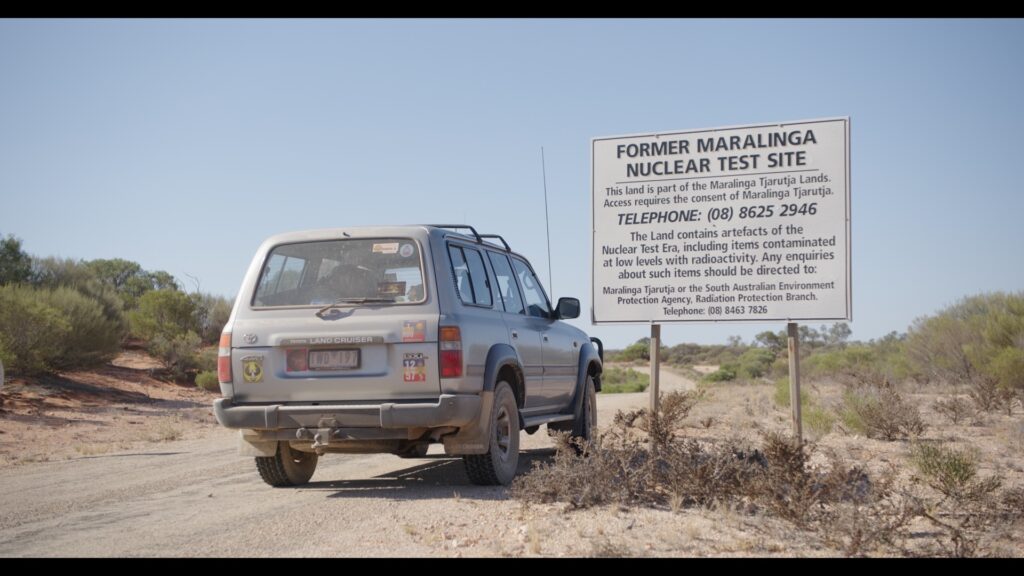
When we had the right level of experience, I wanted to approach this subject matter to deal with the atomic veterans themselves. This was about the guys who had experienced the bomb, and because, really, those are all the people that we really knew about. When we first started filming, we met with 5 atomic veterans and a guy called Alan Owen. He who became our main subject of the documentary. He was the son of an atomic veteran. He ran an organization called Labrats, and he introduced me to all of these other global communities that were affected by nuclear weapons testing. The whole idea is we want to tell a full story. So we thought, okay, why don’t we approach this from a global perspective? So the scope of the film changed.
We met Alan, and it became something entirely different because of his pre-interview. He initially did not really push anything beyond what we’d asked him, but then in the interview with him, he went well above and beyond. So you do go in with a specific plan; this one, particularly, changed a bit. We had some flex inherently built in because it changed a bit every time we met someone new. It is a very malleable concept as well; ultimately, we wanted to show this global injustice.
From the Start to Now
We travelled 5 countries, travelled over 150,000 kilometres at that time in two years…from the start to the end of principal photography. Then, we had another year in post, a nightmare year in post, six months to a year now, of promoting and pushing the film. When we set out with this project, we certainly did not think it would take three and a half to four years. I assumed it would take about two years to get it fully out there. That was kind of the hope, and we were hoping to get out ahead of the 80th anniversary of Hiroshima and Nagasaki – that was the plan.
At the Editing Desk
When asked about whether the editing part of it all was daunting, given the volume of footage, the narrative really came down to that first meeting with Alan. We had the narrative structure, but within the documentary world, you do your research and write the script. We did spend about six months on the script beforehand. We were pulling all this research together on the atomic Veterans, in tandem with the script and what we wanted. We kind of do pre-interviews with people, and then we get a sense of what they’re going to say. We can get a lot out of these people, is what we felt. So it helped us build the script structure.
My nightmare before was the idea of editing a feature-length documentary, which is not my thing. Unfortunately, the editor we had on board for this, things did not work out, and so it left us in a position where there were only two people who knew this footage well, and I was the only one left. There were also financial constraints; we had to keep the budget in mind. It was very difficult. It went through about sixteen different iterations to be able to get to what we got to.
The Challenge of Telling the Story
It is a very complicated story with a lot of knowledge that needs to be provided to your audience. You have to be very careful and subtly provide this information without bombarding them, and then structure the emotionality of it all. While the documentary is technically around a singular story, we are still giving the global perspective. The challenge is also getting them to connect to the story on a human level. It’s a thirty-thousand-foot scale, a grand scale, which you still have to bring down to the human level.
Connecting with the storytellers
Does a story like this ruffle feathers, with the vulnerability it requires and the impact it is meant to have? I think everyone we dealt with while shooting the film had no problem. How we approached this was very carefully. We did not connect with anybody directly. We were very aware of all the PTSD issues and all these huge problems that surrounded this, so we always made sure that we went through somebody else. So if we knew we needed to get to person A, we’d find person B who knows person A and have them introduce person A. We knew we had warm leads, going into every single interview, and we knew that they wanted to tell their story. Someone like Alan is amazing.
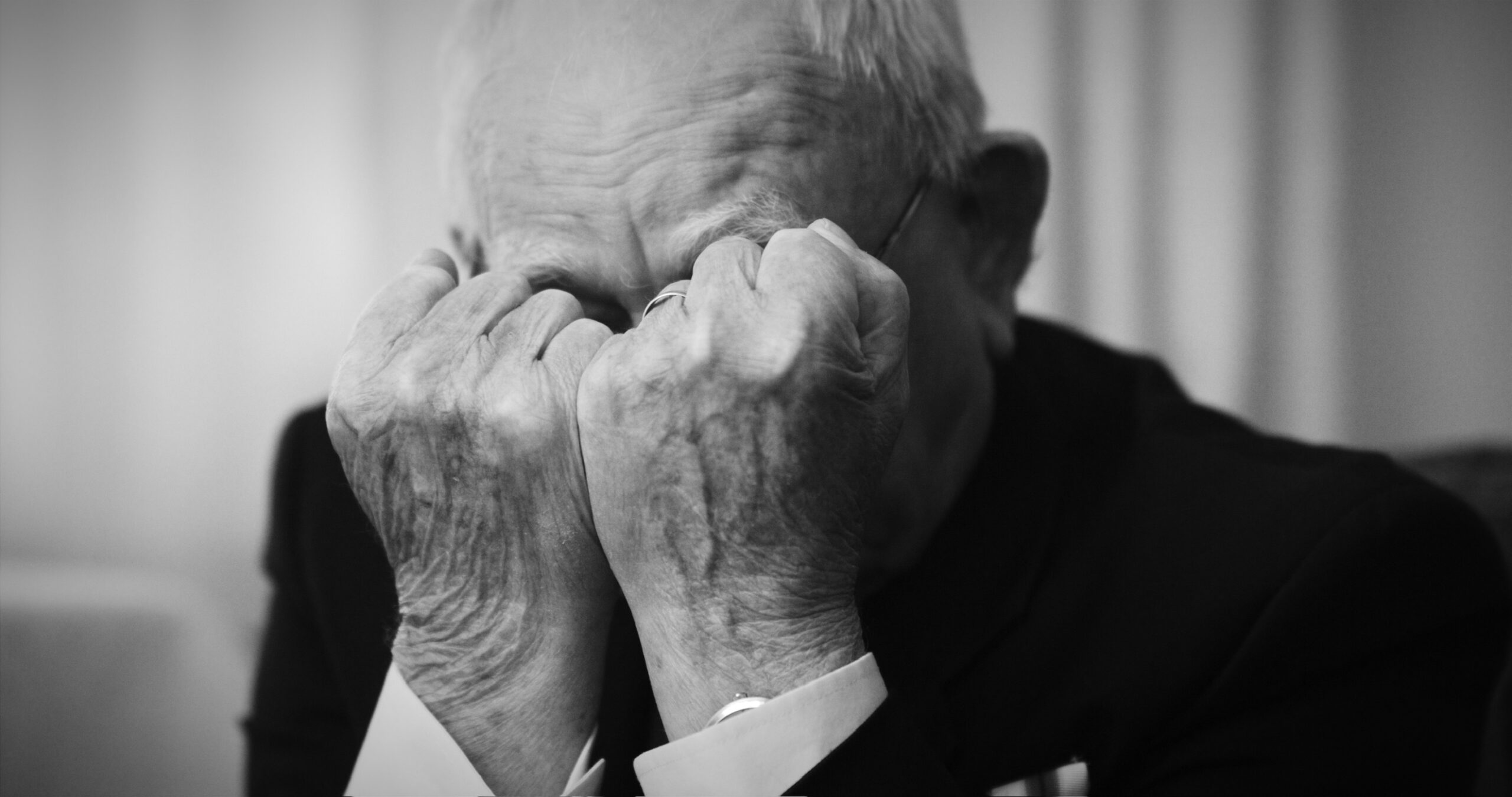
With Alan, getting the vulnerability out of him is not easy. He is super willing to tell the story, but vulnerability is so important. To get him to be emotionally vulnerable and to open up was hard because that is not who he is. To do that took a lot of time, trust, and work. We had to find the emotional kind of points that he was willing to share, not taking advantage of the situation, but giving him the space to be emotional and not feel as though he was going to be judged.
Other people involved, though, were completely willing to really rattle some cages and shock some people and give people a real wake-up call. They were very open to being vulnerable because they want their stories to be told, and they have told these stories for the last seventy to eighty years.
The Impact: On Daniel and Others
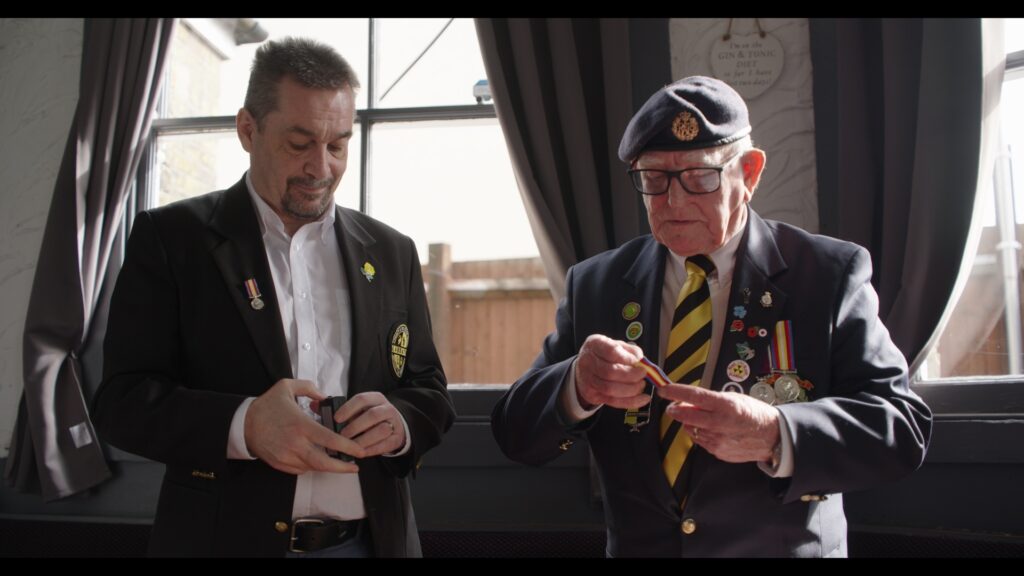
Let’s put it this way: I didn’t start this campaigning for these guys, but I am now. I started wanting to make a documentary that I thought was going to be a really good film. Ultimately, it’s turned into the fact that I’m doing everything I can to try and get attention to this issue for these guys at…at times at a huge detriment to myself, but it’s worth it, and it is making the impact we’ve been trying for. We got sponsored to be at the Parliament in the UK back in January. We got some cross-party support from the Conservatives, Labour, Green Party, and the Liberal Democrats.
Reparations
We have finally gotten to a point where things are ready for change and ready for apologies to be made by the UK government. Our work on that has been something I’m more proud of than the film itself. You know, I’m a filmmaker through and through; that is what I do. I just want to make something good, but this went a little bit beyond that and became something I built.
Ultimately, the theme of the film is injustice. I still think the most insane part is that these governments that were testing knew what they were doing. They knew what it was going to do. That way of thinking just boggles my mind, honestly, and I think that through doing this documentary, I’ve learned very much that, like, injustice is something that really riles me up.
I hope people see the larger picture, which is that we as people within the society should have far more influence on what policies and what politicians and what governments are doing compared to the way it is now.
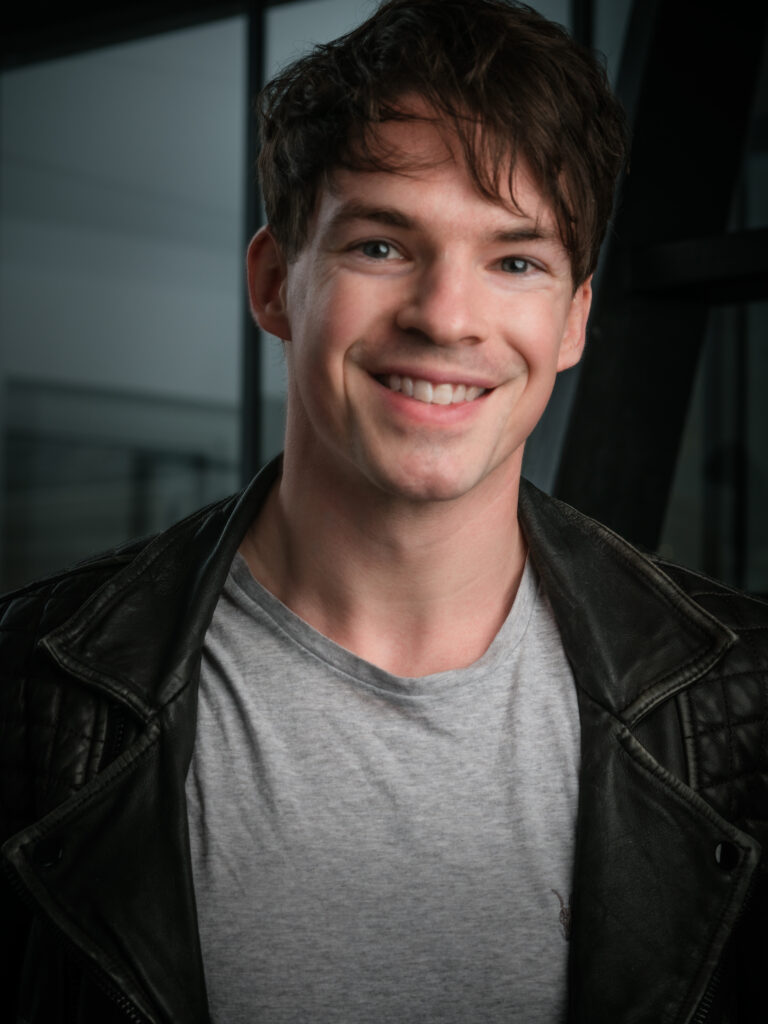
Photo Credits: Daniel Everitt-Lock.