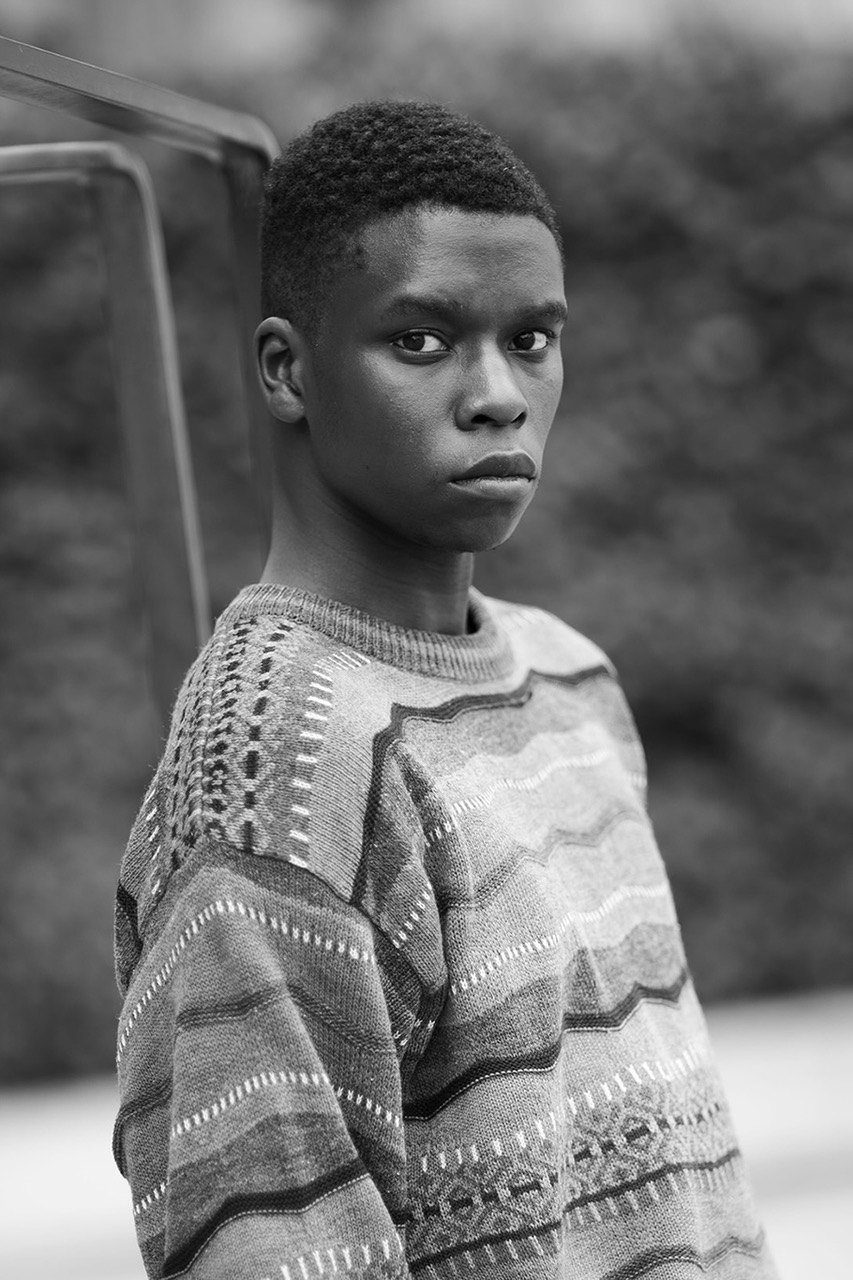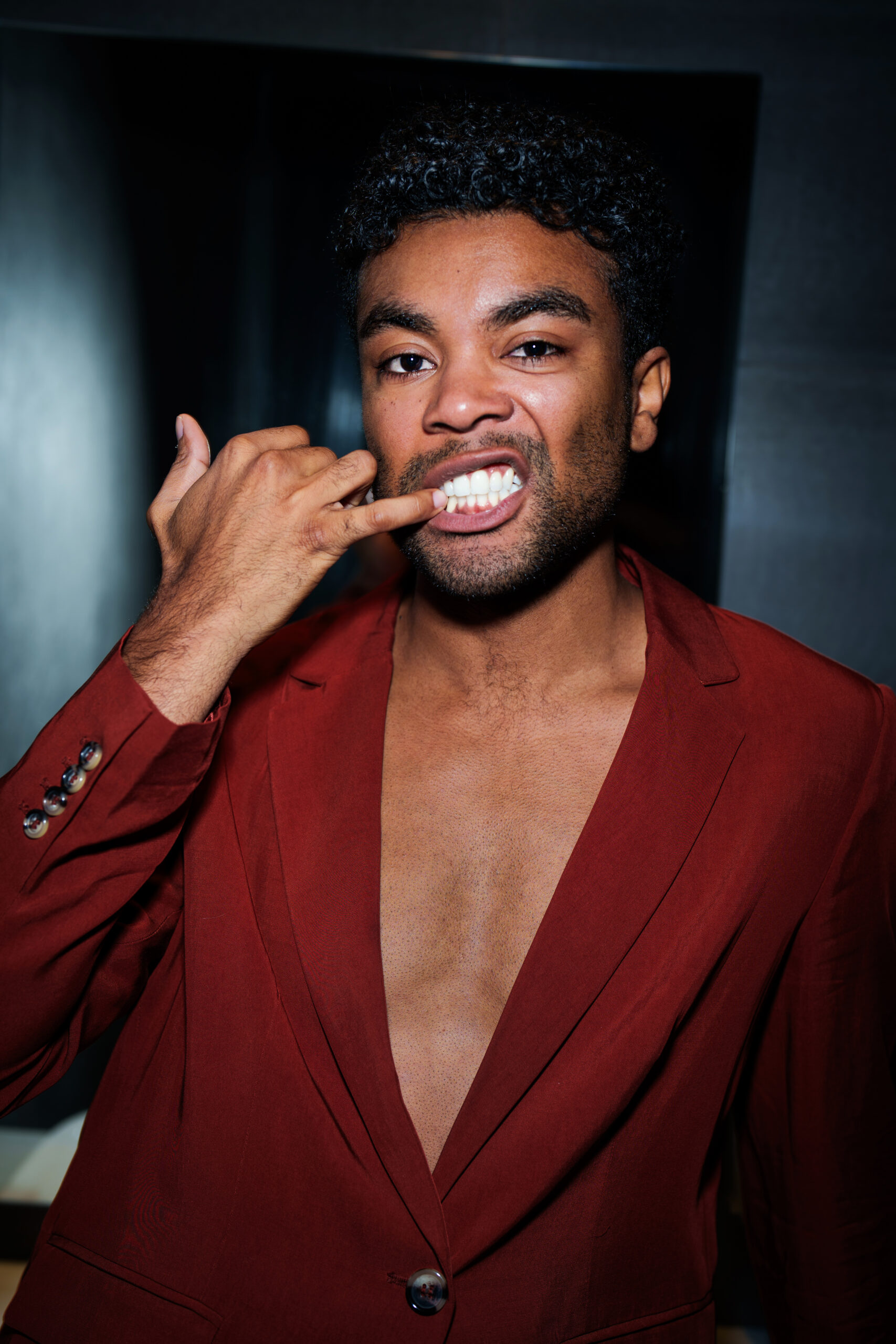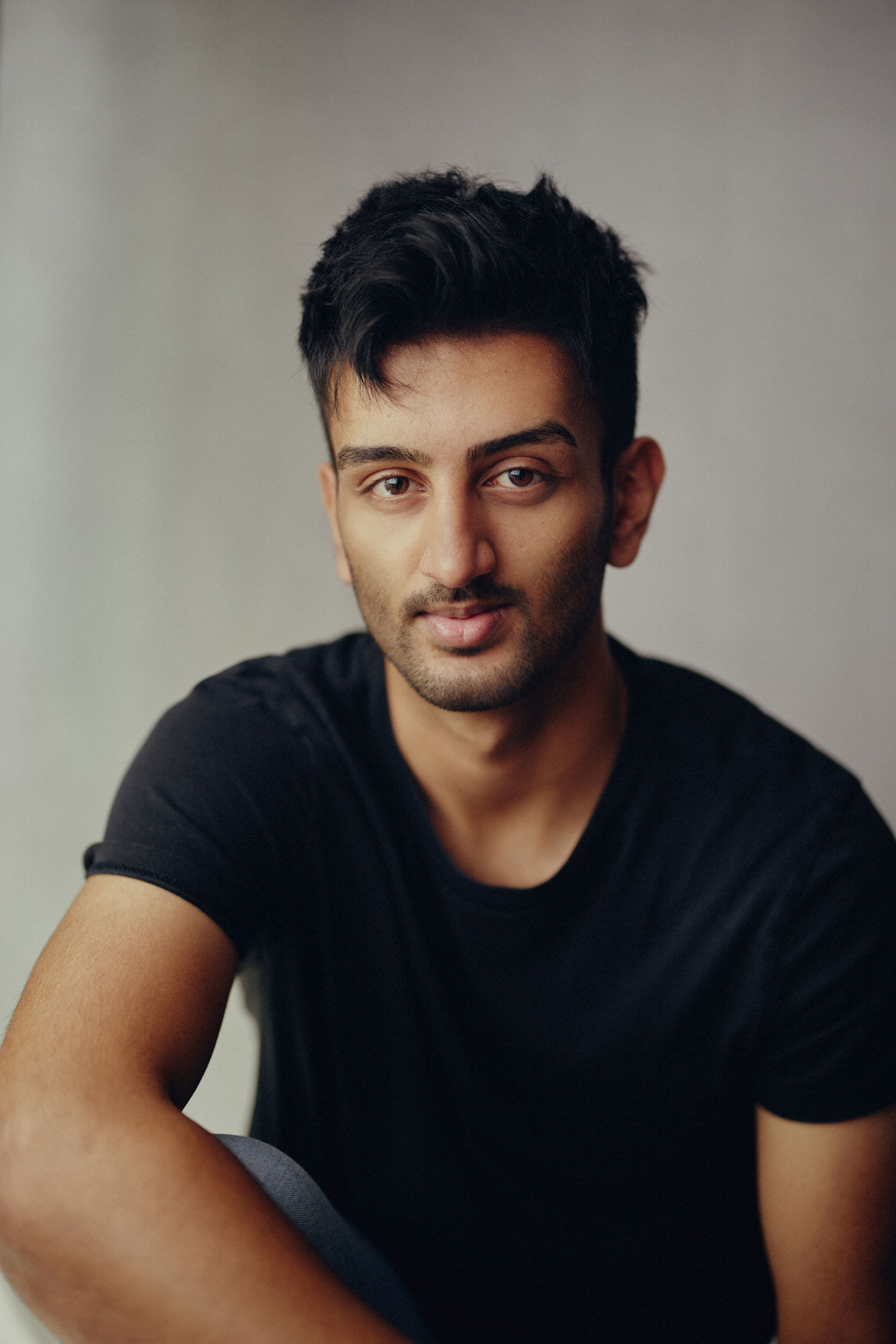
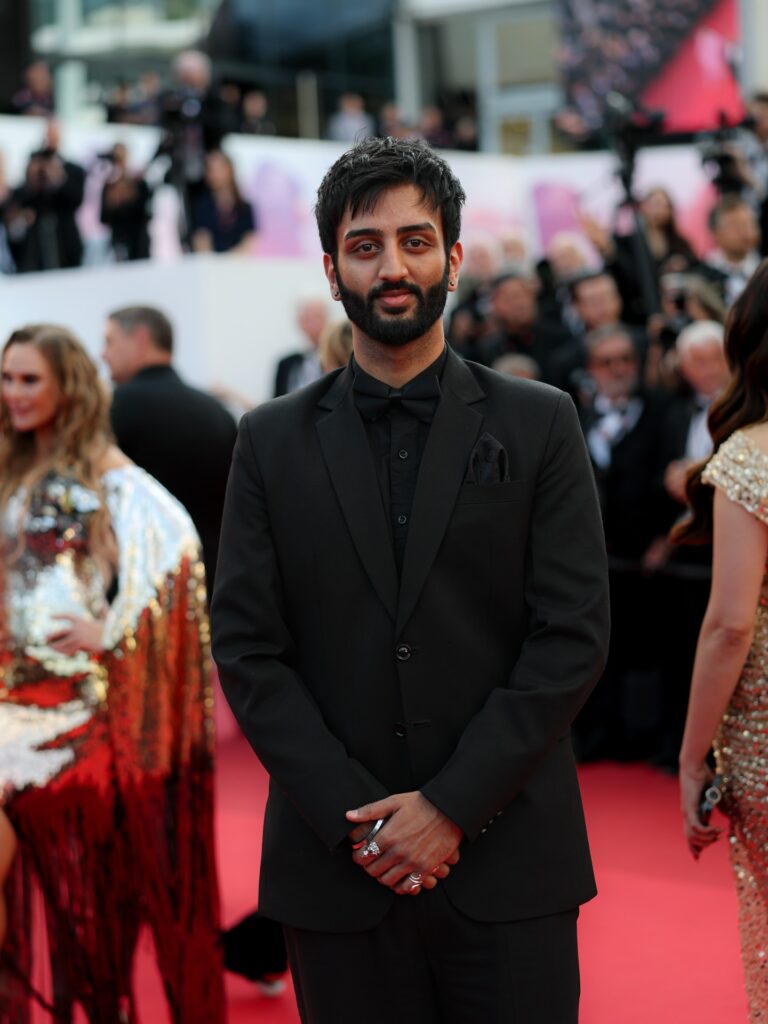
Digital creator and onscreen personality, Yuvi Randhawa, has built a dynamic presence across YouTube, Instagram, and TikTok, evolving from slice-of-life vlogs to sharp movie reviews, POV-driven performances, and red carpet interviews with global stars such as Tom Cruise. As one of the most prominent South Asian influencers in Canada, he has carved out a unique space that blends performance, storytelling, and entertainment journalism.
Having started acting at a young age, Randhawa has steadily shaped a style of content that showcases his range, from character-driven POV videos to high-profile celebrity interviews at major premieres around the world. As his platform continues to grow, so does his ambition, with a clear focus on transitioning into film and television, including his goal of booking a feature film on his path toward the Oscars.
In an exclusive conversation with Shwayta Sharma, Yuvi speaks about his journey from creating content online to pursuing acting, the evolution of his signature storytelling style, and how he is building a career that bridges digital media and the film industry.
You’ve explored a wide range of content, from vlogs and film reviews to performance-based videos and international red carpet coverage and with consistency, you have grown to become a known face in the world of social media. Looking back, how did your journey begin, and when did you first realize that acting was the path you wanted to pursue?
That means a lot, the kind words and the fact that you’ve been following what I’ve been doing is really cool.
I think my love for acting started when I was a kid. It was always something I enjoyed about being an entertainer. I liked performing in front of my parents and family. It was just fun to play characters, mimic movie scenes, and do all of that. I don’t know exactly when it started, but it was always something I loved doing.
In high school, I realized I really liked acting, but I didn’t know how to turn it into a career. My parents were supportive, but as immigrant parents, we didn’t really know what the pathway looked like. Growing up in a suburban town, there wasn’t much guidance on where to go or what to do.
I started looking into acting classes and would go to Toronto in the summer to take on-camera acting classes. That’s where I learned how to act for camera. I also met people who understood the industry. They talked about having agents, and I didn’t even know what that meant at the time. Then I learned that an agent helps you get auditions, and I started figuring things out step by step.
At the same time, I was still focused on school. I worked hard academically, influenced by my older sister, who is a lawyer and took school very seriously. I followed that path and valued doing well in school.
When I graduated high school, I considered going to film school, but I decided to finish my education first. I wanted to fully close that chapter and not leave that potential unexplored.
Especially with immigrant children, this becomes even more important. There is a pressure to complete education before you pursue your dreams.
I think that was definitely rooted in me, the idea of getting a degree. It was also personal. I am a very competitive person, and I grew up playing sports. That was my life. I loved it. So it felt strange not to finish the academic journey.
During school, I was still writing a lot. I started screenwriting when COVID hit in 2020, during my second year of undergrad. I was also posting content at the same time, but I used that period to really focus on learning how to write. I took screenwriting classes, started making short films, and made my first short film in 2020. I also got my first agent that year. Even though I was in school, I was taking these small steps because I had the time to do it.
By the time I graduated, I had taken several classes and made a couple of short films. That’s when I felt ready to fully commit. I could finally give it my full attention instead of only working on it late at night. I got a new agent and started auditioning more seriously.
I booked my first bigger role on a TV show called Ruby and the Well. I was in an episode and spent a few days on set. That came about two months after working as a PA on Jersey Boy, so it felt like things were starting to move.
Since then, it has been a mix of auditioning, writing, and creating my own work. I enjoy writing a lot, and I am also quite impatient, so I do not like waiting around for auditions. I have always loved storytelling, even as a kid. Whenever we had short story assignments in school, I would put a lot of effort into making them creative. That has stayed with me, and it is why I continue to write and develop my own films and shows.
Your POV-style videos stood out early on as something unique. You were playing multiple characters, using voiceovers, and building high-stakes scenarios in a short format. How did you first develop this style, and did it evolve into your signature approach over time. Or was it something you discovered through experimenting with different kinds of content?
Social media has been an interesting journey. I’ve been doing it since around 2015 or 2016, so almost 10 or 11 years now. It started as a way for me to explore acting and filmmaking when I didn’t really know what to do. I just picked up a camera and started making things.
My first video was me drawing Leonardo DiCaprio on YouTube. I also loved drawing as a kid. Then I made a video solving a Rubik’s Cube, then one doing magic tricks, then soccer videos. It was all random. I never wanted to stick to one niche because I enjoyed so many different things, so I just posted everything.
I went through a phase on YouTube where I was doing sketches, but I never felt like I had a defined style the way I do now. That really started to take shape over the past two years. I had an account on TikTok that grew through TV and movie reviews, and that side was doing well from a business perspective with brand deals. At the same time, I still wanted to showcase my acting and writing, especially after graduating.
So I created a second page where I could focus on performance-based content. It was like taking what I used to do on YouTube and adapting it into vertical, short-form videos. The style people see now built up over time.
At first, I would set up a camera in one place and play a single character, like a cashier or airport security worker. Then I started adding off-screen dialogue for the other character. After a while, I thought, what if I play both characters? So I started doing that with a stationary camera.
Then I wanted to push it further. I moved out of my house and started filming in real locations. I added camera movement and began thinking more like a director, planning how scenes would play out. From there, it evolved into playing multiple characters within the same story.
Now it has grown into connected, multi-part videos. I’ve done series like a basketball storyline with multiple characters, and a zombie apocalypse set in a school that runs across several parts. They have become mini productions that I create myself.
It all started with one character, and it evolved because I like to keep things fresh. If I get bored, I want to try something new. I am always asking what’s next and how I can make it more fun for myself. I think when I enjoy what I’m making, people can feel that too.
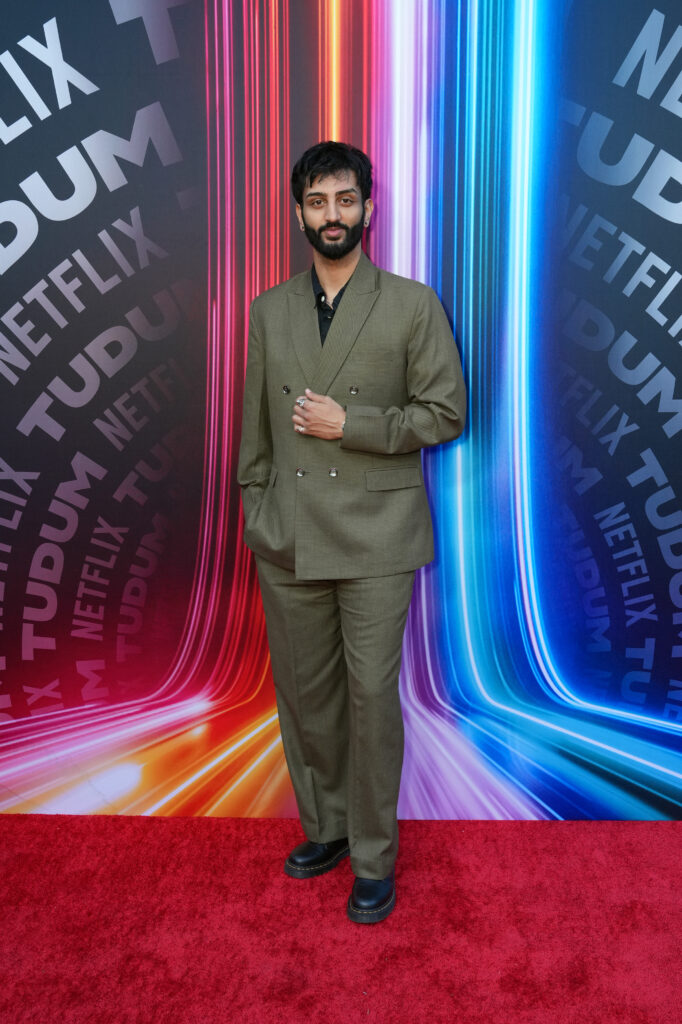
I love the way you incorporate Easter eggs across your videos, where characters and storylines connect in subtle ways. It really rewards viewers who are paying close attention and makes the content more engaging, especially at a time when it is so difficult to hold audience attention online. At the same time, social media often prioritizes consistency and volume, but your work involves detailed writing and fully developed narratives that feel more like mini series than standalone clips. How do you balance the demand for consistent output with the level of depth and storytelling you bring to your content?
By not sleeping. No, that’s a joke. I actually sleep a decent amount now. I get my eight hours and really value it.
I think it comes from how I started. I was writing longer-form work like short films and breaking down TV episodes. So when I moved into short-form content, it felt easier. If I can structure a 30-page pilot, I can structure a one-minute video and hit the beats I want.
A big part of it is practice. I have made a huge number of videos. When I started growing on TikTok, I went 172 days straight posting a new sketch or story every single day. That period really sharpened my skills. I learned how to edit faster, what works and what does not, and how to write more efficiently. That consistency built the foundation for how I work now.
In terms of ideas, my brain is always on. If something comes to me while I am out, I’ll pull out my phone and write it down. I keep notes for the larger series I am working on, so when I sit down to write, a lot of the thinking is already done. I am just selecting and shaping ideas. That makes the process much easier than starting from scratch every time.
It can still be challenging to keep up. You are filming in different locations, coordinating with people, and dealing with things like weather or schedules changing. You have to constantly adjust. But that is part of filmmaking and part of social media. It has taught me how to adapt, manage my time, and keep moving forward.
You’re working across so many different lanes right now as a creator, actor, writer, and director. In this current phase of your career, was it a conscious decision to use your platform to showcase your range and create opportunities for yourself, or did that evolve more organically over time? What was your mindset when you realized you could build something from this?
That’s a good question. It was never a conscious thought. I was never trying to make it on social media. I just liked acting and making things. I enjoyed entertaining, so I would create content because I had the time and wanted to practice. I was auditioning, and in between that, I would play different characters online and experiment.
It kind of grew naturally from that. Some videos started to do well, and then I doubled down. I had free time between auditions, and since auditions are not constant, I used that time to create more.
I was never thinking that I would build a platform so I can become an actor. I was already pursuing acting while doing social media at the same time. But as my platform grew, I started to understand its value. It became a way to show that there is an audience for the kind of stories I want to tell.
It is similar to when a book does well and then gets adapted. There is already proof that people connect with that story. Being a creator allows me to show that people enjoy what I write and perform, and that can support future projects in film or television.
But that was never the intention at the beginning. If I had started with that mindset, I probably would have quit. It took me about eight years to really grow, so the only reason I kept going was because I genuinely enjoyed making videos.
In an industry where access can be limited, especially for South Asian talent, you’ve created your own opportunities through your work online. How important has that been to your journey, and how do you think your path might have been different if you had not taken that approach?
That’s definitely interesting, and I think about it often. Growing up, I watched Bollywood films and Hollywood films, and you do not really see many South Asians on screen. As a kid, you do not always notice that absence. You just think that is what Hollywood is. Then you start seeing a few people break through, and you realize there is a way to exist in both spaces.
I remember watching Monkey Man in theatres, and I cried multiple times. It was not just the story, but the feeling of seeing a South Asian cast and a film that centered brown voices while reaching a wider audience. That meant a lot to me.
Even now, when I go to events or industry spaces, there is still a lack of South Asian representation. It often feels like there are only a handful of us in those rooms. That is why creating your own work is so important.
There are more projects now that are putting South Asians on the map, especially in television, and that is encouraging. But the people who really create change are the ones writing and developing those stories. It is difficult to tell an authentic first, second, or third generation experience without those voices being involved.
At the same time, it does not always have to be about the South Asian experience. I would love to see a sci-fi or thriller with a South Asian cast where their identity is not the central focus. Just seeing that representation exist naturally would be exciting.
I think that only happens when more South Asian writers, creators, and filmmakers are able to tell those stories. If I can be a part of that in any way, that would mean a lot. For now, I am just continuing to make things and hoping it all leads somewhere meaningful.
You grew up looking up to certain role models, and now you are in a position where younger audiences are looking up to you. In an industry that is still not always easy to navigate, how do you view that responsibility, and what does it mean to you to be someone others can look to for inspiration?
I don’t really think about it that way. I am just focused on doing what I enjoy. I don’t always realize what kind of impact it might have or how it is being received.
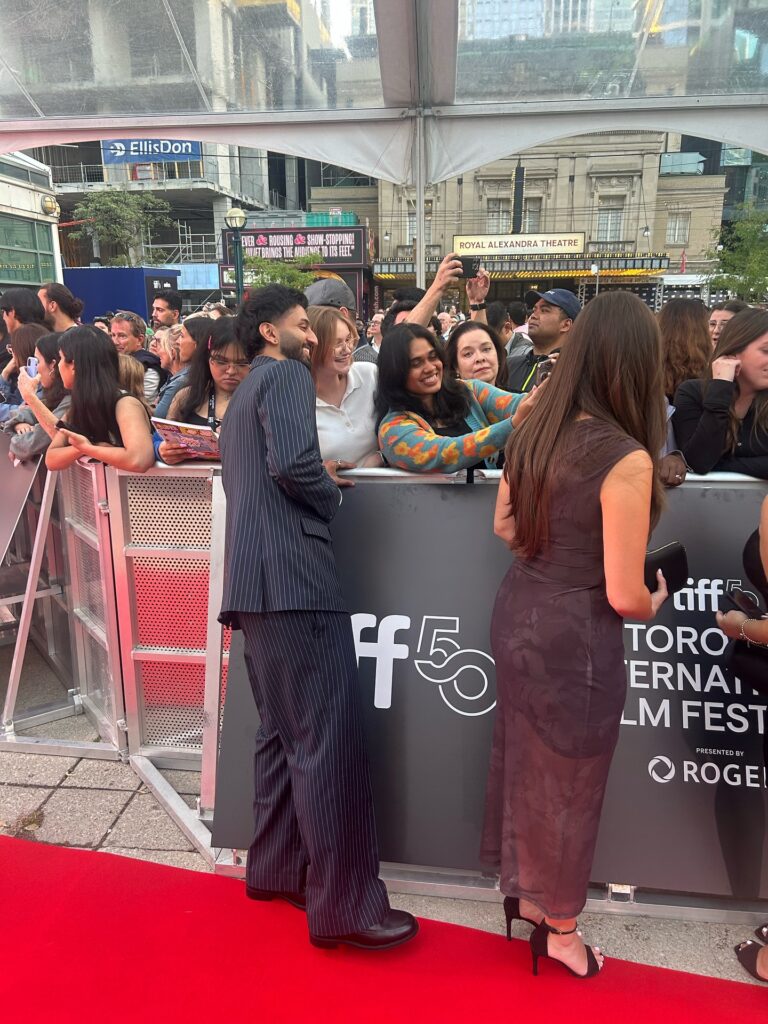
But it is nice to hear that perspective and to know that it could mean something to others.
I want to end on something a bit more fun. Do you remember the first moment when a video really took off for you, or a point where you realized something had shifted in your career? Whether it was a viral moment online or an in-person experience, when did it first hit you that your work was reaching people in a bigger way?
Online has always felt a bit abstract to me. I have had videos on my reviews page that did really well over time, but it always just felt like numbers. I never had a moment where I stopped and thought, this is really happening.
The shift came when my character-based videos started blowing up. My reviews page had already reached 500,000 to 800,000 followers, but I was not really being recognized in public because the focus was more on the content itself.
With the sketches, it was different because I was the face of it. I remember having around 200,000 to 300,000 followers on TikTok and thinking it would feel the same as before. But it did not.
I went to a TV premiere event, and people started coming up to me, saying they liked my work and asking for photos. That caught me off guard. I do not go out much since I am usually working, so experiencing that in person for the first time was surprising.
Now it happens more often. Sometimes people will come up to me or send messages saying they enjoy the videos or feel inspired by them. That is still mind-blowing to me. I am just doing my thing, so those moments feel surreal.
Coming back to your acting ambitions, what does your dream role look like at this point in your career?
Hmm…I do not think I have one specific dream role. I just love playing unique characters.
What excites me more is building a body of work where I get to explore a wide range of characters across different genres. That is what I would love to do.
I love film and television, and for me, it is about getting the chance to step into as many distinct and interesting roles as possible.