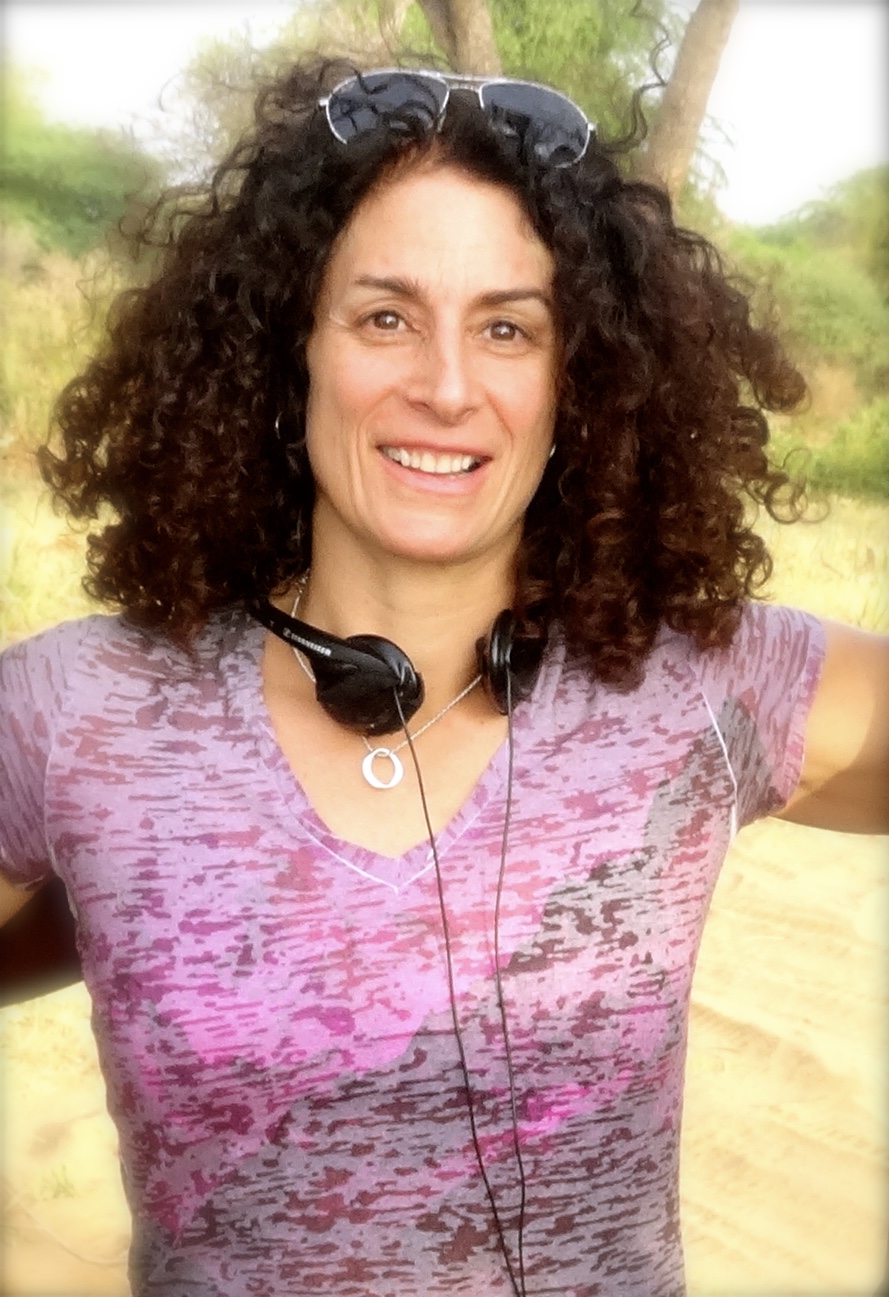
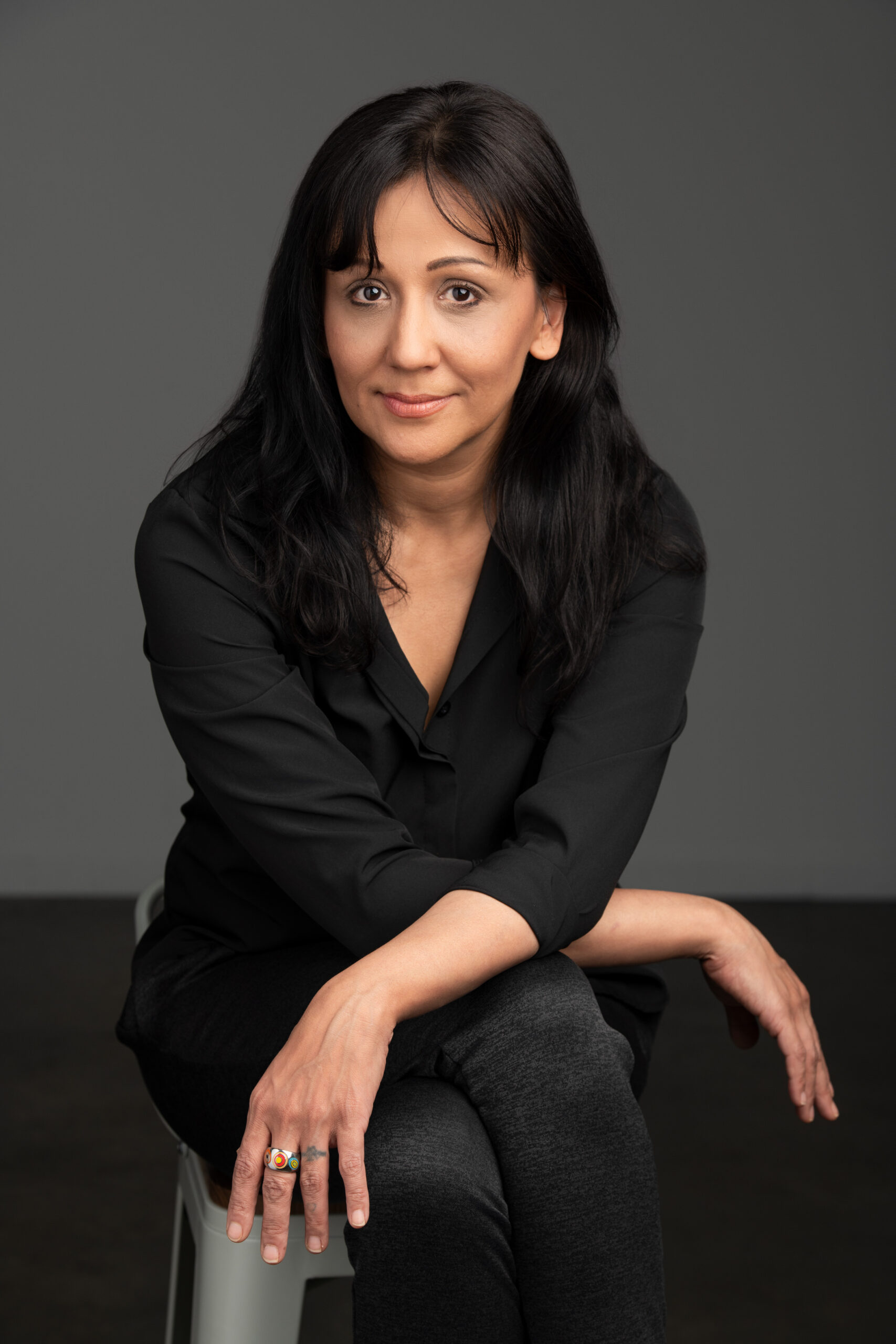
With LUCID, co-directors Deanna Milligan and Ramsey Fendall have crafted a striking debut feature that transforms artistic burnout into a surreal and deeply personal psychological horror experience. Shot in Victoria, B.C., and blending 35mm film, Super 8, and DIY punk aesthetics, the film follows a struggling art student whose search for creative inspiration unleashes the darkest corners of her subconscious. Ahead of the film’s Canadian theatrical expansion, Asis Sethi chats with Milligan and Fendall about turning creative anxiety into genre cinema, embracing imperfection, building a cult following around the film, and why independent Canadian horror is entering an exciting new chapter.
1. The film turns creative block into literal psychological horror. What drew you to framing the artistic process through genre filmmaking? Do you see LUCID as a film about artistic ambition, mental collapse, or both?
We are very drawn to genre filmmaking for the very reason that we can explore the crossover between artistic ambition and its toll on mental health in a surreal space – genre allows for both/and without being a kitchen sink treatment of an artist’s mental health. Art is liberating in the sense that it can lift you from one state to another, but the very act of liberation is fuelled by pain as the raw material. Ultimately, there is no magic candy that can get you there! It’s in the friction where the transformation happens. Mia’s journey isn’t a clean escape from her pain; it’s a reckoning with it. The monsters, the dreams, the creative chaos, they’re not vanquished. They become part of her. In that sense, art isn’t the cure for trauma but the space where it can finally transform. It’s alchemy. Mia learns that lucidity doesn’t mean control; it means acceptance. By embracing the darkness inside her, she finds the freedom to create without fear. Art can be both a mirror or a cage, but in LUCID, it’s ultimately a door. Once Mia steps through the door, she’s no longer trapped by her trauma. She’s in dialogue with it. That’s the liberation the film reaches for.
2. How much of Mia’s experience came from your own relationship with creativity and burnout?
Making LUCID was very personal for us. The struggle with critical voices, with self-doubt and burnout – all this is very real. We were living through many of the same challenges as Mia while we were filming. Indie filmmaking isn’t for the faint of heart. We were always pivoting and facing challenges, but pushing through. We had to dig deep into our own shadows to tell this story, and that vulnerability is both scary and rewarding. There are definitely pieces from both of our lives woven into the film. Before we started filming, we made a pact that we’d give it everything we had, no holding back. That trust and support between us allowed us to be really brave, because we had each other’s backs. So this courage made us feel really empowered to take creative risks, and through that, I feel like I discovered our art house punk style, which is the visual language of the film.
3. Why was it important to shoot LUCID on 35mm and Super 8 instead of digitally? Did the texture of film stock help shape the dream logic of the movie?
The choice of shooting on film was deliberate. We shot Mia’s childhood in the 1970s all on 35mm, and in the 90s we shot more as a collage of formats: 35mm, 16mm, Super 8 and Hi8 video. And we did shoot some digital due to budgetary restrictions. But imperfection of film was a vital part of the imagery of Mia’s world. The grunge texture, the film grain, and the tactile “dirtiness” all reflect her obsession with the beautiful grotesque. We are showing all the edges. The 90s were a decade that celebrated contradiction. Artists like Vivienne Westwood turned rebellion into couture, and that spirit is woven through Mia’s journey. Her world is stitched together in a punk, DIY reflection of her inner chaos. We played with film and video like a collage. On one hand, the dreams reflect Mia’s fractured perception, the way her sense of self collapses and recomposes as she moves between waking life and dream. The home video footage becomes a kind of emotional archaeology of an artist trying to capture and replay her own memories. We used Hi8 and Super 8 cameras on set, and the actors actually filmed with them, so the images carry an authenticity that’s impossible to fake.
4. Ramsey, as cinematographer and co-director, how did you balance visual experimentation with emotional storytelling?
For Deanna and me, our way into filming scenes often starts quite experimentally. In preproduction, we gather images we like from the world, we go on drives and draw inspiration from locations that resonate with us, as well as still photos and other films. We experiment and think about how we can make images feel more layered or abstract. But when we actually get into filming an actor or scene, the core emotions of the scene are absolutely essential – something can’t be beautiful or striking for its own sake, but it has to resonate with the heart of the movie. This way, the influence of the experimentation remains, but the real centre of gravity is emotional storytelling.
5. The film feels handmade and tactile in a really refreshing way. Was resisting polished studio aesthetics part of the goal?
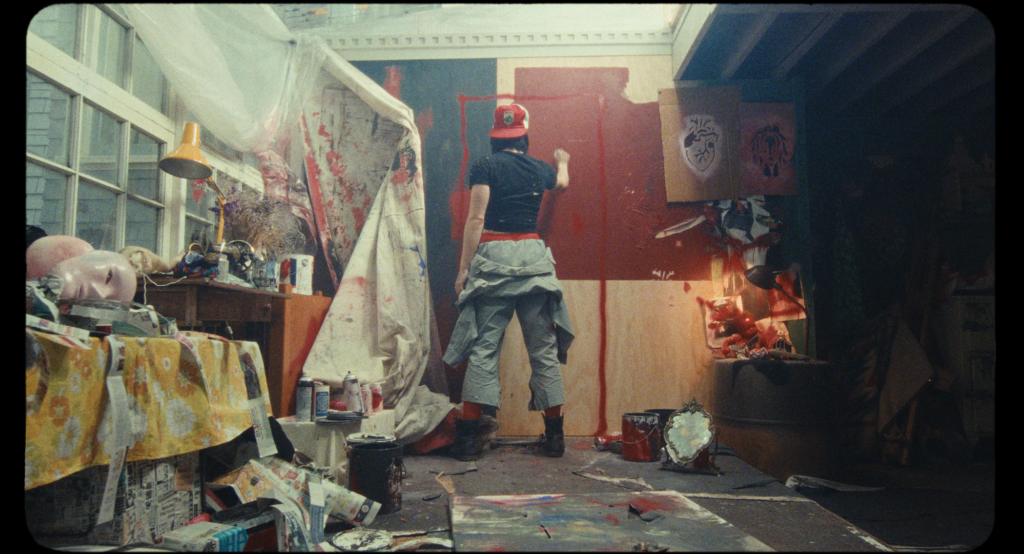
We absolutely knew going into this film that everything had to have a very handmade feel. There could be no big-budget version of LUCID! We wanted to see and feel the seams and edges of everything. The film had to have a quality so that it could feel like Mia had made it. The monsters had to feel like they had crawled up from the art room floor. This was essential to our visual approach. We had to take off the polish and make sure we retained the imperfections of what we were making.
6. How did co-directing look practically on set? Were there disagreements that ultimately improved the film?
Practically speaking, we have a guideline for co-directing that Ramsey is the eyes and Deanna is the heart. Of course, we chime in on everything we do together and check on the decisions we each make, but for the sake of efficiency, we’ve found this works. Surprisingly, we very rarely disagree, and if we have a difference of opinion about how to film something, we’ll sometimes do it two different ways so we have options in the edit.
7. The release strategy emphasizes Q&As, costumes, monsters, merch, and live events. Was building a cult experience around screenings always part of the plan?
Why was the theatrical exhibition important for LUCID? We had a feeling early on that there was a kind of cult vibe to this film. Making the film was a kind of community art project, so we felt this could translate into the theatrical experience. When we premiered at Fantasia in 2025, Caitlin donned a Mia outfit and painted portraits of people waiting in line for screenings, and Lesley Marshall did Titania-style performances with the crowd. At screenings, we hand out Lucid candy so people can participate with Mia on her journey. There are a lot of elements from the movie that spill over, and people can participate in that world, and audience members really enjoy that.
8. The film sits between arthouse cinema and horror. Was marketing that hybrid identity challenging? Did you worry about arthouse audiences finding it too genre-driven, or horror audiences finding it too experimental?
We were very much aware that by leaning into surreal horror, we were not necessarily going to please the gnarliest horror fans, and that similarly, the horror elements might be too much for an arthouse crowd. We tried to strike a balance.
9. How did the partnerships with Filmoption and Dark Star come together? What made Dark Star: the right U.S. distributor for the film?
We met Isabelle from Filmoption while we were in Fantasia for our World Premiere. We were on a panel that was put together by Fantasia’s deputy director, Tania Morissette, and we all just fell in love with each other and were so happy to meet a kindred spirit in the distribution world. At Fantasia, we also met Peter Phok, who came on to LUCID as our EP, and he introduced us to the incredibly awesome team at Dark Star. We are so happy with our distributors and grateful for the team we have built for LUCID’s release. Our PR person, Nicola Pender has also been a huge part of the success of the promotion of our film and connecting us to people.
10. What challenges did you face making ambitious genre cinema independently in Canada? Do you think Canadian horror is entering a new era internationally?
We had to pivot many times because of budget restraints. We also live in a place where there is little film production happening, so we had to recruit folks from outside the industry to help us. We turned to a local drag artist, Vivian Vanderpuss, to help us create a hair monster, which turned out to be such a perfect way to execute exactly what we needed for that creature. Canadian horror is really exciting! We have plans for more films that are Pacific Northwest-related. Next up for us is a cult film in the darkest Northern part of Vancouver Island. With all these beautiful locations surrounding us, we can’t help but be inspired!
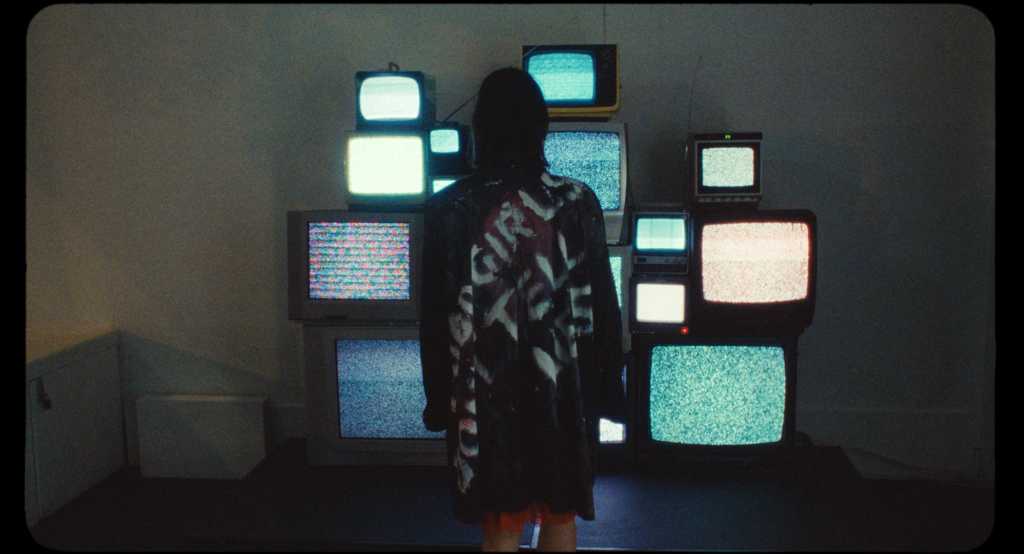
Photo Credits: Sublunar Films.