When filmmaker Amreen Kullar posted 35mm photos and prose about Brampton on Instagram, calling out the hate the city faces despite its essential labour force and healthcare gaps, she didn’t expect it to spark a movement. But watching the South Asian diaspora rally around her words revealed something crucial: “how much we lack a counter-narrative about the city”.
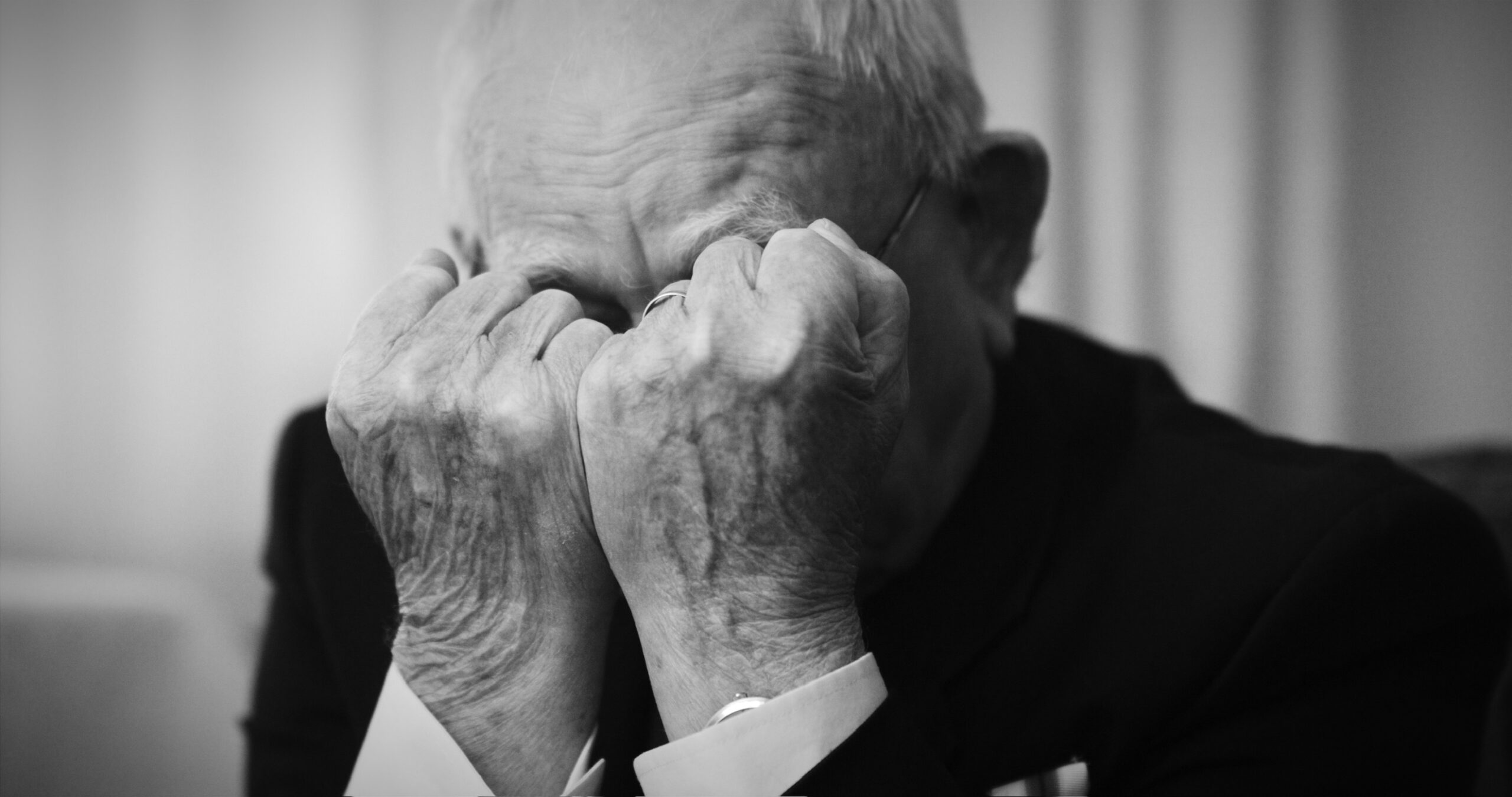
That realization became the foundation for I See Myself in You, Kullar’s intimate documentary that premiered at Hot Docs 2026. Shot on 16mm black and white film, the nine-minute piece weaves together the voices of three Brampton residents to challenge the stereotypes and rising xenophobia facing South Asian communities in Canada.

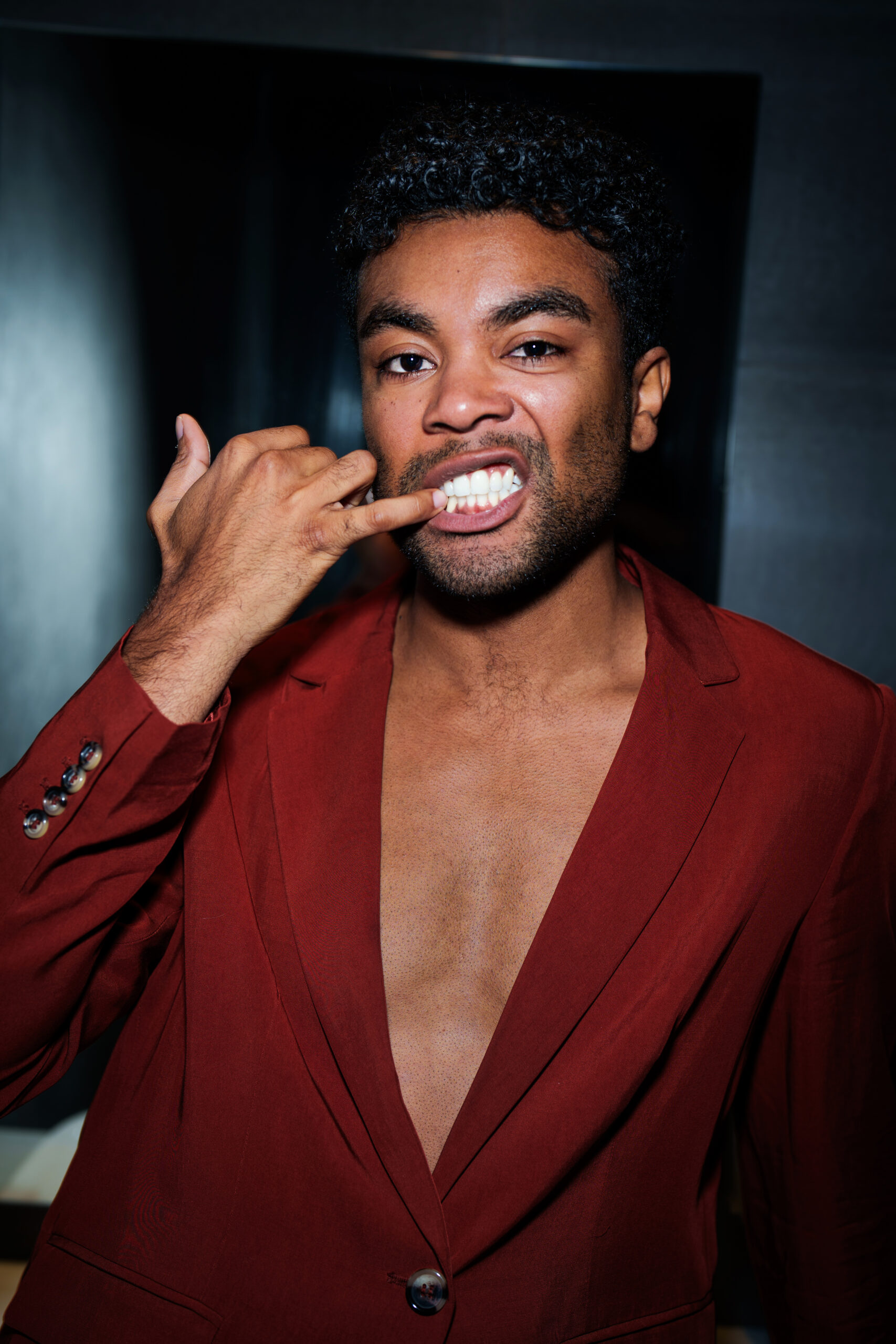
Headshot Credit: Adrian Muhajarine.
Kullar’s documentary arrives at a critical moment when discourse surrounding newcomers has intensified and hate towards South Asians has reached alarming levels. “I want viewers to see that Brampton is beautiful and worth taking a second look at. That South Asians are worth capturing on a medium like film,” Kullar explains. The film showcases the city’s diverse migrant stories and explores why cultural retention happens in immigrant communities, presenting these as strengths rather than points of contention.
The decision to shoot on 16mm black and white film was both aesthetic and deeply personal. “Brampton reminds me of when my dad came here, how he’d take the bus to the library before he had his own family,” Kullar reflects. The format captures timelessness and nostalgia, connecting the city’s past three decades to its current infamy. Nicknames like Browntown and Bramladesh echo through her memory, shaping her intuitive approach to storytelling.

One of the documentary’s most powerful insights explores the difference between established immigrants and newer arrivals in how they experience belonging. Kullar confronts an uncomfortable truth: “South Asians have been more tolerated here than accepted. Once we’re no longer a small minority, once we don’t assimilate the way Western society wants us to, the disparity between the way we’re treated is glaring”.
She challenges established immigrants who feel compelled to prove they’re “from” here, arguing that leftist, anti-border, anti-imperialist values require fighting the Western gaze and changing language around immigration. When discussing accents, she asks: “[a]n accent often means a person knows multiple languages. Is that not an indication of bravery and intelligence?”
For young visible minority audiences from Brampton, Kullar hopes the film instills pride in their hometown. She acknowledges she didn’t feel that pride for a long time, but now recognizes what the city gave her: connection to her own culture, exposure to other cultures, and transformative educators.
“Getting to learn from Black and South Asian teachers was game-changing, and I didn’t realize how fortunate that was until hearing the experiences of my peers much later,” she notes. Most importantly, she wants to remind those born or raised in Brampton: “we’re more alike than different. Also that everything comes back around; hating newcomers means that a part of you dislikes yourself”.
The filmmaker finds healing in witnessing defiance of Western norms, particularly citing a viral Bhangra video filmed outside the Eaton Centre; “[h]ow can a display of joy and release by a community that services the city, set people off?” she questions. To Punjabi folks who opposed it, she poses a harder question: “[h]ow scared of your own culture are you, for that to be a bother? Is the problem the people doing it? Or is the problem your discomfort?”.
One particular moment during production shifted Kullar’s entire understanding of her project. After dropping off Simran, one of the film’s subjects, following their audio interview, she found herself alone in the car, overcome with gratitude.
“I started to cry. Mostly out of gratitude that I had met someone so amazing and no matter what happened with the film, I knew our conversation and connection mattered to the both of us,” she recalls. Simran’s stories reminded her of tales her mother would tell about leaving not just a place, but an entire period of life. “That moment was so impactful because I could look past the self doubt and feel like I really was meant to be doing this”.

As the credits roll on I See Myself in You, Kullar’s attention turns to what’s next for the city’s creative community; “[t]here’s so much good work coming out of Brampton, I can’t wait to see how the film scene grows and transforms,” she says.
In challenging times marked by division and scapegoating, her documentary offers something increasingly rare: a reminder that our circumstances are largely chance, not merit, and that recognizing our shared humanity requires seeing ourselves in those around us.
You can catch more of her work and schedule of subsequent screenings at film festivals on her Instagram page.
Instagram: https://www.instagram.com/amreenk_
Trailer: youtube.com/watch?v=ylh xRSdAwU&time_continue=1&source_ve_path=NzY3NTg&embeds_referring_euri=https%3A%2F%2Fpovmagazine.com%2F