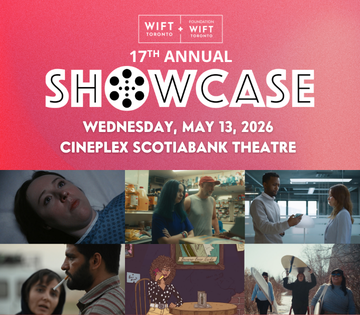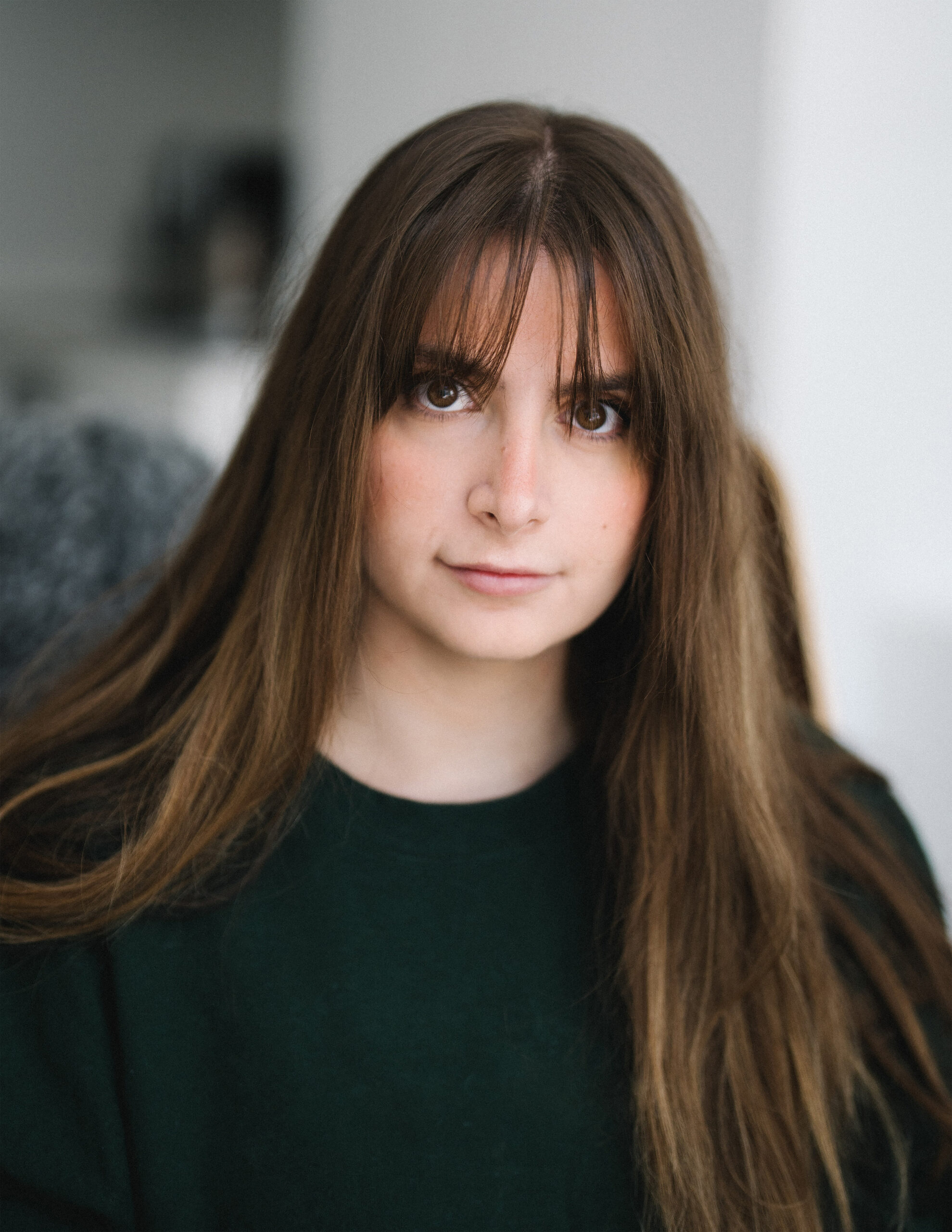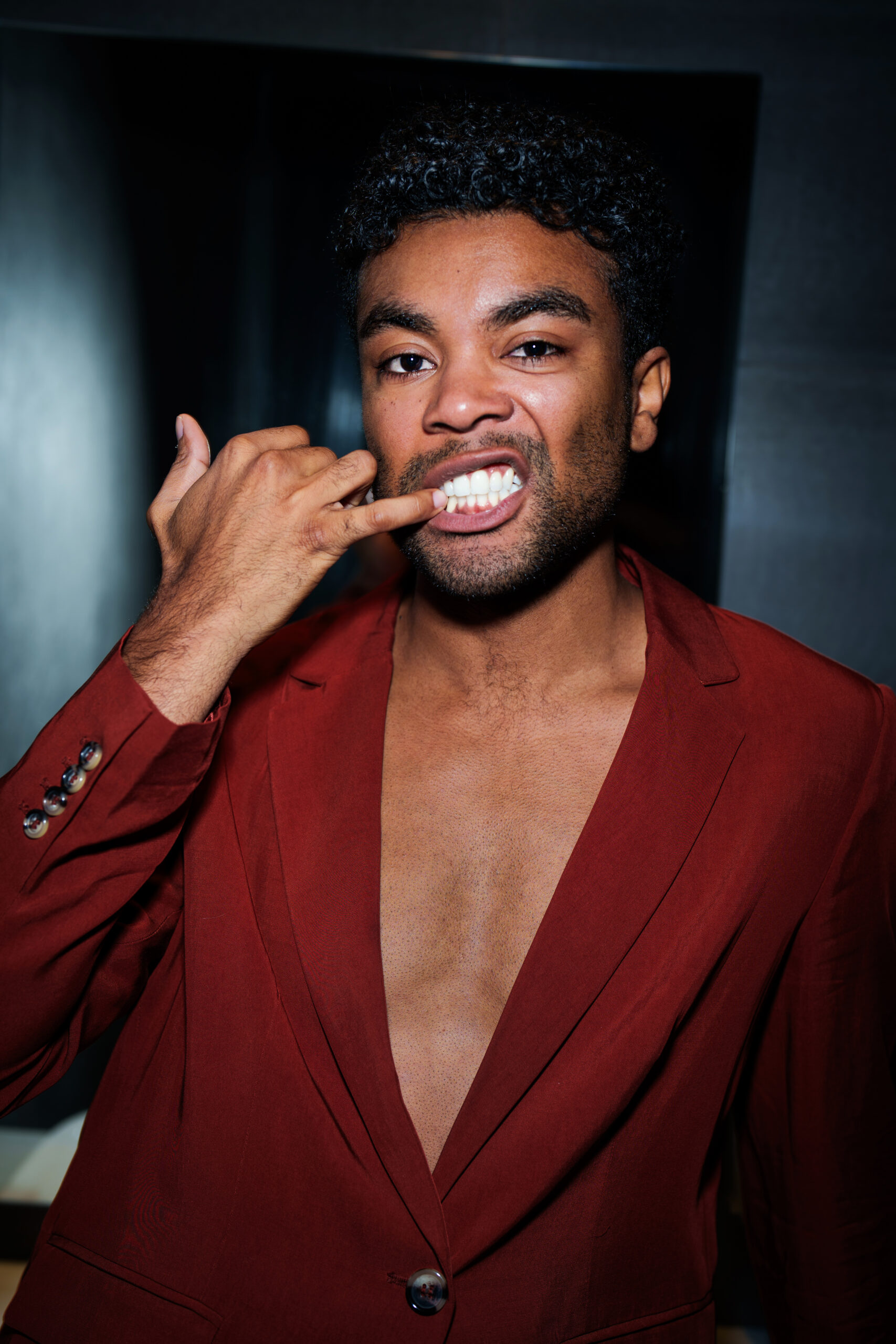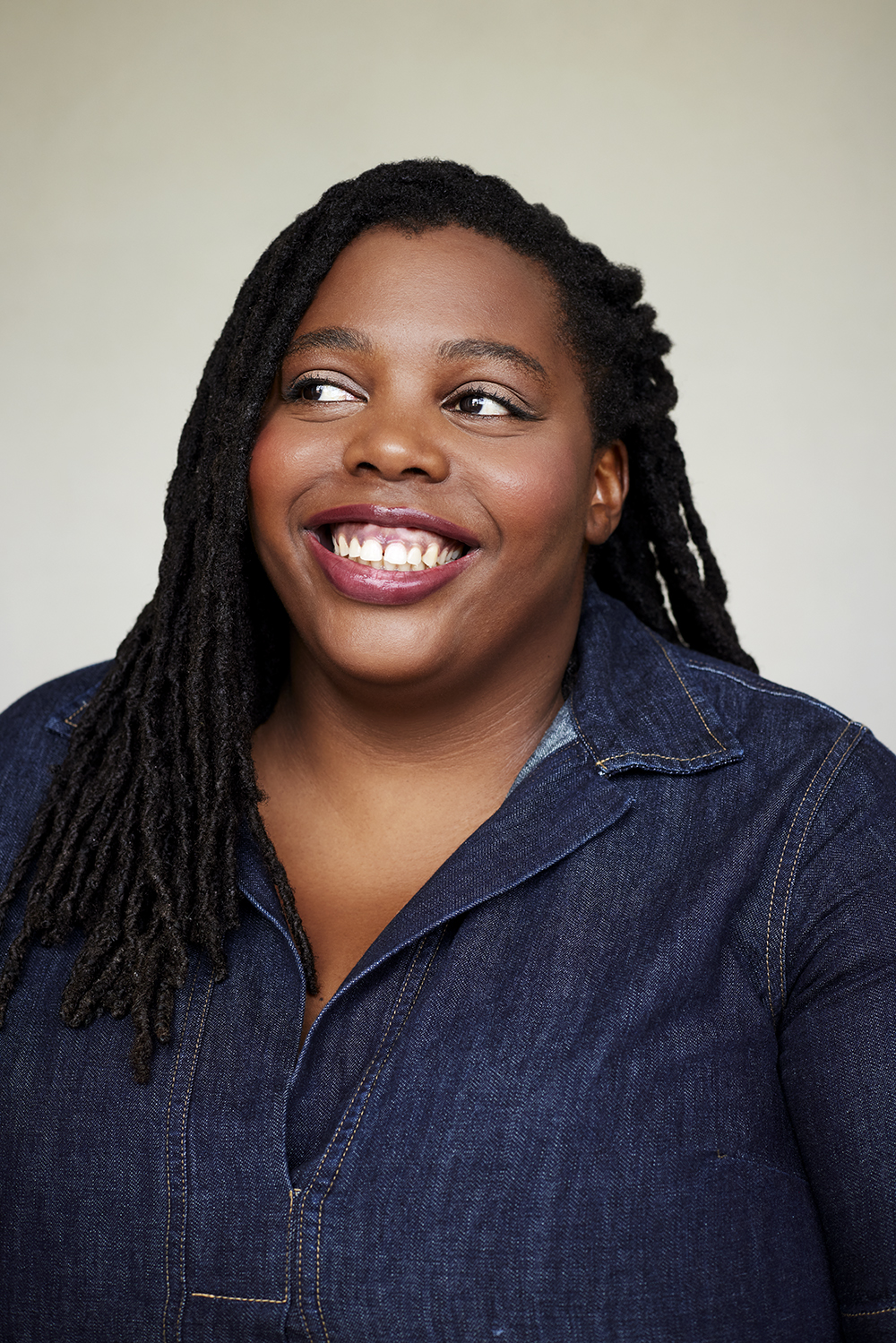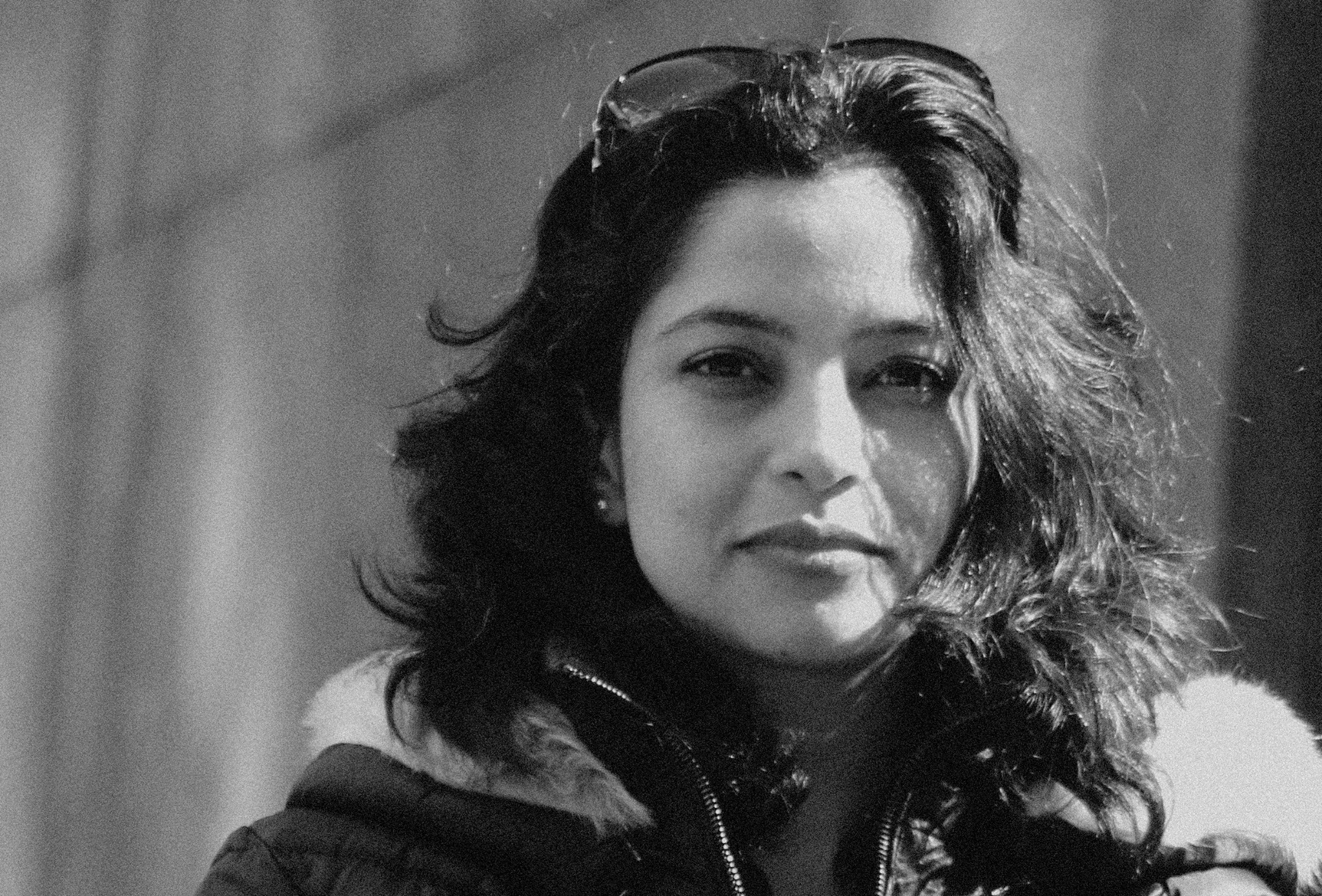
In Last Resort: Women Protecting Their Children, filmmaker Samiramis Kia crafts a deeply intimate and urgent portrait of a mother pushed to the edge of a system that fails to protect her. Rooted in personal experience and shaped by the lived realities of women navigating custody battles, the film explores the emotional and moral complexities of parental love, resistance, and survival. In this conversation, writer, director, and producer Samiramis Kia reflects on the research behind the story, the political and personal forces that shaped the film, and her approach to portraying trauma, dignity, and defiance on screen.
How did you approach balancing reality with dramatic tension in such a high-stakes narrative?
This is a great question to start the conversation with. Thank you for your attention to the subject matter. The story was initiated by a personal experience. However, I did a lot of research before writing the script. I spoke with lawyers, mostly women, and also with women who had gone through similar experiences; fighting for custody of their children. What they were asking for, at its core, was the most basic human right: to protect their kids. Many of them told me that they would do whatever they could to do.
I was interested in what remains possible in a space where everything already feels lost. Last Resort is the story of one woman, an example among many, whose intimate decision, when faced with an impossible situation, gives the story a universal dimension.
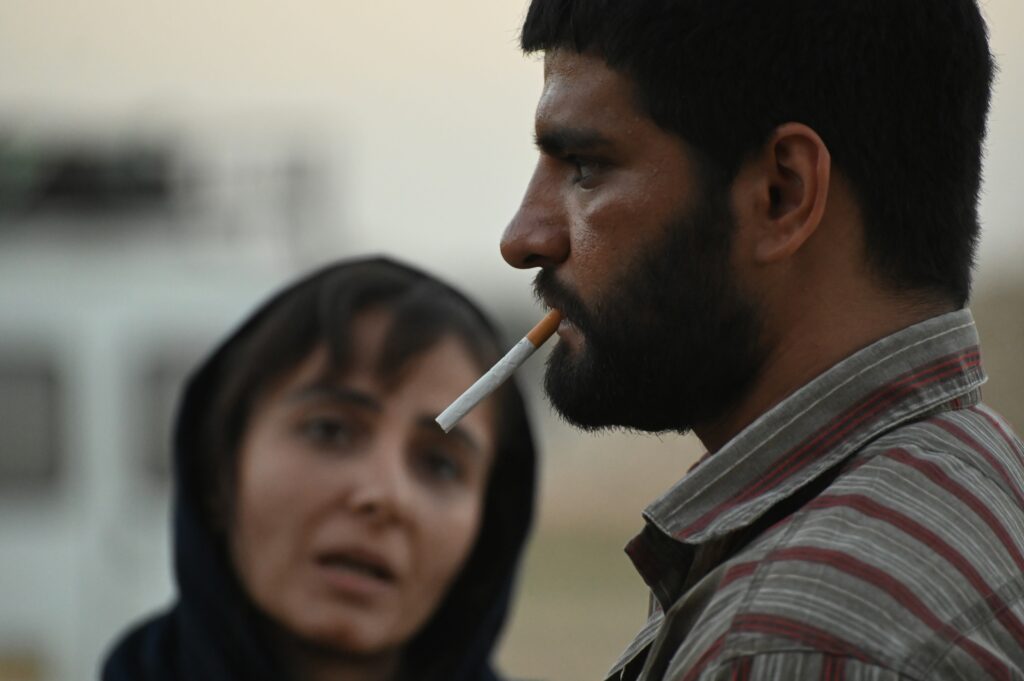
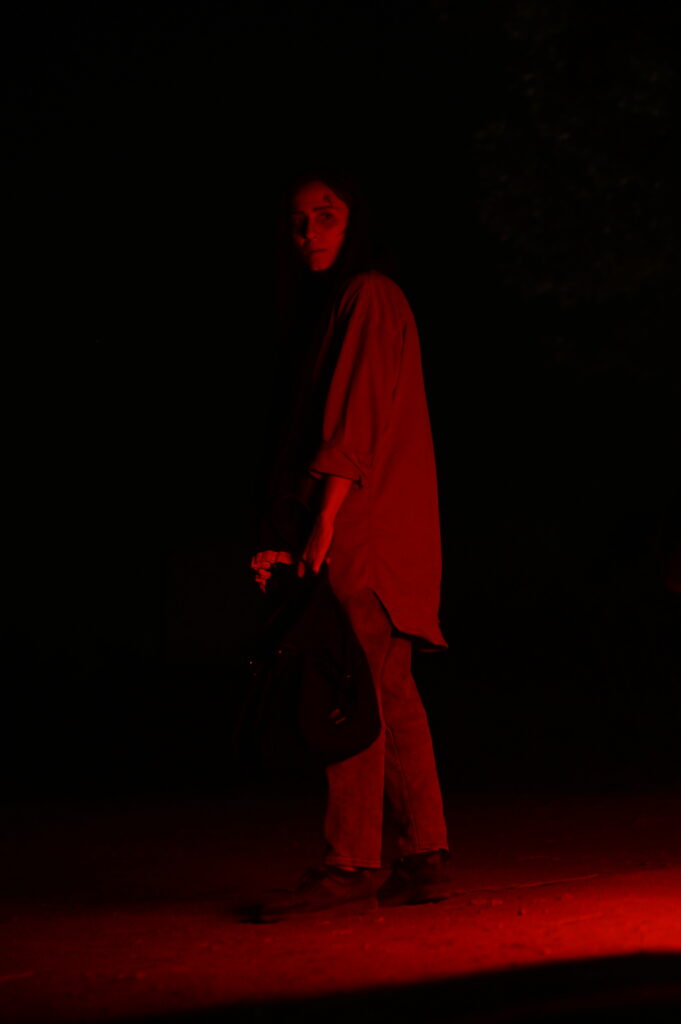
The night setting helped a lot in building that tension, but the performances were essential in grounding the film in reality, especially with our protagonist, Leila. She was connected to the story from the very beginning. She was able to deliver a very natural performance, partly because she had gone through a similar experience of a custody battle, which brought an added layer of truth to the role.
The film touches on custody laws and the lengths a parent might go to protect their child. What conversations were you hoping to spark about legal systems and parental rights?
I wasn’t aiming to spark anything in particular, but rather to express something – a need to express. That was the starting point. I wrote the story at the same time as the “Woman, Life, Freedom” movement. It wasn’t surprising to see a society rise up. I believe deeply in the power of people. Societies eventually stand against injustice; that’s where real power lies. The same applies to disobedience. There is something powerful in a rebellious act against injustice. For example, for Iranian women, that act was refusing the Hijab, for example, using it as a way to push back against hardline structures.
I see myself as only a small part of a much larger picture, one that is moving toward change and fairness. In that sense, the film reflects a tension: when a system fails, what remains for the individual, especially when it comes to something as fundamental as protecting one’s child? Iranian society, especially women, have been asking for their rights with remarkable strength, and sooner or later, I believe they will achieve them.
How do you see the film contributing to discussions around domestic abuse, especially when it intersects with legal systems?
For me, the film isn’t about resolution, but about a gesture – what it means to act, even when it may not change the outcome. Our path toward justice might be long, but it’s necessary to act. And as an artist, I believe that act is to create. I’m not interested in presenting my character as a victim. The tension comes from her persistence, her refusal to disappear within a system that constantly reduces her to a case. For me, the discussion should ultimately be around human dignity and basic human rights.
Were there specific visual or stylistic choices you used to heighten the urgency and emotional pressure?
The camera work plays a big role in heightening the tension. The performances as well, even in silence, carry a strong sense of urgency. I was interested in creating the feeling that something is about to explode, that the tension is constantly building beneath the surface.
That’s why I worked with controlled spaces and restrained performances. The silence and the darkness become part of that pressure, holding everything in rather than releasing it.
As a filmmaker, what responsibility do you feel when telling stories about trauma and abuse?
Honestly, I think as an artist you need to be honest to yourself, to the world around you, and to your imagination. As Albert Camus suggests, the artist lives in a constant tension; between hope and despair, order and chaos. Maybe our responsibility is not to give in to despair, but to continue, to carry that tension all the way through. That being said, we have to create, we have to express, and in a way, we have to fight to the end.
What do you hope audiences at the WIFT+ Showcase take away from Last Resort?
I hope the film stays with them. And I hope they remember Iranian women, and the “Woman, Life, Freedom” movement, as an ongoing fight for women’s rights.
What drew you personally to telling stories centred on motherhood and sacrifice?
The initial idea for the story took shape remembering my childhood memory; when my older sister filed for divorce. Under Sharia law, the mother doesn’t have the right to custody—no matter what, the children stay with the father. My sister had to dedicate her life to staying in a relationship that was toxic and abusive, only because she was a mother who didn’t want to abandon her two children.
QUICK TAKES:
What projects are you currently pitching or developing?
I’m currently working on a short film called Boots and a feature film titled Of Hands and Memories. Both stories are centred around female protagonists.
What stage are these projects in (writing, pre-production, post-production)?
Both projects are currently in the writing and development phase.
What kind of collaborators are you looking for right now? (writers, actors, producers, crew, etc.)
I am looking for producers who can join both projects
How can people get in touch if they want to collaborate or learn more?
I’d love to connect and have a conversation. The best way to reach me is by email: Samiramis.kia@gmail.com
Are you looking for submissions, funding, or other opportunities?
I’m currently looking for funding as the first step in developing the scripts.
Any upcoming events, screenings, or launches readers should know about?
I have a feature film, Drifting Stones, currently on the festival circuit. Stay tuned!