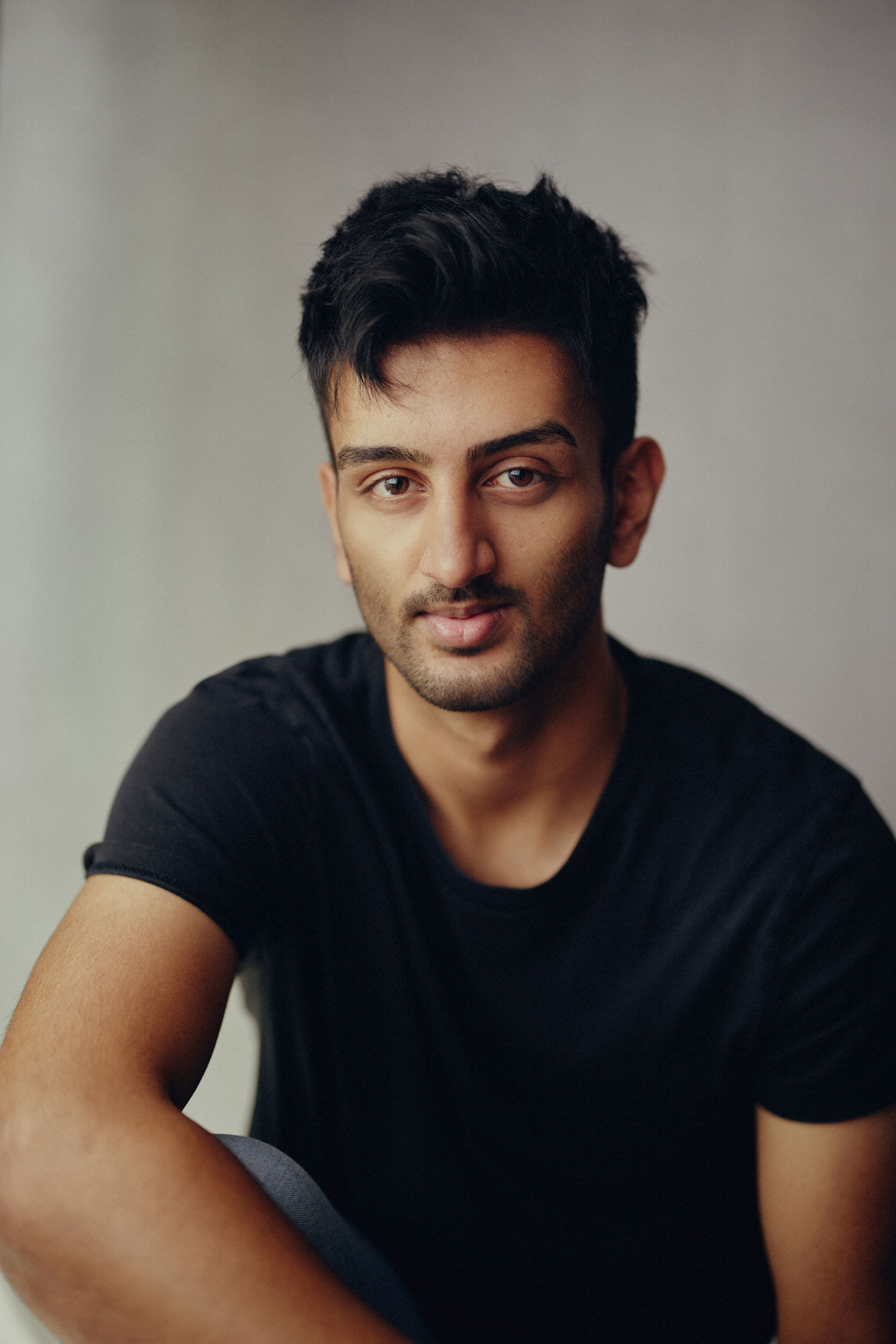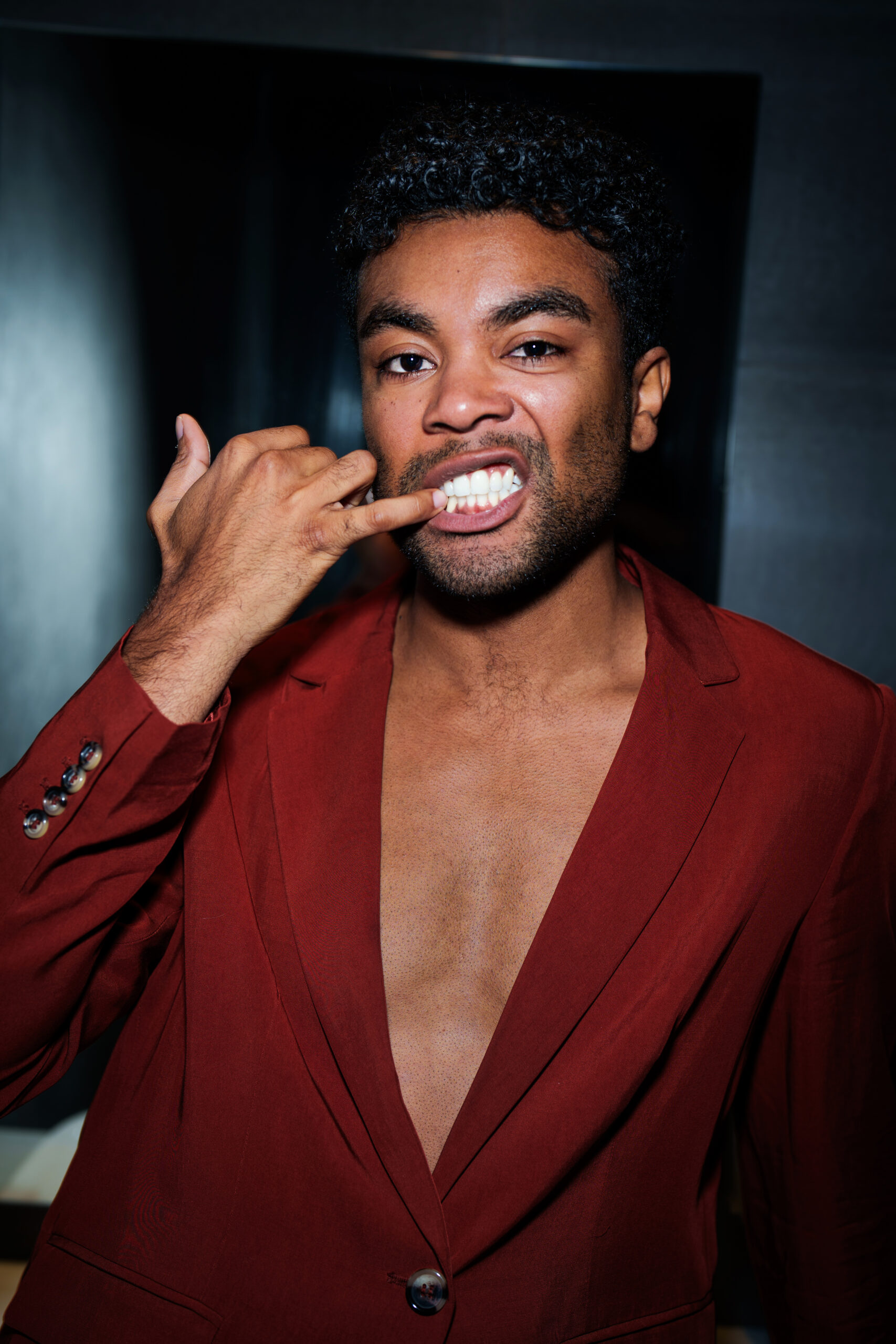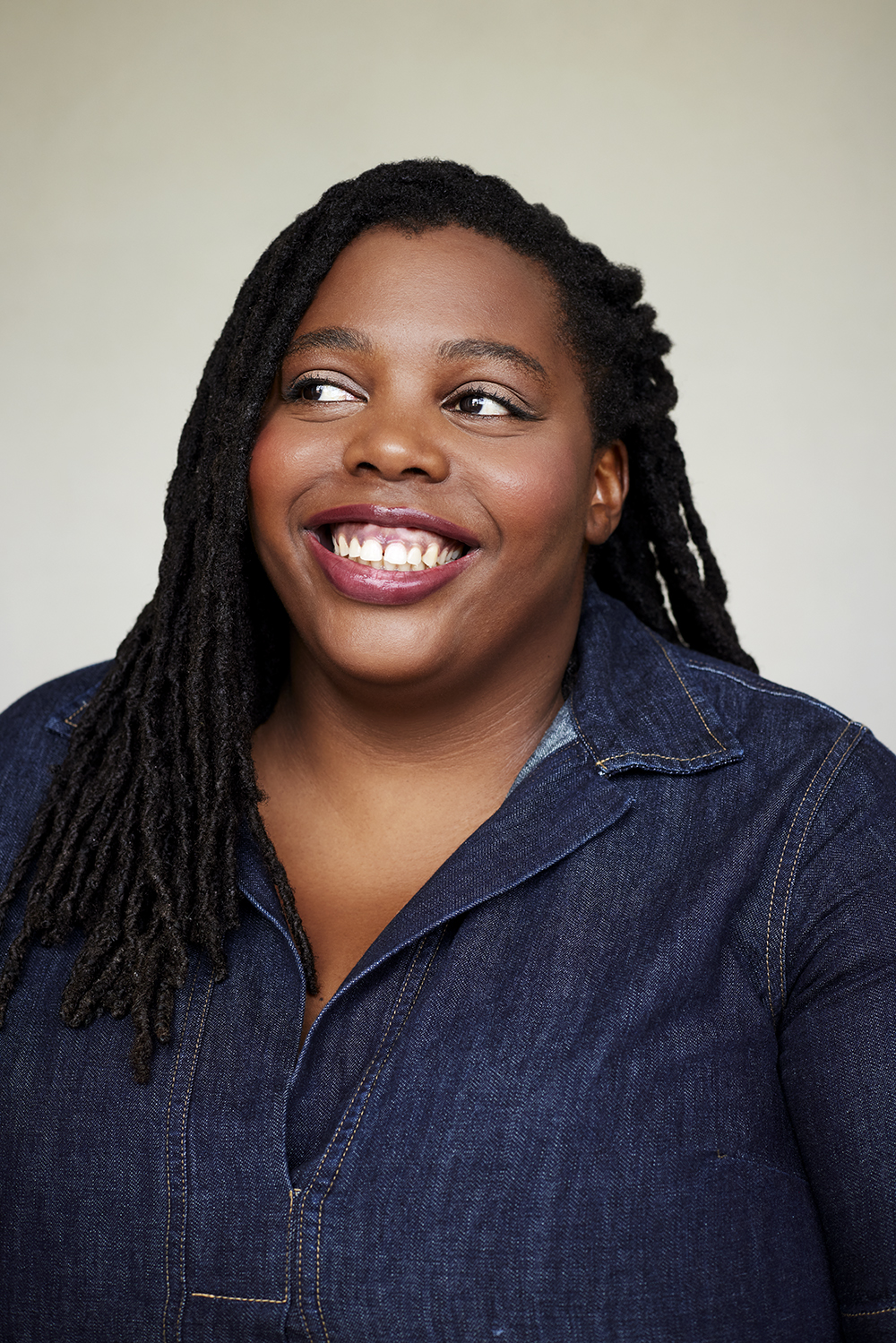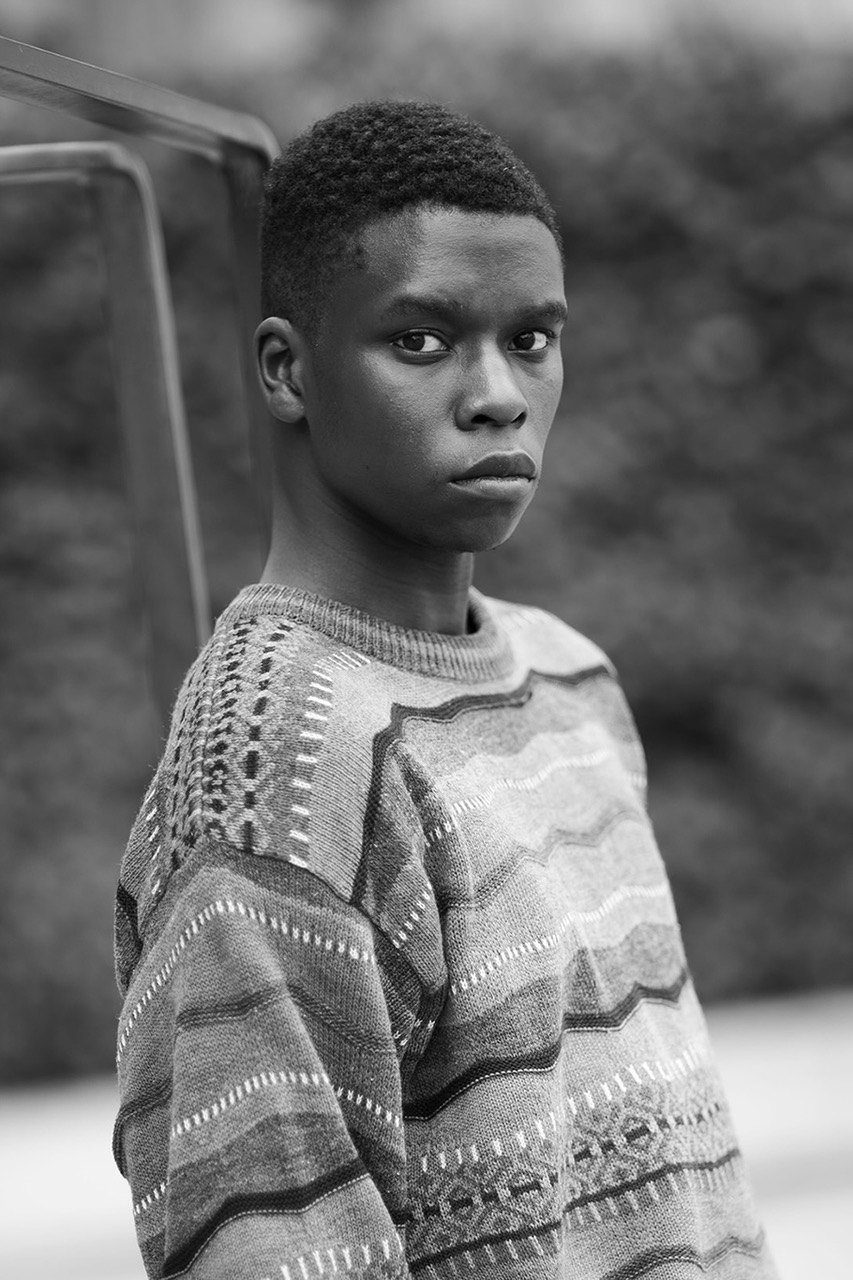
Tope Babalola represents a new era of Canadian filmmakers. He is a creative who has built his voice and presence both online and onscreen, without waiting for anyone’s permission. A Nigerian-Canadian writer, director, and digital creator with millions of followers across platforms, Babalola’s journey into filmmaking began long before the algorithms. It was rooted in a childhood spent writing stories he could already visualize as movies.
From self-publishing novels at just 12 years old to being named one of Playback’s 10 to Watch, his path has been anything but traditional. In this conversation, Babalola reflects on navigating both digital and cinematic storytelling. He also discusses the discipline behind his ambitious short Or Forever Hold Your Peace, and why staying true to the demands of each medium is key to authentic work.
Q. You have built a massive audience of over two million on TikTok, and you also write and direct your own narrative short films. How did your storytelling journey begin, and at what point did you decide to delve into filmmaking?
A: I’ve always loved storytelling, both consuming it and producing it. I got my start with writing short stories around six years old, which later evolved into novels as I reached middle school. I also watched entirely too much television and movies as a kid, which inspired my love for visual storytelling. I would describe myself as a very visual creative. With every story I wrote, I could always see the visuals playing out like a movie, which is why it wasn’t too much of a surprise when I transitioned more toward screenwriting in high school. I also created a lot of film projects as a kid, starting with my family camcorder and basic editing software on my first laptop. In addition to some digital and broadcast media courses I took in high school, I also started teaching myself VFX and further honing my editing skills. All of these things, I feel, laid the foundation for where I am in my professional career. I was always fascinated with every aspect of filmmaking, so learning all of the different components allowed me to be able to create a lot of independent projects on my own, wearing every single hat possible.
Q. How has your experience as a digital creator influenced your approach to storytelling, pacing, and audience engagement in your films, especially keeping the current audience’s media consumption in mind?
A: It’s weird. Though I do believe that getting started in the digital space was a great exercise in how to tell shorter visual stories, especially having come from a more traditional background, I think I separate digital storytelling and traditional filmmaking in the sense that both cater to different platforms; therefore, the needs of the content differ. I view myself as a writer at the end of the day, and I will always write whatever material is best suited to the platform I intend to use. Short-form internet content and traditional film are both valid forms of storytelling, but I do my best not to let my work on one influence the other too much. I would never want to sacrifice important elements of one of my films for the sake of making it “more like social media,” in the same way that I wouldn’t want to betray what works well on social media for the sake of forcing something more traditional onto a digital platform that isn’t catered to it. There are definitely lessons I take from the digital world into the traditional one (and vice versa), but I feel that, for me, treating them as different platforms with different needs is a better approach for authentic storytelling across the board.
“I view myself as a writer at the end of the day, and I will always write whatever material is best suited to the platform I intend to use.”
Q. Moving onto another one of your talents, you began writing at a very young age and have published three novels in middle school that were sold nationwide at Chapters! How did this opportunity come your way? Please tell us more about your journey towards this incredible accomplishment and how it shaped your writing today.
A: My parents have always been supportive of all of my creative endeavours. I think when they saw that I was writing more consistently as a kid and the works were getting longer (to the point that I was creating my own hardcover books out of cardboard), that it would be a great opportunity to look into self-publishing to get my stories professionally bound. Seeing my work published at 12 years old was a massive confidence boost for me. And to go on to have it available in bookstores, as well as hold public book signings, it really helped me realize that there was a world in which I could write for a living and be creative as an actual career. It was also the first time strangers were engaging with my work, and I think that encouraged me to want to improve and grow even more. Obviously, friends and family will be supportive of a 12-year-old still practicing their craft, and even adult strangers would share in that support. But I think I wanted to move beyond being “a good writer for a middle-schooler” and wanted people to see me as a “good writer” more generally. It was a necessary push, I feel, that helped me further develop my skills.
“Seeing my work published at 12 years old was a massive confidence boost for me. And to go on to have it available in bookstores, as well as hold public book signings, it really helped me realize that there was a world in which I could write for a living and be creative as an actual career.”
Q. In 2022, you were recognized as one of “Playback’s 10 to Watch,” highlighting your emergence as a filmmaker to follow. How did that recognition impact your career, and did it shift how you approached your work moving forward?
A: This was a huge development for me, looking back. At the time of being named one of the 10 to Watch, I had only graduated from film school about 8 months prior, had just hit 300K subscribers on YouTube, and was months into development on my first television series with a production company and taking it out to market. To be recognized so early in my career really was a big deal, as it was what helped me sign with my literary agent, which subsequently opened the door to so many more opportunities in the traditional space. I think being named in Playback, in addition to everything else that I had in the works during that year, really solidified the belief that my goals were not too far out of reach. In fact, it helped me see that I was much closer to achieving those goals than I thought, and that if I just continued to work, I would be able to attain those dreams much faster than I would’ve ever expected.
“I think being named in Playback, in addition to everything else that I had in the works during that year, really solidified the belief that my goals were not too far out of reach.”
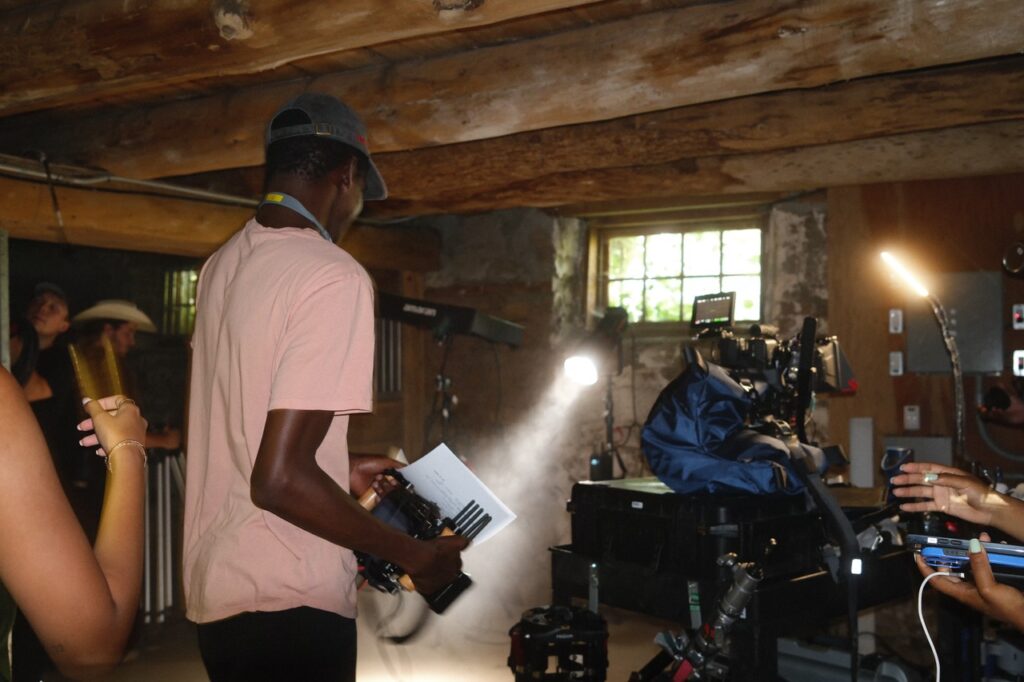
Q. Your upcoming short Or Forever Hold Your Peace centres on a maid of honour navigating high-stakes pressure on a wedding day. Tell us about your characters, what initially drew you to this story, and the themes you were most interested in exploring through this film. For our independent filmmakers out there, how was this project funded?
A: Or Forever Hold Your Peace was a really fun project for me. I was coming off my previous short film The Delivery, and wanted to go into production again soon. The idea of a wedding with absolute chaos boiling beneath the surface came to me very randomly, but I immediately started to flesh it out to find ways of rooting this bizarre and comedic scenario in character work. So I ended up creating Evelyn, the protagonist, as a kind-hearted but self-destructive disaster just trying her best to make the other people in her life happy because she doesn’t believe she deserves that happiness for herself. I found her really fascinating to write about, as she is constantly messing up and digging herself into deeper holes without realizing it, but it’s all stemming from a good place. With her and the supporting cast of characters around her, I wanted to explore, in as much time as a short film allows me, how sometimes we can be our own biggest enemies when it comes to relationships due to our self-image preventing us from accepting love we feel we may not deserve. Regarding funding, this project was the second short of mine that I was able to self-fund. I’m very lucky that my life as a digital content creator has allowed me to monetize my online work, which then allows for opportunities to fund larger stories and bigger productions.
Q. The premise of Or Forever Hold Your Peace lends to both emotional tension and comedic potential. How did you approach balancing tone, and what kind of audience experience were you hoping to create through this film?
A: I find that I gravitate to comedy very naturally. In my own life, I use humour as a way to navigate both the good and bad. I knew Or Forever Hold Your Peace was going to be a comedy, but I love writing characters and character conflict, and I knew that this film would need to hit more dramatic, emotional beats in order for these comedy characters to have their emotional arcs ring true. The balance of comedy and drama is my favourite part of almost anything I write, and it was wonderful being able to not only work on writing this balance in the script, but also direct this balance on-set with performances (shoutout to my talented leads Kalissa Persaud and Gregor Reynolds) and even with the camerawork (a big nod to my DP Liam Death). I definitely want people to laugh through the film because so many of the situations and characters are just ridiculous. But it was equally as important to me that when we did make those tonal shifts toward the dramatic, it felt both earned and natural to the story.
“I find that I gravitate to comedy very naturally. In my own life, I use humour as a way to navigate both the good and bad.“
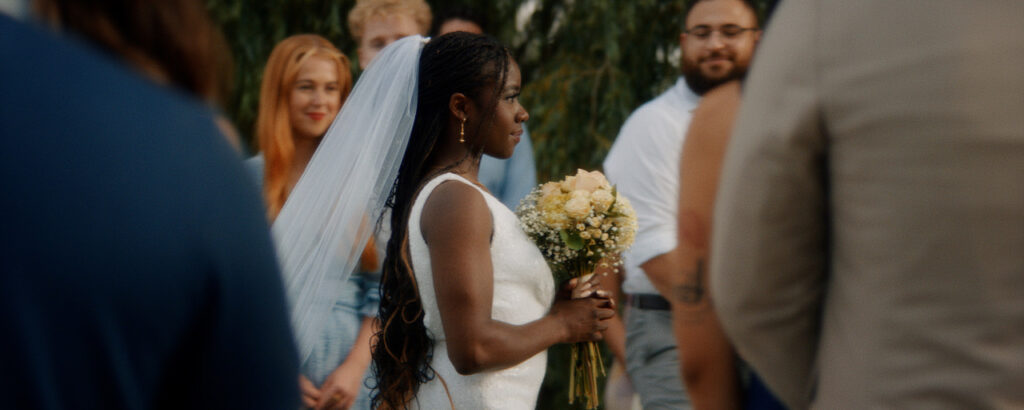
Q. What was one scene in Or Forever Hold Your Peace that you were most apprehensive about shooting and why? How did you prepare for it, and how was your experience with shooting this particular scene once you were actually on set?
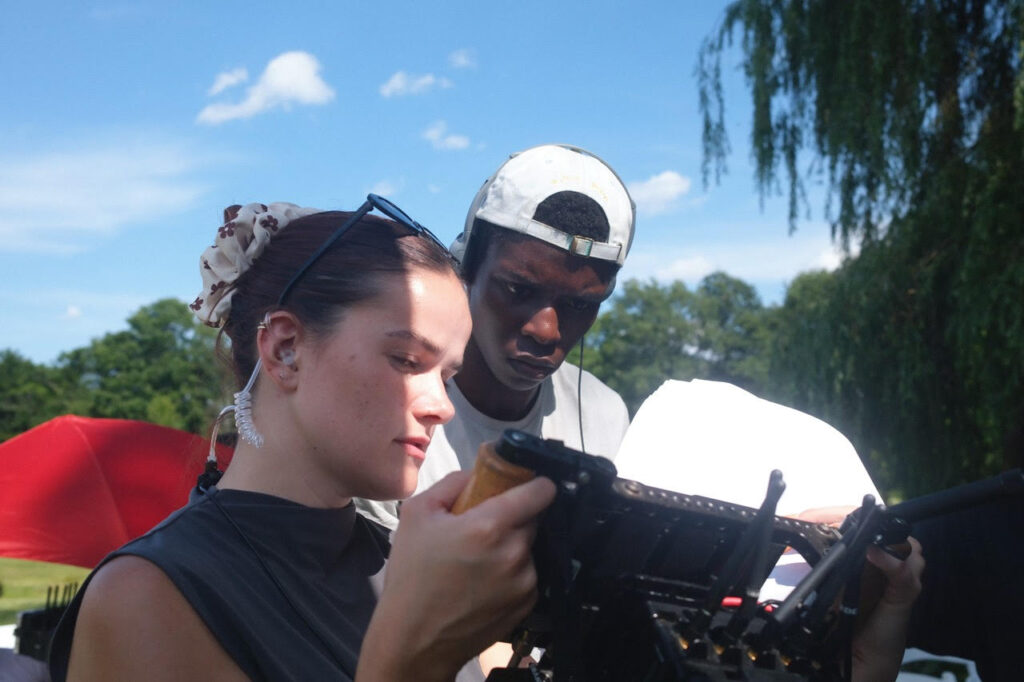
A: The wedding ceremony scene during the third act of the film was the one I was most concerned about. It was the biggest scene of the film and featured all our characters, an audience of wedding guests, and over 20 different setups. It also takes place at both the narrative and emotional climaxes of the film, so there was a lot I really wanted to get right. This was one of the scenes I prepared for the most prior to shooting, and we shot the scene over the course of our final two days of production. It was the first scene I blocked and storyboarded, very early into pre-production, because I wanted the camera to move very specifically to highlight all of the featured players, while also being economical with our time on set. I’m thankful for the crazy amount of planning I did for the scene, as well as how we scheduled the shoot, because being on set for this scene was one of the best moments of the production. On the first day, we shot everything we needed with just the wedding party; that way, I could focus exclusively on the performances and coverage of our principal cast, particularly the emotional monologue from the female lead (played expertly by Kalissa Persaud).
The second day was spent getting everything with the wedding guests, which mainly consisted of wider shots. There’s one of these wide shots where we can see everyone in frame, and we got to play out the entirety of this big scene from start to end, so it felt very much like a stage play, which was really cool. It was so fun being able to direct one of the biggest scenes of my career so far, and with so many friends and supporters in attendance. It was easily one of the most ambitious scenes I’ve ever put together, but my borderline-insane tendency to overplay really paid off here! It helped me put into perspective my capabilities as a director and gave me the motivation to aim even bigger for future projects.
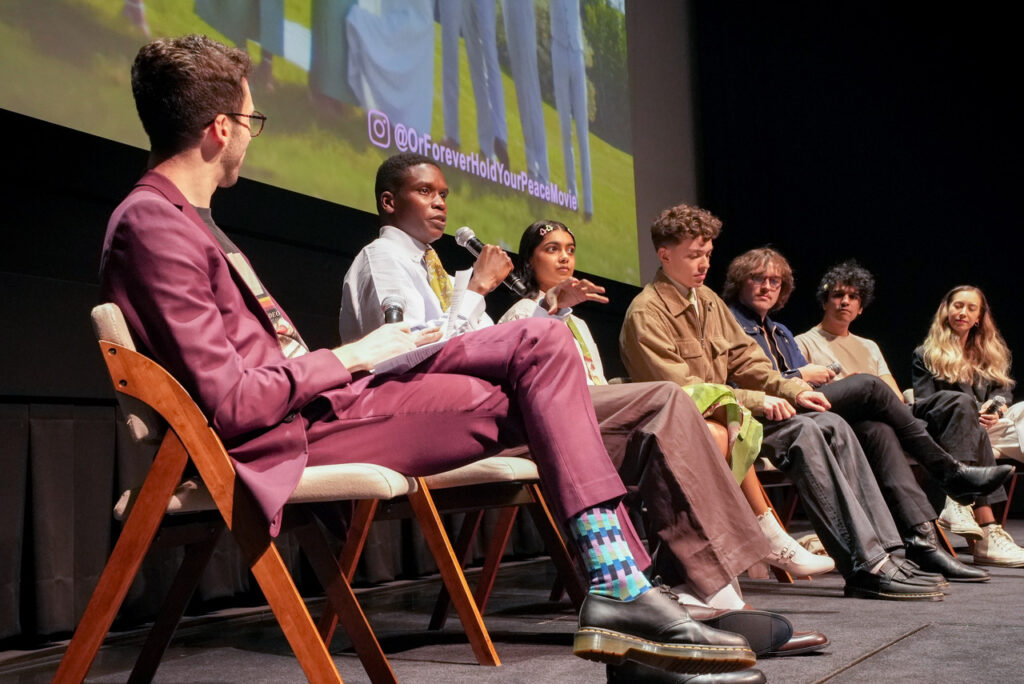
Q. As a writer, director, and producer on your projects, how was your experience wearing multiple creative hats, particularly on a fast-paced short like Or Forever Hold Your Peace?
A: I love being on set, and I miss it every day that I’m not. It’s stressful, it’s exhausting, especially serving as a director/producer/writer, but it’s so much fun. Being able to wear so many hats can be taxing, but I try my best to see the best in it. I’m able to retain so much creative control and bring a project to life the way I envisioned. I also get to control who I work with, and I get to be responsible for creating an on-set environment that everyone can enjoy. I think one of the best compliments someone can give me after working on a film of mine is that they had fun and felt appreciated. But overall, it’s so great being able to lead a talented team and collaborate to create something special. I usually work with a small-but-mighty team, and it’s all-hands-on-deck, but seeing everyone work so hard to help bring a vision of mine to fruition is honestly very invigorating. And being able to work with some of my favourite people as frequent collaborators is amazing. I always say that no one needs to care as much about my film as I do, but seeing people who genuinely believe in the project work so hard to make it happen is worth all the headaches and last-minute problem-solving that comes with producing a low-budget short.
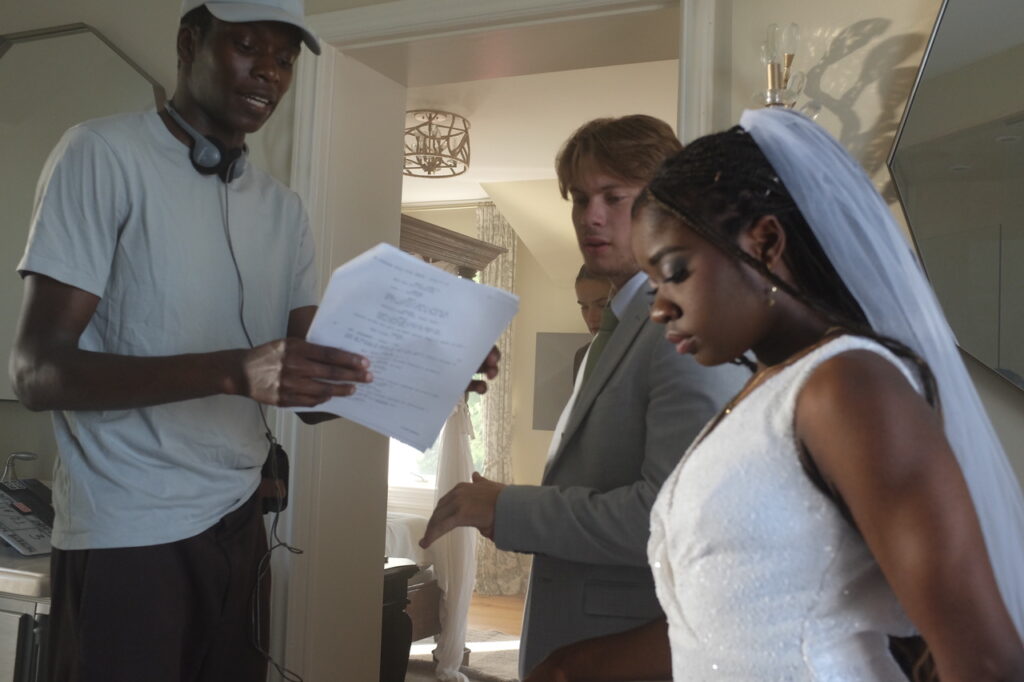
Q. As someone who has successfully built both a digital platform and a film career, what advice would you give to emerging filmmakers who are trying to break into the industry through non-traditional routes?
A: Put yourself out there. Just make something and showcase it however you can. Not every production needs to be massive, and you don’t always need a crew. Social media is a great way to experiment with ideas and get your material out into the world. I got my start in the digital space, writing and performing in comedy skits, I shot with my phone. Obviously, very different from traditional film, but it was still a great outlet to test ideas and practice different writing structures. It’s also a great way to get eyes on your work with very low lift. There’s an audience for everything, so if you put your art into the world, it will find its crowd. But you just have to make that first step. Write something and put it out there, cringe be damned. Then make something else. Then something else. Then something else. You’ll only improve with time. The more you create and the more you showcase your creations, the greater the chance of you finding your audience and people who want to work alongside you to create more.
There’s an audience for everything, so if you put your art into the world, it will find its crowd. But you just have to make that first step.
QUICK TAKES
Q. What projects are you currently pitching or developing?
I have a youth mystery series I’m developing (Benjamin Ojo), along with a few other TV pilots and my debut feature that I’m pitching, which is a coming-of-age comedy-drama film.
Q. What stage are these projects in (writing, pre-production, post-production)?
Benjamin Ojo is in active development with both domestic and international production partners attached. My debut feature has gone through quite a few drafts, and I’m ready to take it out.
Q. What kind of collaborators are you looking for right now? (writers, actors, producers, crew, etc.)
I feel like I’m always looking for producers, especially for my feature film! I’m ready to make things happen!
Q. How can people get in touch if they want to collaborate or learn more?
Follow me on social media (IG, TikTok, YouTube). I’m pretty active on there!
Q. Are you looking for submissions, funding, or other opportunities?
I’m looking for funding for my feature film, but also looking into some accelerator/ development programs for the project!
Q. Any upcoming events, screenings, or launches readers should know about? Where can our readers catch Or Forever Hold Your Peace?
Or Forever Hold Your Peace is available on my YouTube channel now! (@TopeBabalola)
Photo Credits: MG Belayneh, Richard Reyes,