‘The Art of Adventure’ is a film which opens a vivid window onto a planet once wild and unscarred. It is also a testament to a bond formed through curiosity, courage and love of nature through the lens of an extraordinary lifelong friendship between world-renowned wildlife artist Robert Bateman and fearless biologist Bristol Foster.
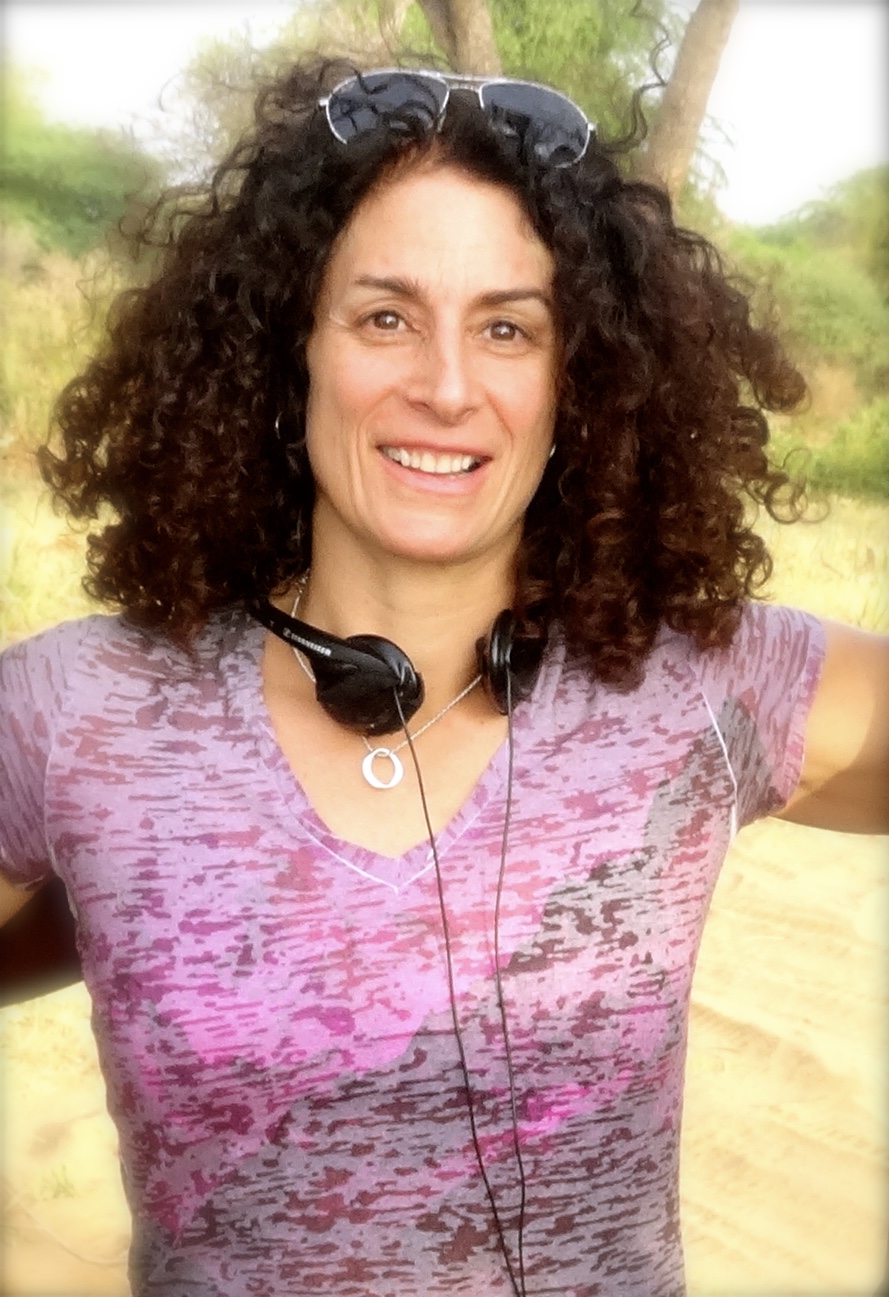
Through their epic 1957 journey around the world, Alison Reid tells a story which is a moving reflection on legacy, mortality and the wisdom of our elders. Reid, an award-winning Canadian filmmaker, is known for stories of adventure and exploration of the human spirit. Her debut feature, the LGBTQ2+ comedy ‘The Baby Formula’, opened the Mannheim Heidelberg Film Festival in 2008 and screened worldwide.
She went on to direct and produce the critically acclaimed feature documentary ‘The Woman Who Loves Giraffes’. Now, ‘The Art of Adventure’ is at the forefront of film festivals, garnering enthusiastic audience response.
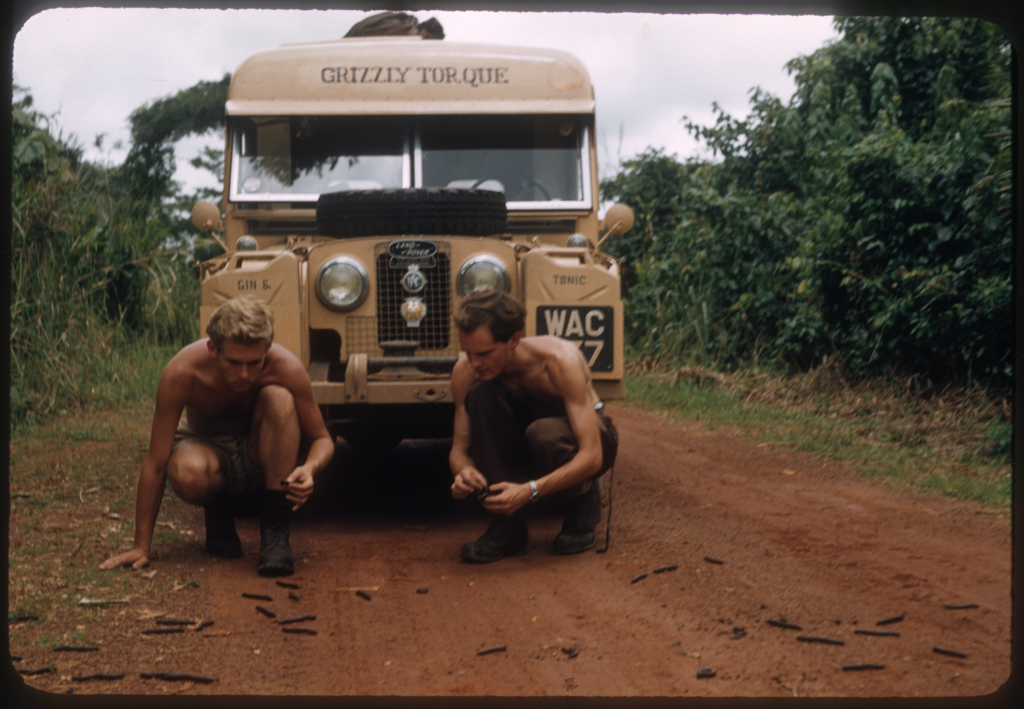
Alison, The Art of Adventure is a documentary on nature through the lens of art and science, but it is also a beautiful exploration of self-discovery as a human. As a documentary filmmaker, what aspects first drew you to the story of world-renowned wildlife artist Robert Bateman and celebrated biologist Bristol Foster? What made you feel this was a journey that needed to be told in the present day?
Part of the beauty of this story is that it takes place over so many decades. We get to see Bristol and Robert’s powerful connection to nature when they were in their 20s, travelling the globe in their Land Rover – in full exploration and discovery mode – and how that evolved into a lifelong mission of environmental activism. To experience first-hand through them how the world looked in 1957, and how it looks now, almost seventy years later, brings powerful resonance to the story.
At the heart of The Art of Adventure is a remarkable friendship spanning decades. How did you approach capturing the emotional depth, but also the growth and evolution of that relationship on screen?
What struck me early on was how much of their bond is expressed not through grand declarations, but through shared experience: their love of nature, living cheek to jowl in a Land Rover for 18 months, and a deep mutual respect. I approached it by letting those things reveal themselves gradually, interweaving present-day reflections with the energy of the trip from their youths. The passage of time becomes a character in its own right, allowing us to see not just who they were, but who they’ve become to one another.
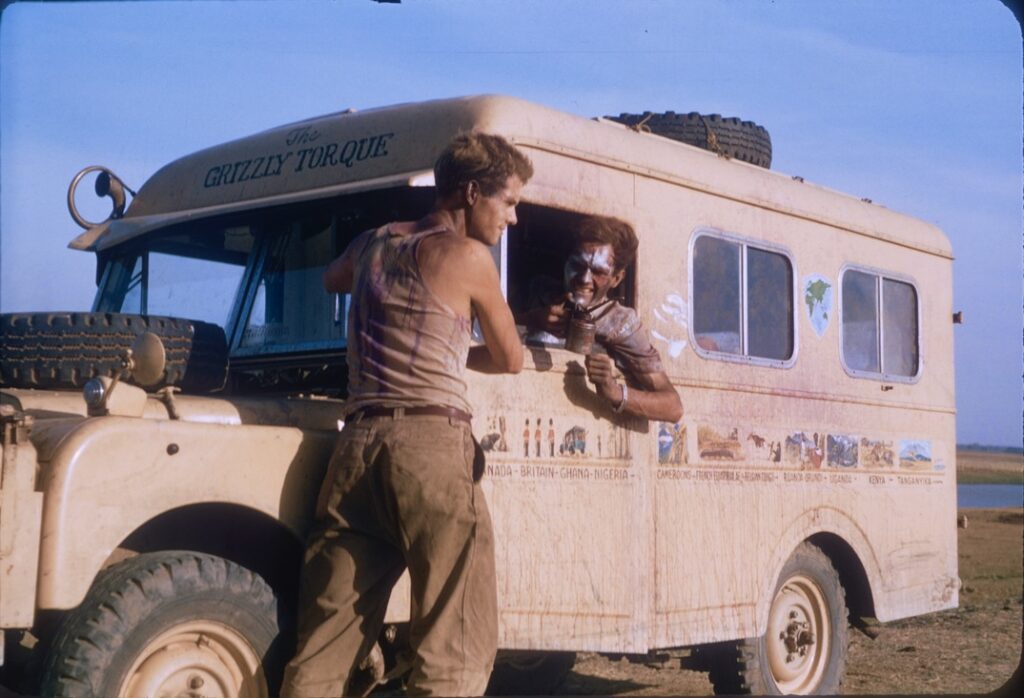
Bateman and Foster’s 18-month-long travels began in 1957 and spanned more than 60,000 km. Due to the passage of time and the amount of footage recorded, was it difficult to obtain archival footage?
It wasn’t at all difficult to obtain the footage of the trip. Bristol had filmed it, and he gave me permission to use it in this film.
You have described your work as exploring the human spirit through adventure. What does “adventure” mean to you in the context of this film, beyond the physical journey that was undertaken?
Bristol says it best at the beginning of the film, “life is an adventure; it’s mystical, it’s magical,” which is so true. How can we not want to explore this amazing planet, upon which we live to the fullest? It is so rich, and we’ll never learn all it has to teach us. That exploration is the ultimate adventure.
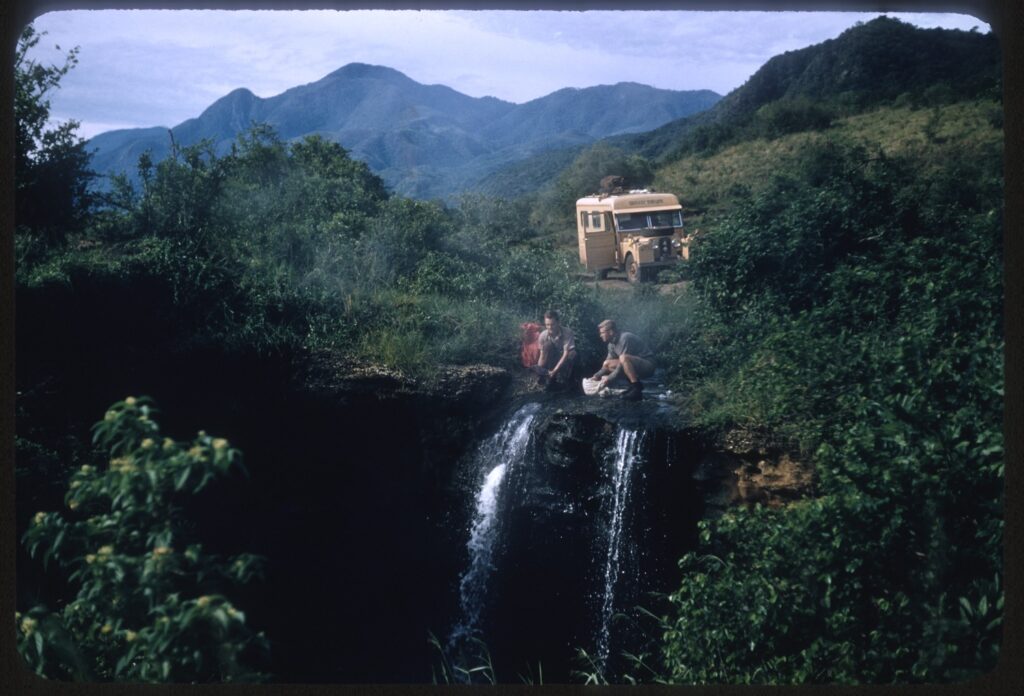
The documentary features voices like David Suzuki and Wade Davis alongside Bateman and Foster. How did these perspectives help deepen the film’s message around environmental responsibility?
David and Wade are both such icons of environmentalism. Each has an incredible depth of knowledge. They both also happen to be personal friends of Bristol and Robert’s, so they offer extraordinary insights that resonate on many levels.
The film carries a strong sense of reflection on ageing, legacy, and the wisdom of elders while showcasing a world far less impacted by human activity. How do you think this film and the unique themes highlighted within would inspire current-day audiences?
So many tell us how hopeful and inspired they feel after watching the film, and that all boils down to Bristol and Robert. After you see them in this film, you can’t help but fall in love with them and be inspired.
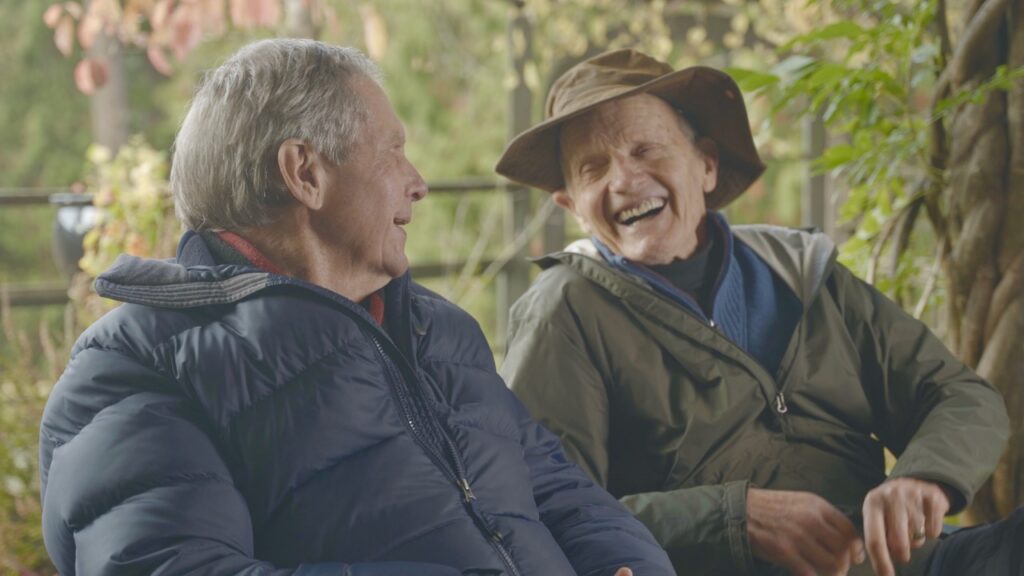
What conversations or impact do you hope the film will spark within Canadian audiences today in terms of nature and environmental responsibility, considering it is being released within Earth Month?
Earth Month could not be a more fitting time to release ‘The Art of Adventure’. Our film is really a passing of the torch to young people – Robert and Bristol have made such an impact in terms of protecting our planet, and now it’s time for others to take the ball and run with it.
Photo Credit: Game Theory Films.