They say that every film that gets made is a small miracle, and in the case of Yung Chang’s ‘The Highway’, it seems this miracle was a large one. A collaboration, a first narrative endeavour for the Chinese-Canadian writer-director, a multilingual crew shooting predominantly overnight in the oppressive summer heat of Chongqing, China – the task at hand was far from simple. ‘The Highway’ was born from a personal experience that has haunted Chang for over a decade: witnessing a dead body on the highway in Chongqing.
Chang, who is best known for his Emmy-nominated documentary work, brings together an outstanding creative team for his narrative debut, including cinematography by Chris Lew, CSC (Riceboy Sleeps), editor Xi Feng (Universal Language), producers Dan Montgomery (MDFF) and Yimin “Fanfan” Zhuang (Flying Sparrow Films), as well as his own production company (Yungfilms). Against the odds, this film has made it to the big screen – a creative triumph, premiering this month at TIFF 2026, and an unforgettable entrance into the world of fictional filmmaking for Chang.
Rachel Martin chatted with Yung Chang, his Beijing-based producer Yimin “Fanfan” Zhuang, and their internationally acclaimed lead actress Lu Huang about the journey of bringing this story to the screen.
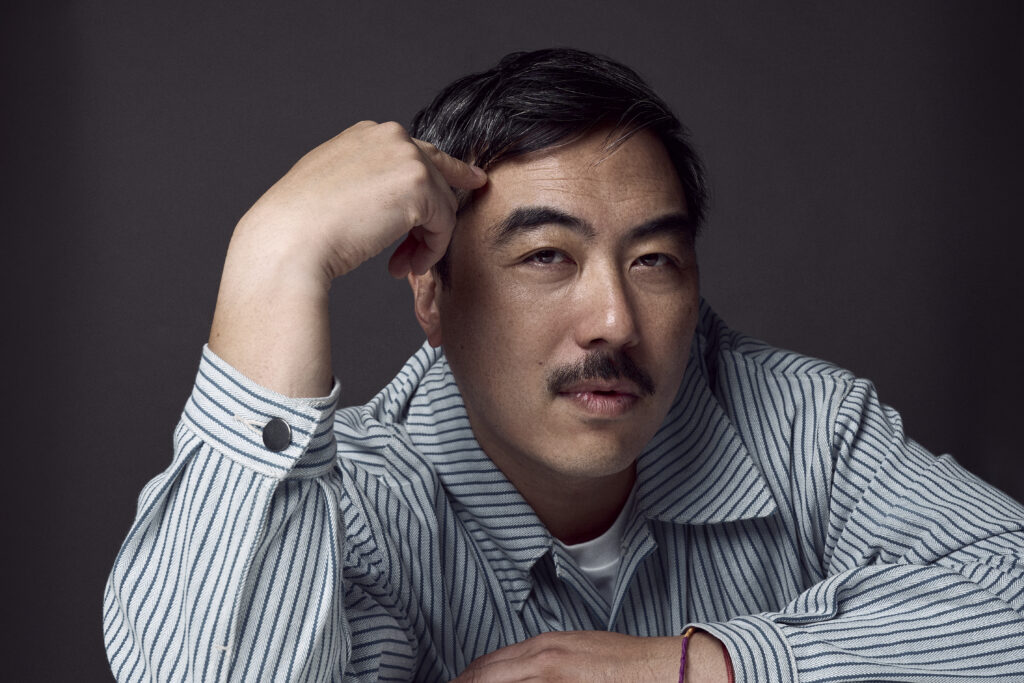
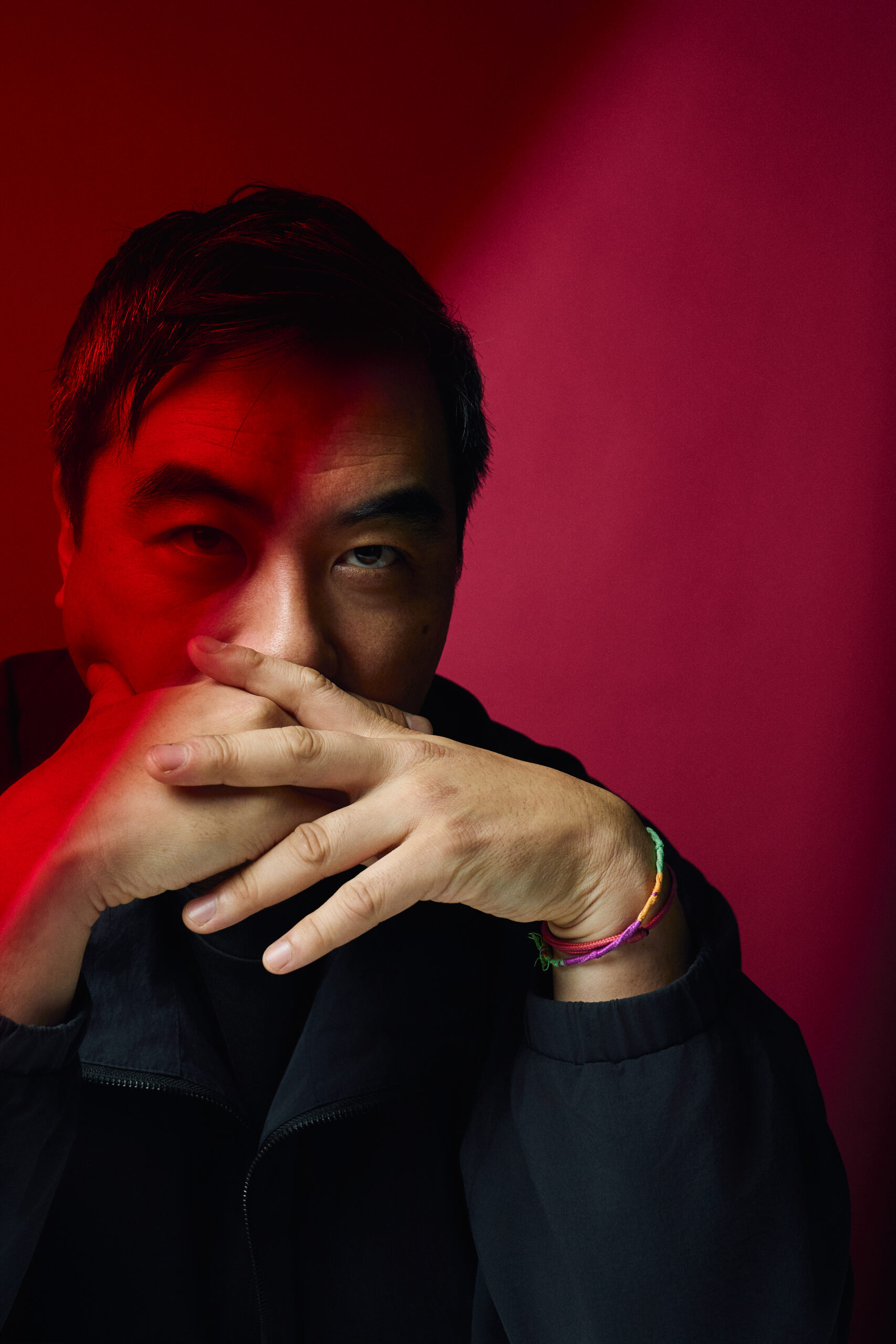
In This Photo: Filmmaker Yung Chang
Photo Credit: May Truong
The film comes from something you witnessed more than a decade ago in Chongqing: your taxi passed a man who had been killed on a newly constructed highway, the driver didn’t stop, and you continued on to catch your flight. You write that what haunted you wasn’t only the man’s death, but how easily life continued afterwards. What was it about that particular experience that refused to leave you – and when did you realize that the only way to process it might be to turn it into a film?
Yung Chang: The dead body was a farmer who was struck and killed trying to get to the other side of his farmland that had been intersected by this new mammoth highway. The taxi driver said that this was a regular occurrence. That experience stayed with me because of how ordinary the aftermath felt. The driver did not stop. I did not insist that he stop. I caught my flight, and the machinery of daily life continued as if this man’s death were merely an obstruction on the road. I kept returning to my own inaction and wondering what responsibility I had toward a stranger whose suffering briefly entered my life.
For years, I did not know what form that feeling should take. I knew I did not want to recreate the accident or make a literal account of what happened. The film began when I asked a more psychological question: What if someone continued physically, but could not leave the moment behind? Boss Li is not exactly me, but she carries that question. What if I had stopped? What if I had gone back? Would returning have changed anything, or was I imagining that I could relieve myself of guilt? That made the filmmaking deeply personal. It also made it difficult, because the film could not offer me, or Boss Li, an easy form of absolution.
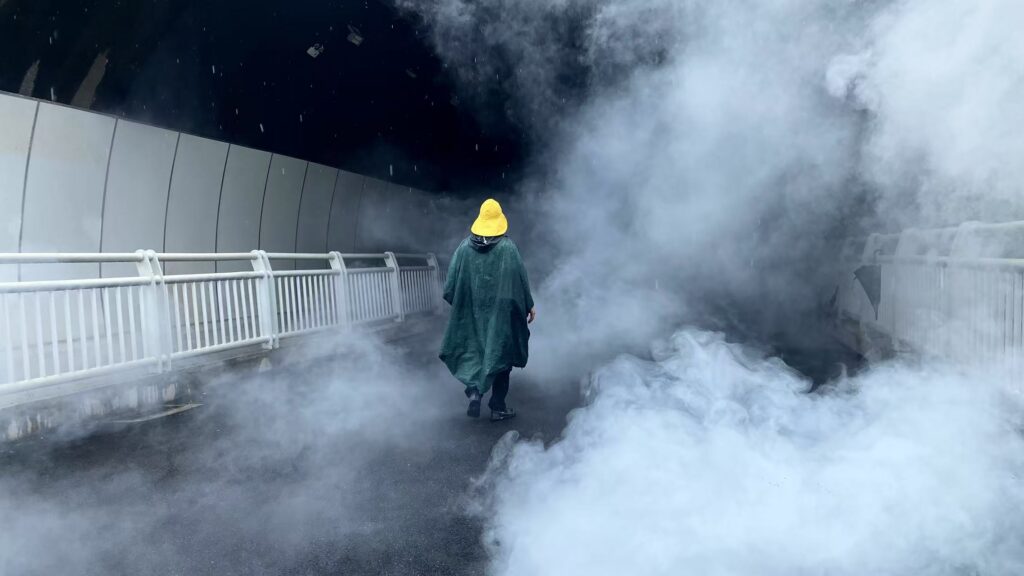
Behind-the-Scene Still From ‘The Highway’
Courtesy of Yungfilms
CITY AS CHARACTER
You’ve been travelling to Chongqing for more than 20 years, lived there while making ‘Up the Yangtze’, and watched it transform dramatically. You describe the city as almost futuristic today, while older ways of life can exist only kilometres away. Did you feel that you were also making a film about Chongqing itself – a city caught between extraordinary modernization and the lives and traditions that modernization can leave behind?
Yung Chang: Chongqing is absolutely a character in the film. I have been travelling there for more than twenty years, and I lived there in 2006 while making ‘Up the Yangtze’. Even then, the city felt surreal to me, with its enormous bridges, mountains, mist and Blade Runner-esque skyscrapers. Today, it feels ultra-futuristic. But what fascinates me is how quickly that futuristic landscape can give way to something much older. You can drive only a few kilometres from a dense urban centre and encounter farmers, epic natural landscapes and ways of life that have existed for generations. These worlds are physically close, but economically and socially they can feel very far apart.
I did not want to romanticize the rural landscape or suggest that modernization is inherently wrong. I was interested in the collision between these realities. The highway creates connection, speed, and opportunity, but it can also cut people off from their land and make their lives more precarious. That tension has appeared throughout my work, particularly in Up the Yangtze. The scale of transformation is extraordinary, but I am always drawn to the individual lives caught inside it.
The film was shot on location in Chongqing, a city of more than 30 million people, and the highway is essentially one of the film’s main characters. What was the biggest production challenge of filming this story in Chongqing? Was there a particular day or sequence where you thought, “How are we actually going to pull this off?”
Yimin Zhuang: Roughly 80 percent of all shots in the film were scheduled for nighttime, the vast majority of them exterior scenes. Filming took place in the height of Chongqing’s summer, the hottest period of the year, and the extreme heat posed an enormous test for us. On top of that, our night-shooting window was extremely limited; once dawn broke, we could no longer keep filming. We therefore had to work through the night, racing against the clock at every turn.
During production, I worried nearly every day whether we could successfully complete our shooting schedule. It was an intensely high-stress process, but fortunately we got everything done. We could not do it without every crew member and their dedication and professionalism.
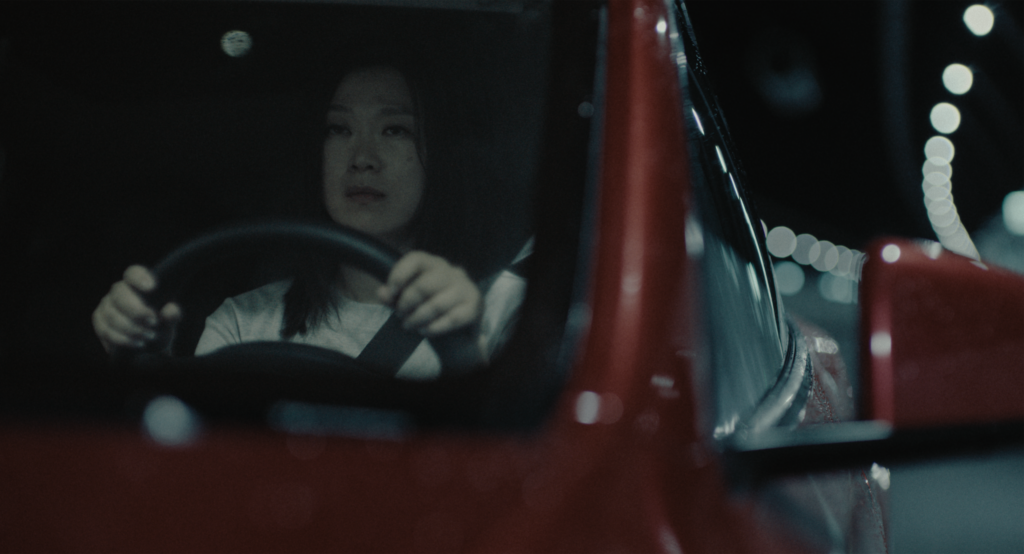
Film Still from ‘The Highway’
Courtesy of Yungfilms
THE MAKING OF ‘THE HIGHWAY’
This is your first fiction film after years of making documentaries, including ‘Up the Yangtze’ and ‘Wuhan Wuhan’. You write that documentary taught you to observe before interpreting, trust silence, and resist explaining everything – and that those instincts shaped the film. What surprised you most about discovering that your documentary instincts were actually strengths when you moved into fiction?
Yung Chang: What surprised me was how transferable my documentary instincts were. At the Sundance Directors Lab, I initially wondered whether I was even capable of directing fiction. But I gradually realized that twenty years of documentary filmmaking had trained me to pay attention to behaviour, atmosphere and the unexpected. Documentary taught me to observe before interpreting. It taught me that silence can contain enormous emotional complexity and that explaining less can sometimes allow an audience to feel more. Those instincts became central to the film, particularly in working with Lu Huang. So much of Boss Li’s journey happens internally. Lu can communicate thought with almost no dialogue, and I wanted to give her performance the space to breathe. Documentary also teaches you to adapt. Fiction is meticulously planned, but once production begins, locations change, time disappears, and reality intervenes. I discovered that preparation and spontaneity are not opposites. The planning gives you a structure, while documentary experience helps you recognize the unexpected moment that may be more truthful than the one you imagined.
You oversaw the Chinese production and were instrumental in bringing together the Canadian and Chinese creative teams. What did it take to bring those two filmmaking cultures and production teams together, and where did you find the biggest differences in the way the film was approached?
Yimin Zhuang: This film represents a collaboration I had personally hoped to be part of for a long time, and I’m really grateful that it finally came together. As the film’s director, Yung has a deep understanding of China … he brings a real familiarity with the country, its people, and the connections between them. This short film was also an important step toward Yung’s upcoming feature, Eggplant. It gave the Canadian and Chinese teams a chance to work closely together, get to know each other’s ways of working, and build the foundation for the feature. I was really happy to be able to help bring these two filmmaking communities together.
Only three key creatives travelled from Canada for the shoot: Yung, our director of photography Chris, and our producer Dan. We completed the crew with an outstanding group from China. The Chinese crew was incredibly experienced, rigorous, and practical, while the Canadian team brought a lot of creative energy. Throughout production, everyone trusted and respected one another, working in great harmony. This shared collaborative journey is sincere and invaluable.
Despite daunting obstacles, relentless summer heat, overnight shoots, troublesome insects on exterior locations, and a compressed production schedule, the whole crew withstood immense pressure and delivered remarkable results.
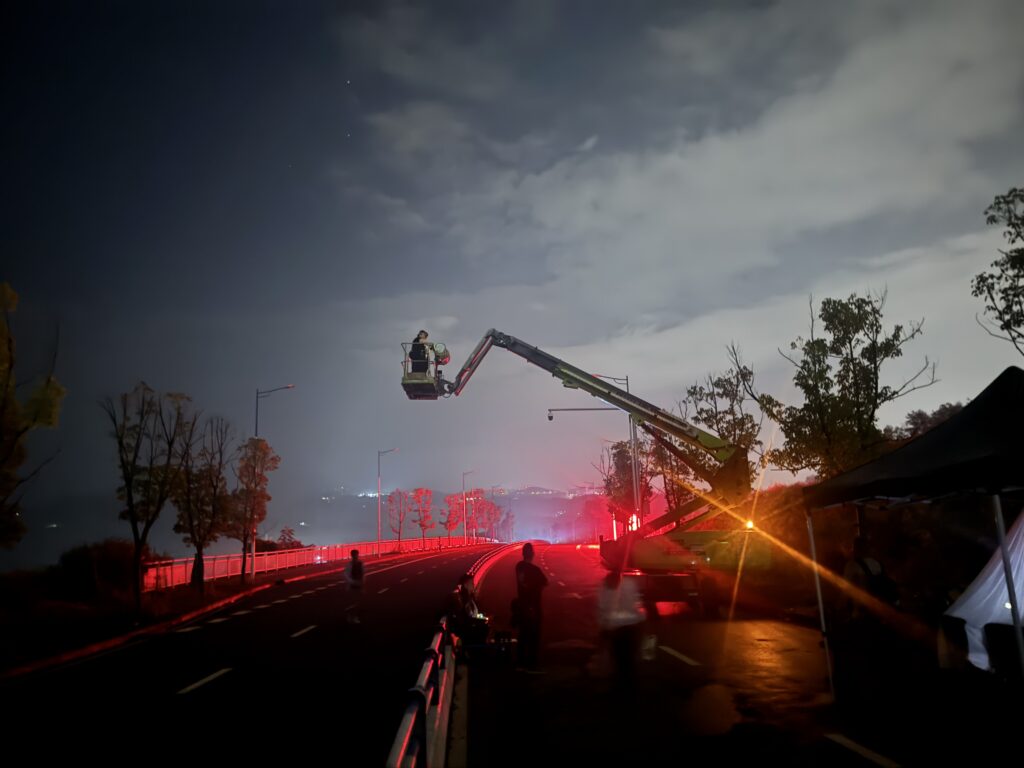
Behind-the-Scenes Still From ‘The Highway’
Courtesy of Yungfilms
What was the biggest challenge you faced as a producer during production?
Yimin Zhuang: Everything felt full of unknowns and uncertainties, given our harsh-on-site conditions. We had to rig lighting along mountain trails out in the wilderness to illuminate entire hillsides, while executing numerous moving camera shots, all after dark. What moved me deeply was how much every single team member cared about this project. Everyone gave their absolute best under such difficult circumstances. I am so grateful to them all, and together we made it through.
CREATIVE CORE
Boss Li goes through an enormous psychological journey, but much of it happens internally as there is more silence than dialogue. As an actor, how do you play something that the character herself isn’t necessarily saying or even fully understanding? How did you pace yourself emotionally across the film without giving too much away too early?
Lu Huang: Yes, she is largely restrained and quiet. She actually has fewer lines than other characters. Yet there is so much going on beneath the surface: her inner struggles, the sequences where she flees and sets out in search of the truth. The overall rhythm of the film, including its emotional pacing, lies with the director and the editing. For my performance, I aimed for understatement. The goal was to keep audiences from anticipating where the story would head early on.
What does the highway represent to you beyond this particular story? And what were you hoping audiences would see in that landscape – the human cost of progress, the speed at which society moves forward, or something even more personal?
Yung Chang: The highway became a metaphor for progress without reflection. It is designed to move people forward as quickly and efficiently as possible. You are not supposed to stop.
Anything that interrupts that movement becomes an obstacle, even when that obstacle is another human being. At the same time, I do not see progress itself as the villain. Highways connect people, create access and represent aspiration. The question is what happens when the desire to move forward becomes so powerful that we stop seeing who has been displaced, endangered or left behind. There is also something more personal in it for me. The highway represents the momentum of our own lives. We are all busy. We have flights to catch, families to support, and obligations waiting for us. Those pressures are real. But when does being busy become a justification for looking away? I wanted the landscape to hold both ideas at once: the promise of movement and the moral danger of never stopping.
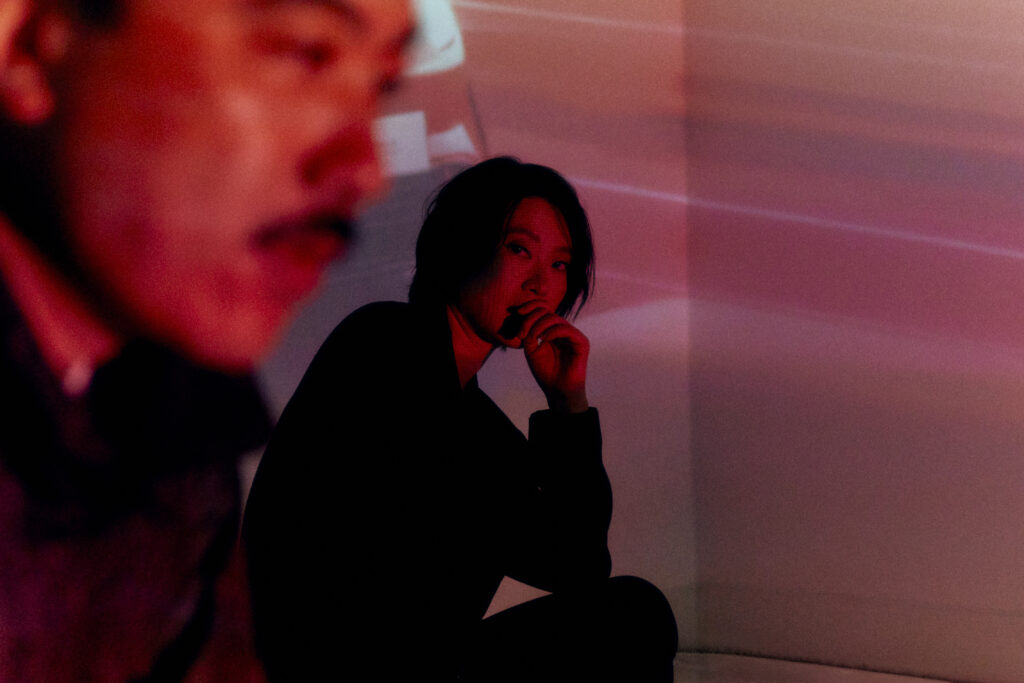
Photo Credit: May Truong
Courtesy of Yungfilms
When you first read ‘The Highway’, what was it about Boss Li that made you want to play her?
Lu Huang: Over the years, I’ve played characters whose lives have been shaped by difficult circumstances, including young women who have been abducted, sex workers, outsiders, people living on the margins of society. I felt I had explored those kinds of experiences quite deeply, so Boss Li offered me something different. Boss Li is a wealthy woman, someone who, from the outside, might seem to have everything together. That made it interesting to explore what was happening beneath the surface. What really drew me in was her distinct inner journey and the emotional shifts she experiences throughout the story. On top of that, I was excited by the director and the whole producing team, so I wanted to take on this part.
You say you wanted the film to stay with the audience “not because it provides answers, but because it leaves behind a question.” What was the question you most wanted audiences to leave the theatre carrying with them? And was there ever a temptation to give us more closure?
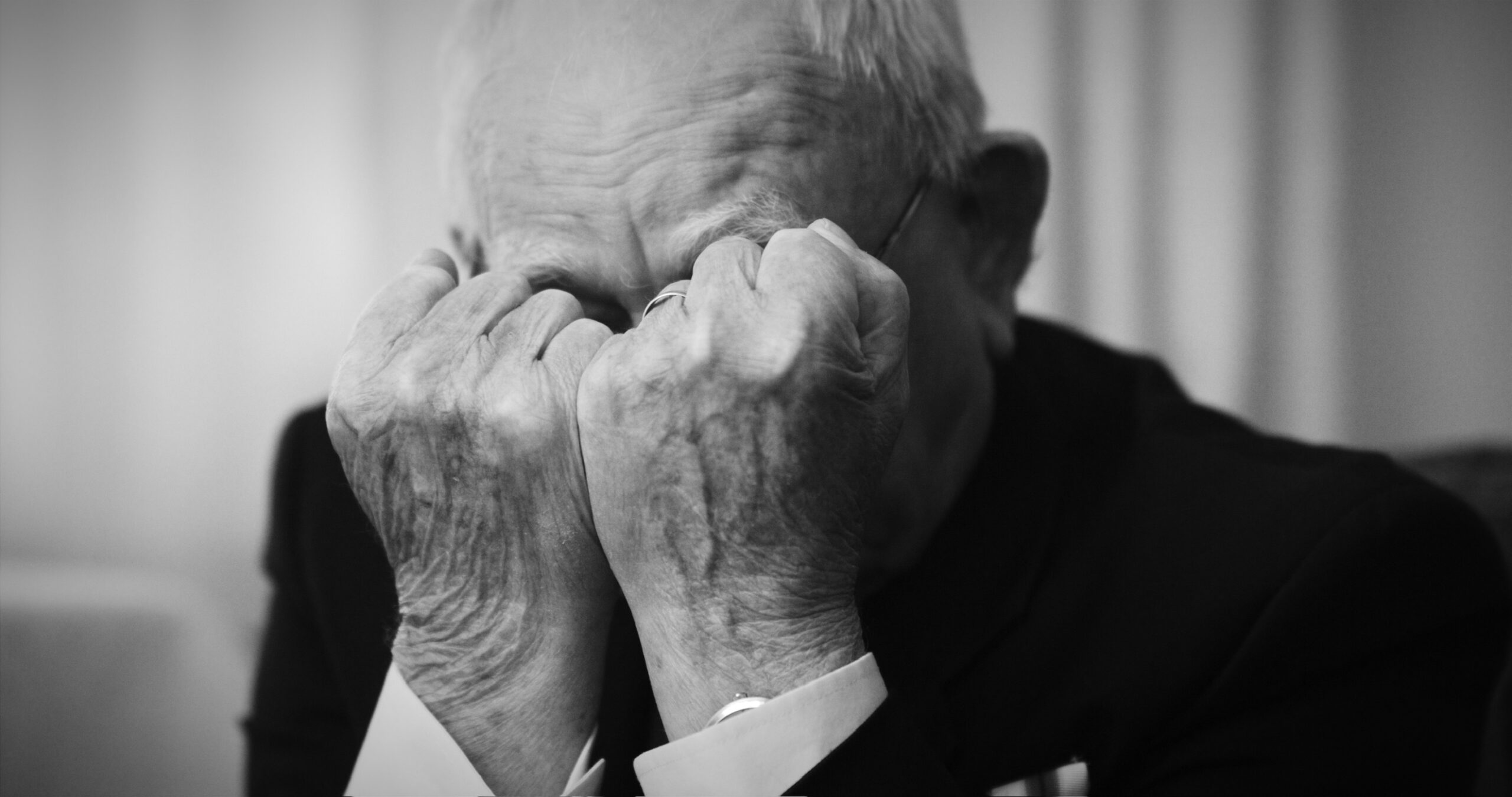
Yung Chang: The question I wanted audiences to carry with them is: What responsibility do we bear when another person’s suffering interrupts our own lives? I did not want to tell the audience exactly what Boss Li should have done or allow them to feel morally superior to her. Her decision to continue is disturbing, but it is also recognizable. Most of us have passed something we did not want to confront. We tell ourselves that someone else will intervene, that we are not equipped to help, or that our own obligations are too urgent.
There was certainly a temptation to provide more closure, particularly because audiences naturally want to know what happened and what is real. But closure would have allowed the film to release Boss Li, and perhaps the audience, too easily. I wanted the uncertainty to remain active. The film ends, but the moral experience should continue unfolding in the viewer.
‘The Highway’ was produced by Yungfilms Inc., Flying Sparrow Films and MDFF with the generous support of the Canada Council for the Arts, the Ontario Arts Council and the Toronto Arts Council.
Yung Chang Headshots Photography Credit: May Truong