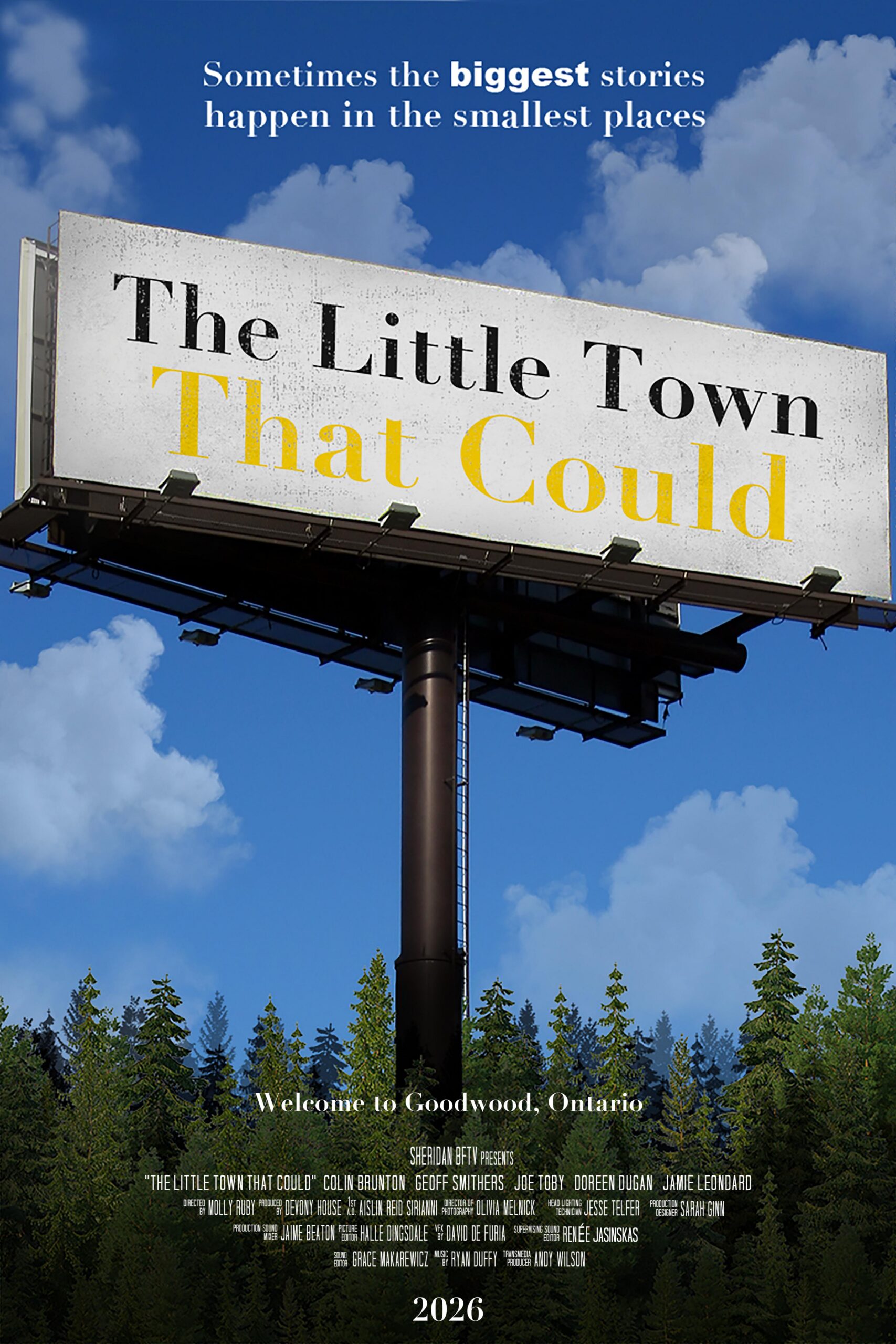
For filmmaker Molly Ruby, ‘The Little Town That Could’ began with a familiar landmark and evolved into a story about the people and community behind it. Set in Goodwood, Ontario, the short documentary explores how the small town’s role as a filming location for the beloved series ‘Schitt’s Creek’ shaped the community and became part of its history. Rather than focusing solely on the nostalgia surrounding the show, Ruby turns her lens toward the residents who experienced its arrival firsthand, exploring the ways a fictional world became intertwined with the identity of a very real town. A recent Sheridan Film & Television graduate, Ruby draws on her own connection to small-town Ontario to uncover the stories hidden behind recognizable places. Her approach resonated with audiences and jurors alike, earning ‘The Little Town That Could’ both the Audience Choice Award for Best Short Film and Best Student Film at the 2026 Oakville Festivals of Film and Art (OFFA). In this interview, Shwayta Sharma chats with Ruby about discovering Goodwood’s story, finding the emotional heart of the documentary, and what her first major documentary experience taught her about community, storytelling, and the unexpected impact a place can have on popular culture.
What first drew you to Goodwood’s story, both as a real community and as the iconic setting of ‘Schitt’s Creek’? When did you realize there was a documentary waiting to be made?
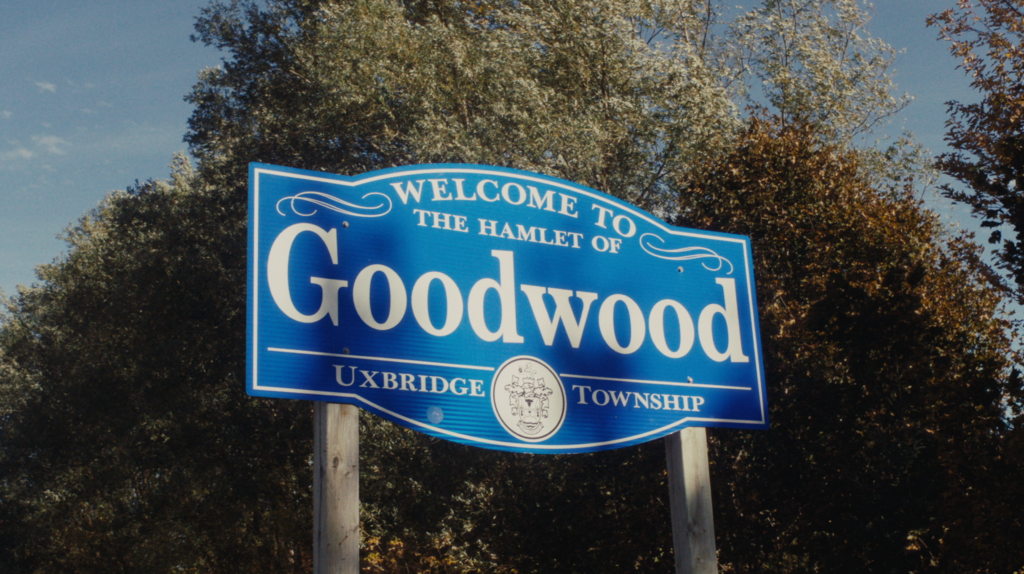
Being born and raised in Orangeville, I have always had an appreciation for what small-town living can offer. The real Rosebud Motel location was the initial spark for the idea. I originally began exploring the possibility of building the documentary around the motel, but as I continued researching, I discovered Goodwood and the incredible community behind the filming location. I realized there was a documentary waiting to be made when I began speaking with residents. The passion and pride they had when sharing what Goodwood meant to them was incredibly moving. It became clear that this was not just a story about a television production, but about a community with its own history, personality, and sense of identity.
The film shines a spotlight on the people of Goodwood, rather than just ‘Schitt’s Creek’. Why was it important for you to tell the community’s story alongside the show’s legacy?
The documentary’s focus has always been on the people whose home was unexpectedly changed by this global phenomenon. Growing up near the Rosebud Motel location, I remember hearing friends and family talk about the mystery of the filming, the production trucks arriving, and the excitement of seeing movie magic happen in our own backyard. What drew me to ‘Schitt’s Creek’ was the same thing that drew millions of viewers to the show: the importance of community. I felt it was important to revisit the experiences of the people who were able to witness that magic firsthand and explore how a fictional town became connected to a very real one.
What was the process of researching and finding the residents featured in ‘The Little Town That Could’?
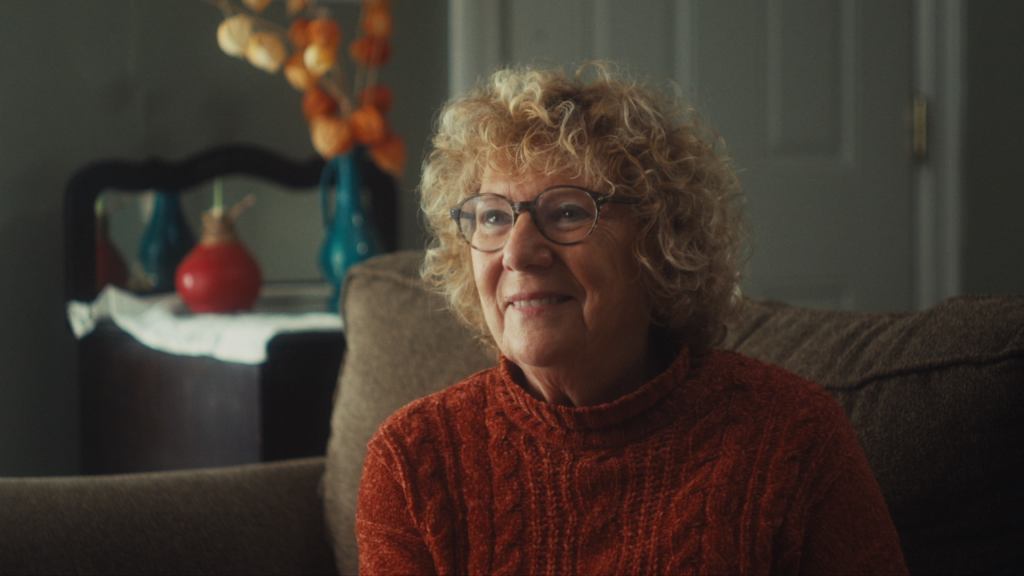
I drove down to Goodwood in May 2025 and parked at Annina’s Bakery, not realizing it would later become crew parking during production. From there, I walked to Goodwood Mercantile and introduced myself to Jamie Leonard, the owner. Instantly, I could tell how much he cared about the space and the history behind it. From there, I met Cameron Jeffery, Goodwood’s unofficial tour guide, who introduced me to Doreen and Joe Toby. Everyone I met was incredibly welcoming and willing to share their experiences. I’m incredibly grateful that they trusted a film student with their stories and allowed me to become part of the community for this project.
Was it difficult deciding which residents and stories would make it into the final film? How did you decide which stories would remain a part of your final narrative?
The hardest part was not not finding stories; it was deciding which stories could fit within the final runtime. Every person I interviewed brought a unique perspective, and the challenge became finding the emotional thread that connected everyone. I always knew that the voices of the community needed to be balanced with perspectives from the production side. The residents tell the story of what it felt like to experience this moment, while the crew provides insight into how this unique filming environment came together.
After speaking with longtime residents, what surprised you most about Goodwood’s relationship with ‘Schitt’s Creek’ and the impact the series had on the town?
What surprised me most was how naturally the town embraced the production. I expected people to talk about the excitement of having a television series filmed there, but instead they spoke about the relationships they built with the cast and crew and the sense of pride they still feel years later. It became clear that Schitt’s Creek wasn’t just something that happened in Goodwood; it became part of the town’s history. What interested me most was how the community managed to celebrate that chapter while never losing sight of its own identity.
What were some of the biggest creative or production challenges you faced while making ‘The Little Town That Could’, and how did you overcome them?
The biggest challenge was shaping so many incredible stories into a single film. Every interview offered a unique perspective, and there was far more material than could ever fit into the final runtime. The editing process became about finding the emotional thread that connected everyone while making sure each story served the larger narrative. As a first-time feature documentary director, I learned to trust the edit, make difficult decisions, and stay focused on the heart of the film. In the end, those challenges helped me create a documentary that feels cohesive while still reflecting the warmth and character of the Goodwood community.
How did you strike a balance between celebrating the nostalgia of ‘Schitt’s Creek’ while ensuring the documentary remained an authentic portrait of Goodwood itself?
The way I maintained that balance was by focusing on the same thing that made ‘Schitt’s Creek’ resonate with audiences in the first place: community. Growing up near the Rosebud Motel location, I remember that people were always fascinated by the production itself—the trucks arriving, the filming process, and the excitement of seeing something so unique happen close to home. The interest was never just about celebrity or fame; it was about being part of something special. Keeping that perspective allowed me to create a film that celebrates the legacy of the show while remaining grounded in the real people and experiences that shaped Goodwood. Tapping into those thoughts helped me keep the structure of the film focused and new.
Were there any interviews or moments during production that completely changed your perspective or the direction of the documentary?
Yes! I instantly think about my interview with Jamie Leonard. The way he spoke about the LGBTQ communities that have been positively affected by the show really brought the story from a cute film about the town into a deeper and more emotional rhythm. It completely changed how I was planning to wrap up the story. Ending the film on a more sentimental note was not something I planned, but something I was so happy that I did.
As a recent Sheridan Film & Television graduate, what did directing your first documentary teach you that couldn’t be learned in the classroom?
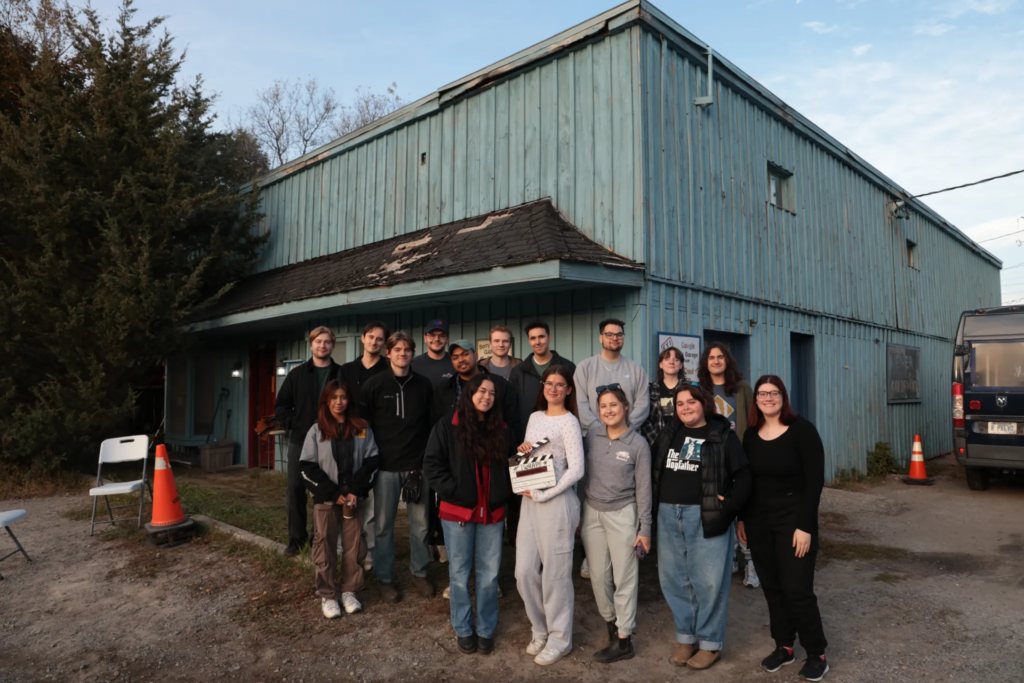
Sheridan gave me the foundation and tools to tell this story, and I owe so much to my professors, the program, and the incredible crew who helped bring this idea to life. However, directing outside of the classroom taught me the importance of persistence, adaptability, and pushing beyond my comfort zone. Documentary filmmaking requires you to trust people, solve problems quickly, and continue moving forward when things don’t go exactly as planned. Those lessons are ones I could only learn by stepping into the real world and making the film.
What do you hope audiences take away from ‘The Little Town That Could’ after they watch the film?
I want audiences to see how it’s really about the small things in life that end up becoming the most meaningful. To never underestimate anyone or any place; the place or person may start small, but through hard work and commitment, any small idea can blossom into something big as long as the community is willing to take it there. At its heart, ‘The Little Town That Could’ is about recognizing that meaningful stories are not always found in the biggest places or moments. Sometimes the Biggest Stories Happen in the Smallest Places.
Quick Takes
What projects are you currently pitching or developing?
Alongside the festival and distribution journey of ‘The Little Town That Could’, I’m developing my next documentary, which explores the story behind the flooded original ‘Teletubbies’ set in England. Like my first film, it’s inspired by the hidden stories that exist behind places many people recognize but rarely think twice about.
What stage are these projects in (writing, pre-production, post-production)?
‘The Little Town That Could’ is currently on the festival circuit while I pursue distribution opportunities. My next documentary is in the early research and development stage as I begin exploring access, archival material, and potential interview subjects.
What kind of collaborators are you looking for right now? (writers, actors, producers, crew, etc.)
I’m always looking to connect with documentary producers, cinematographers, editors, and archival researchers who enjoy uncovering unique stories and bringing overlooked histories to life.
How can people get in touch if they want to collaborate or learn more?
Connect with me on LinkedIn or through email. My LinkedIn is Molly Ruby, and you can contact me through my email is Mollyruby977@gmail.com. I’m always happy to connect with other filmmakers and anyone interested in documentary storytelling.
Are you looking for submissions, funding, or other opportunities?
I’m currently looking for festival, distribution, and broadcast opportunities for ‘The Little Town That Could’, while seeking development support and industry connections for my next documentary.
Any upcoming events, screenings, or launches readers should know about?
‘The Little Town That Could’ will continue its festival run throughout the year, with future screenings and project updates shared on my social media channels. I’m also looking forward to sharing more about my next documentary as development progresses.