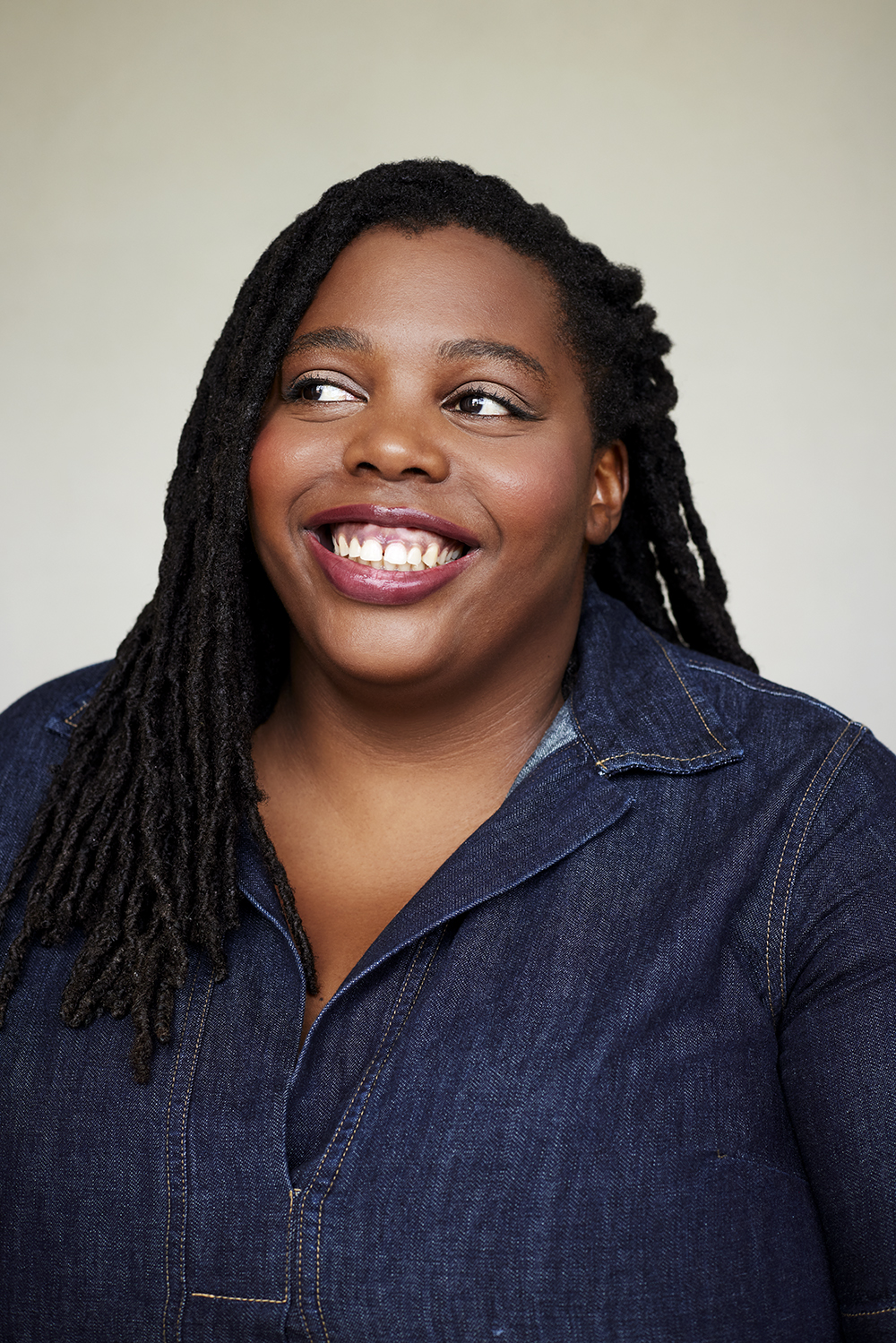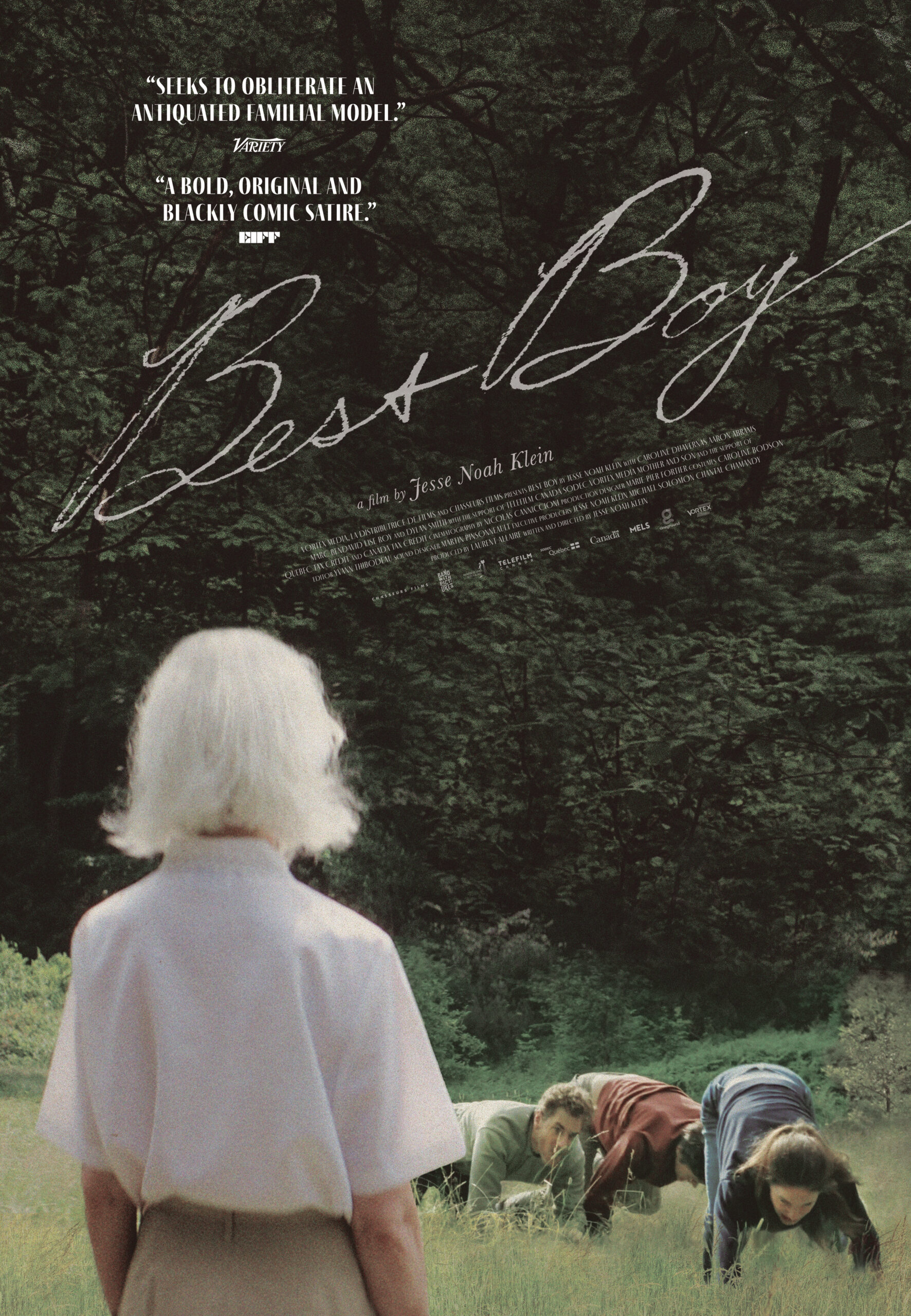
Family rivalry has long been a staple of cinema, but few films push it to the darkly absurd extremes of ‘Best Boy’. Written and directed by Montréal filmmaker Jesse Noah Klein, the Canadian black comedy-psychological thriller follows three estranged siblings who reunite after their father’s death to compete in a series of increasingly outrageous challenges for their inheritance, forcing old wounds and buried resentments back to the surface. Following its theatrical release on May 29 and digital/VOD release on July 7, ‘Best Boy’ blends biting humour with emotional depth, examining inherited trauma, identity, and the lasting grip of family dynamics. In this article, Shwayta Sharma chats with Klein to discuss drawing from his own upbringing, crafting a bilingual family drama through the lens of genre, collaborating with an acclaimed ensemble cast, and finding the delicate balance between satire and sincerity.
At the Quebec premiere of ‘Best Boy’, you jokingly told the moderator to ask your parents where the inspiration for this twisted family thriller came from. How did growing up as the youngest of four in a hyper-competitive hockey environment shape the ‘eat-or-be-eaten’ spirit of ‘Best Boy’?
I am the youngest of four, so there were always a lot of voices, a lot of opinions flung around the dinner table. Who talks, who listens. I think I naturally had the habit of hanging back and watching. My brothers are both about a decade older than I am, and both of them are artists, so I think the spirit of competition followed us into our adult years as well. But it’s all good; it’s all healthy. We all get along. I think sibling rivalry is inherent in any and all families; I just decided to mythologize it here.
‘Best Boy’ suggests that abuse doesn’t always end when the abuser is gone. It can become a set of rituals that people continue to perform. How did you approach portraying inherited trauma without reducing the characters to simply victims of the abuse they faced from their father?
We carry everything around with us. The good and the bad. We have to decide what we are going to do with it. Each of the three siblings has their own unique reaction to their trauma. One seeks to become the father. One moves as far away as they can. And one remains a child. But everyone is more than one thing. And I wanted each of the actors to feel their character’s lives were fully constructed before production began. Do these people have friends? What are their hobbies? Each choice, every detail, is important.
The middle sibling, Philip, is a woman whose late father denied her womanhood, giving her a masculine name and raising her as a boy. Why was it important for the narrative to have a daughter battle her brothers, Lawrence and Eli, for a title (‘Best Boy’) that explicitly denies her identity?
Having a girl named Philip shows the lengths the father will go to assert his dominance and imprint his way of life on his children. That’s what the story is about. The father says “the world is like this,” and his wife and children are not allowed to question it. Philip is denied her freedom to assert her own identity, but this is true for Lawrence and Eli as well. It is just more pronounced, and in a sense more tragic, than with her brothers. Each of the siblings has their own reason for why they want to win the ‘Best Boy’ Competition. And Philip, despite moving away, despite knowing how ludicrous it all is, wants to win as much as anyone. Maybe even more.
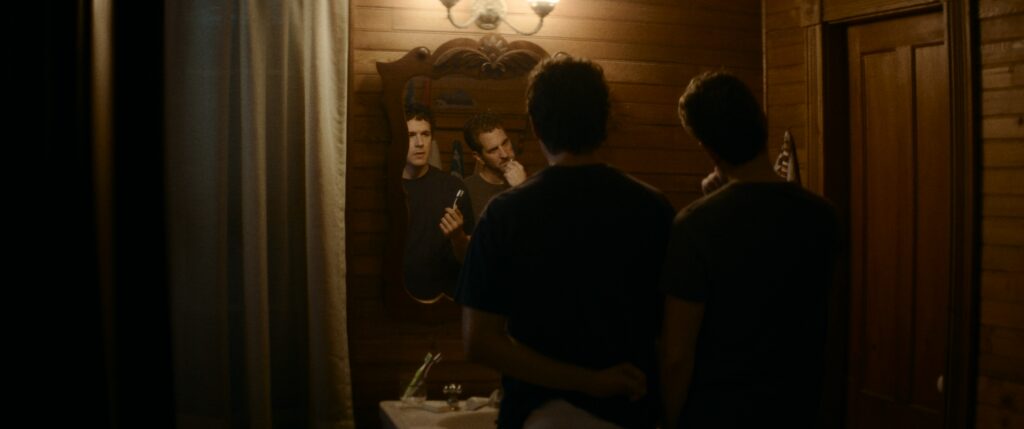
The abusive patriarch is heavy in the narrative, yet he never actually appears on screen. How did you and cinematographer Nicolas Canniccioni use high-angle, “fish-eye” lenses to turn the camera into a cold, lingering surveillance tool representing his ghost?
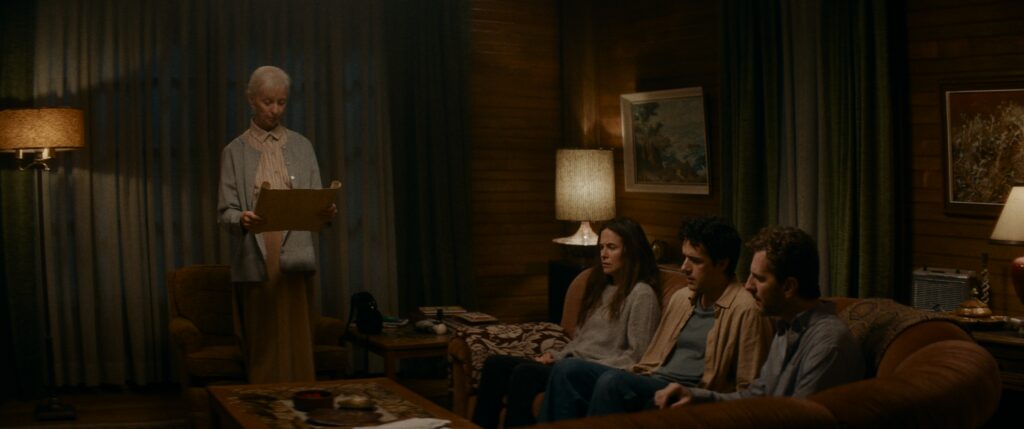
Yes, the high-angle shots are a recurring visual technique. Their summer home is so fraught; it is a place that carries so much emotional baggage. Our cinematographer Nicolas Canniccioni and I discussed at length how to use the space to bring out the film’s themes. We knew we wanted to shoot anamorphic and that the camera would be locked down for most of the film. Then it became about where we put the camera to best tell this story. There are very few close-ups in the movie. We wanted to maroon these people together, to enclose them, and have the audience watch as if they are in a fish tank. The high angle added a haunted element that we felt fit well.
The family cabin almost feels like another character. It’s filled with memories, rules, and emotional baggage. How did you and cinematographer Nicolas Canniccioni use the space to reflect the psychological state of the family rather than simply serving as a location?
This was not their childhood home. This was their cottage, their country house. And this is where the ‘Best Boy’ Competition took place. So, it was natural to weigh this place down with these traumatic memories. The memories we see in photographs largely take place there, so they feel there is no escape from their past. The location is immense, but much of the interior is dark wood, and so despite its grandiosity, there is a claustrophobia. This contradiction creates a tension that is explored in the narrative. The lighting is warm, as it would be in a home, but there is something off. This is a place that should feel safe and inviting, and yet through framing and the meticulous production design by Marie-Pier Fortier, there is an underlying menace.
Nearly the entire film depends on the chemistry between four family members with decades of complicated history. What rehearsal process did you use with Aaron Abrams, Caroline Dhavernas, Marc Bendavid, and Lise Roy to make those relationships feel lived-in before the cameras rolled?
It was a lucky, unforeseen circumstance that there were pre-existing relationships among the cast. Caroline had worked with both Lise and Aaron before. I had numerous one-on-one meetings with all four cast members. We slowly and methodically went through the script line by line, beat by beat. Then, we had two days of rehearsal. And in those two days, the five of us went through the whole script together. Putting it on its feet, to use the term from theatre. This is the time when I am open to improvisation. There were definitely some changes made then. I prefer to do this in pre-production because time is so precious during the production that I think it’s crucial everyone is on the same page, making the same movie together. That’s what we did here, and I think it worked well
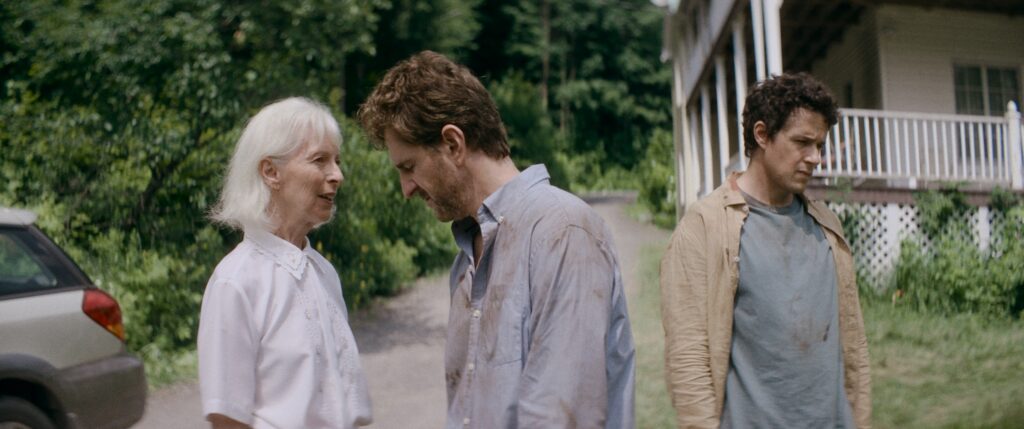
During rehearsals, you went through the script line-by-line to decide which dialogue should be in English versus French. How does this bilingualism shape the power dynamics within the Seligman family?
This is the second film I’ve made that deals with Québec’s bilingualism. It’s such an integral part of how I live here; it just naturally seeps into my work. Once I began working with Lise, we discussed at length what she would say in French and what in English. Anne, her character, uses French as a defence mechanism, the language in which she is most comfortable. Her son Lawrence does not speak it, and she knows this, so she is essentially excluding him if she speaks in French in front of him. Lise and I made a number of changes as to when Anne speaks in English and French. But the character is comfortable in both languages. I remember some decisions were aesthetic as well, such as when toward the end of the film Anne says, “I wasn’t as brave as you.” Lise wanted to say “brave” in English because she felt it was more powerful.
The film asks audiences to accept some wildly absurd situations, yet the emotional dynamics feel painfully recognizable. Was there a specific point in the writing process where you found the balance between satire and your own sincerity to the topic of the film?
That balance between irony and sincerity is key. Families are absurd. Some interactions do strain, driving us close to the brink. I wanted to flirt with violence in this film, but not go over the edge into a full genre blood fest because I do not feel that would be true to my family, or anyone’s. Being in a family is often dysfunctional (to go back to the Tolstoy line), and at times it can be truly frightening, but something always brings us back from the edge of disaster. And that thing is love.
Canada often produces intimate family dramas, but ‘Best Boy’ filters those themes through black comedy and psychological thriller elements. Do you think Canadian filmmakers are becoming more willing to use genre as a way of exploring emotionally complex situations?
David Cronenberg is someone who has used horror in many different ways throughout his career to explore themes that are deeply personal to him. While his work is not a direct influence on mine, the way he uses the genre has always been fascinating to me, and, indeed, inspirational. Another example, this time among my contemporaries, is Grace Glowicki. Her work moves into a more genre space while remaining deeply intimate. That said, I love intimate family dramas; I could watch them forever.
QUICK TAKES – Short, one-line answers (similar to rapid fire):
– What projects are you currently pitching or developing?
My next film is called GLORIOUS AND FREE.
– What stage are these projects in (writing, pre-production, post-production)?
We are deep in the development stage.
– What kind of collaborators are you looking for right now? (writers, actors, producers, crew, etc.)
Always open to new collaborators. I have several other projects I am developing simultaneously.
– Are you looking for submissions, funding, or other opportunities?
We will be submitting for production funding for GLORIOUS AND FREE, and I will be applying for development financing for my other projects.
– Any upcoming events, screenings, or launches readers should know about?
‘BEST BOY’ will next play at the Knowlton Film Festival. It is now available on VOD.