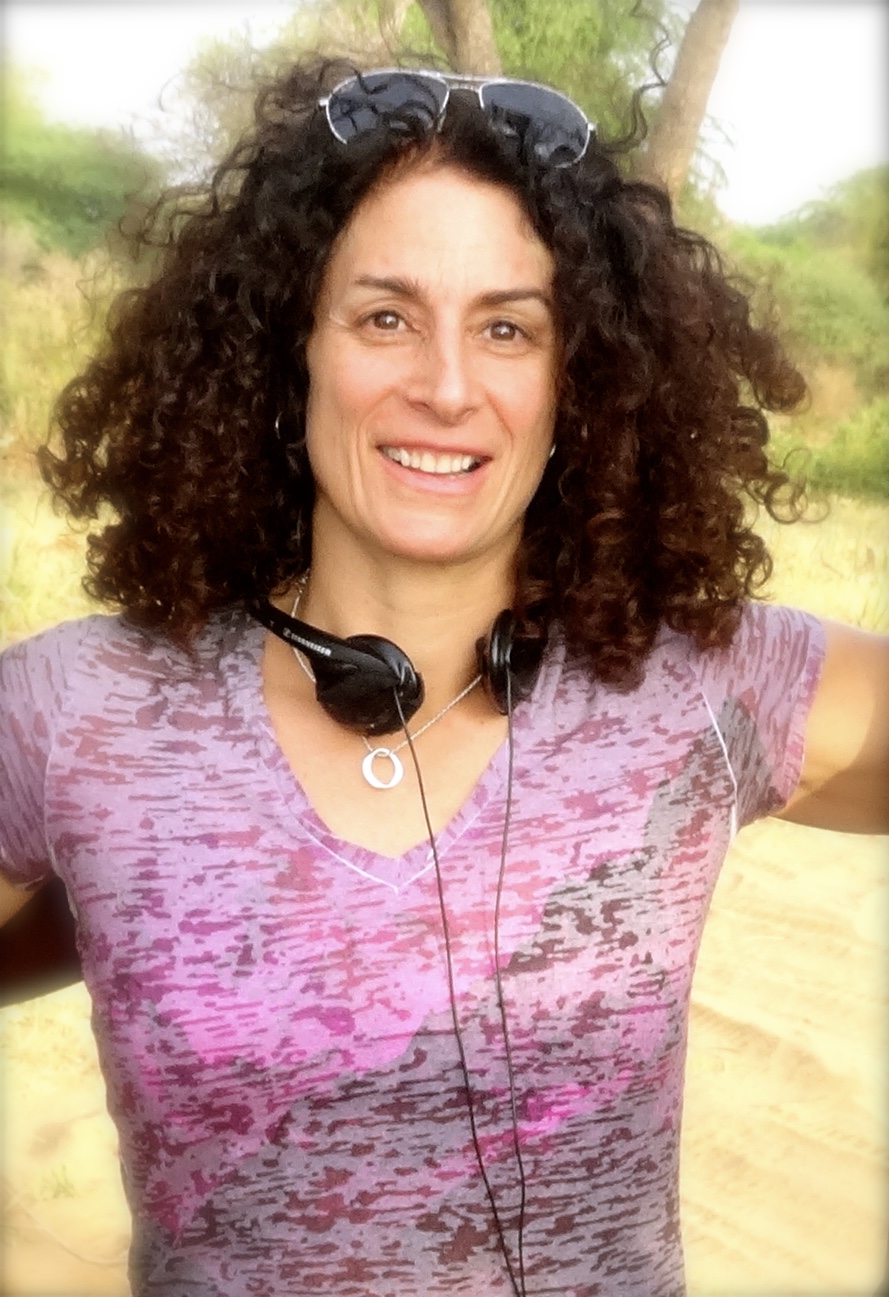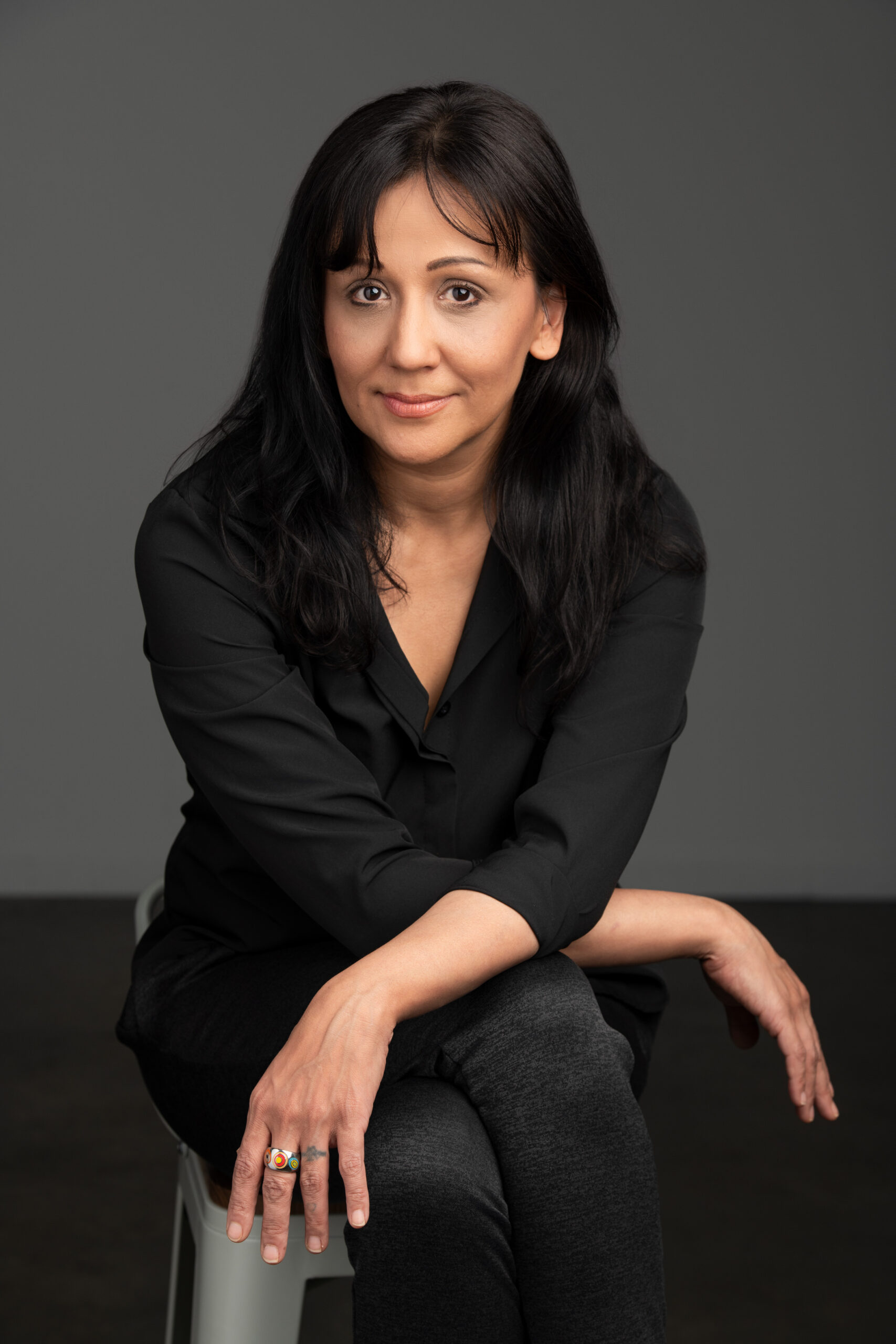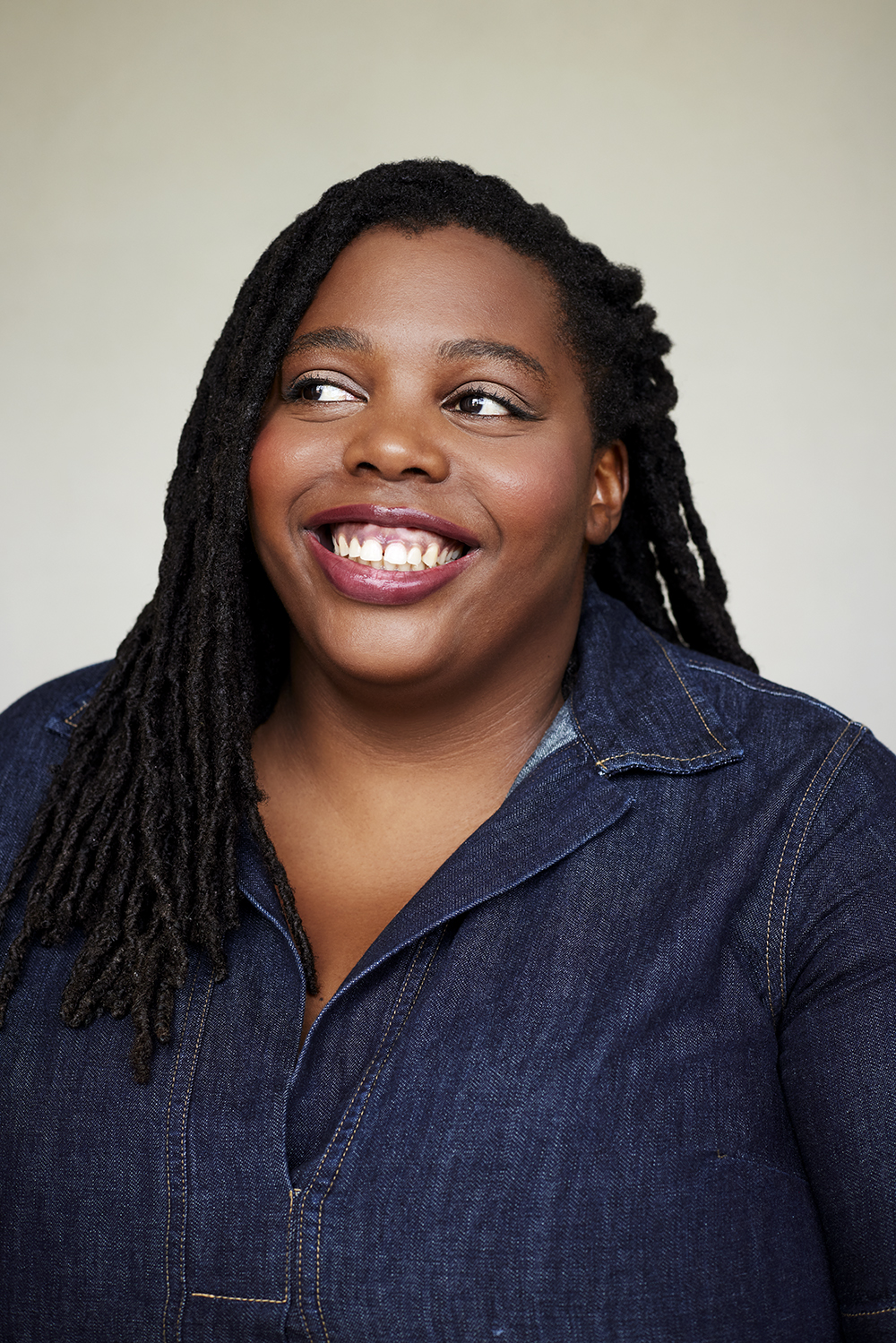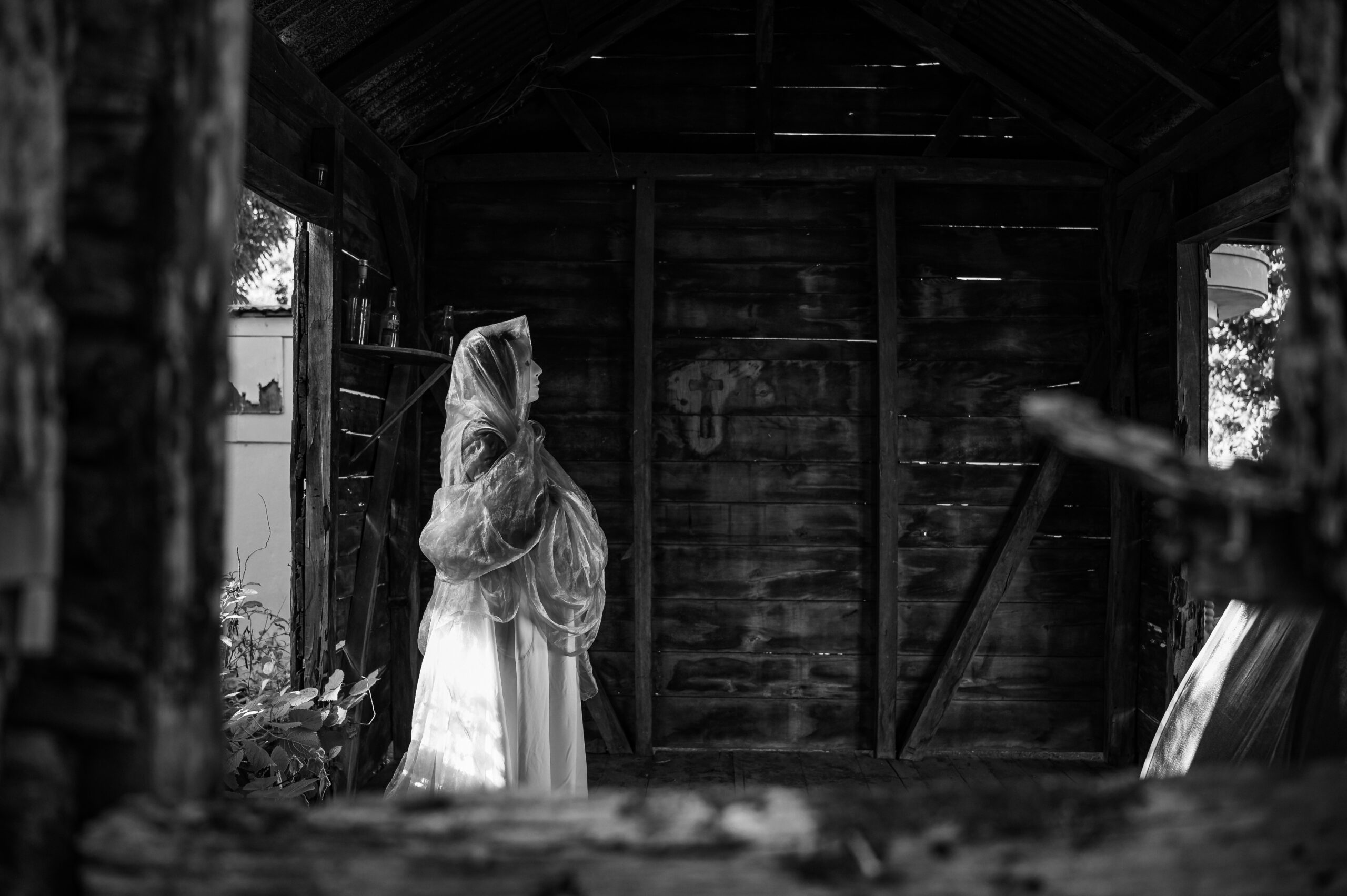
In Indivisum: Legacies Adrift, filmmaker Katia Cafe-Febrissy turns a deeply personal family conflict into a powerful exploration of history, identity, and systemic injustice.
What begins as an attempt to understand a dispute over inherited land in Guadeloupe expands into a broader investigation of colonial legal structures that continue to shape generations of families across the Caribbean.
Through intimate storytelling and lived experience, Cafe-Febrissy reveals how questions of ownership are inseparable from belonging, memory, and cultural identity.
In this conversation with Shwayta Sharma, she reflects on navigating the tension between filmmaker and family member, the ethical weight of telling such a story, and how Indivisum: Legacies Adrift became both a creative project and a step toward personal understanding and healing.
Indivisum: Legacies Adrift screened at the Hot Docs Canadian International Documentary Festival on April 30th.
What was the moment you realized your family’s dispute over land in Guadeloupe needed to become a documentary? At what point did you understand this was not only a personal story, but part of a much larger legal and historical system?
I didn’t set out to tell that story. I only wanted to understand why there was this dispute in my family over land. I wanted to know what had actually happened. I needed to understand what I was going to inherit.
The moment everything shifted for me happened during my second research trip to Guadeloupe, in the French Caribbean. Each interview I conducted, I prefaced with my own story, which is when the participants felt comfortable to share theirs. What I was hearing wasn’t just isolated stories. It was a pattern. One that other Guadeloupean families, like mine, have been living for generations. A legacy of colonization, rooted in land registries and legal structures never really built for us. Proof that we’ve always been an administrative afterthought, resulting in disputes that still fracture families across the Caribbean. At that moment, the camera stopped being a personal tool. It became necessary.
Were there moments when your role as filmmaker and family member came into tension with one another?
The tension in my family never really resolved, it deepened. As a family member, I wanted to react so many times. As a filmmaker, I held space, I listened with as little judgment as possible, I let the story take shape. There was a constant inner battle between the family member and the filmmaker in me. However, as important as it was to make that film, I chose safety over story. Whilst it did not bring reconciliation in my family, if INDIVISUM: Legacies Adrift sheds some light on this delicate subject matter, and sparks the desires in family to heal, then my job as a filmmaker is done.
The film connects present-day inheritance conflicts to legal structures rooted in colonial history. How did you trace that connection? What surprised you most about how the inheritance system in Guadeloupe actually operates in practice?
The connection revealed itself gradually, through the people I spoke with mostly, as there was very little documentation available. What I found was scarce.
What surprised me most was learning that much of the land in Guadeloupe was never formally registered, even after it was officially given the status of French Overseas Department in 1946. Very few people of my mother’s generation and before that, had property deeds. I tried to look for our family deeds but I was not able to find anything.
Along the way, I discovered that when someone died, there was nothing to divide. The land was passed down to all descendants collectively, in perpetuity. Children automatically became heirs, and so did their children, then theirs after that. Generations of co-owners who may never have met, all with an equal claim to the same piece of land. That is what is called “Indivision.” I had heard of that term before, but I had no idea of the full implications. I discovered how it makes land nearly impossible to sell, how it turns inheritance into conflict almost by design, and ultimately, how it traces directly back to a colonial administration that never bothered to formalize land ownership for the people who actually lived on it.
And so I understood that my family’s dispute wasn’t just ours. It was the system, working exactly as it was built to work.
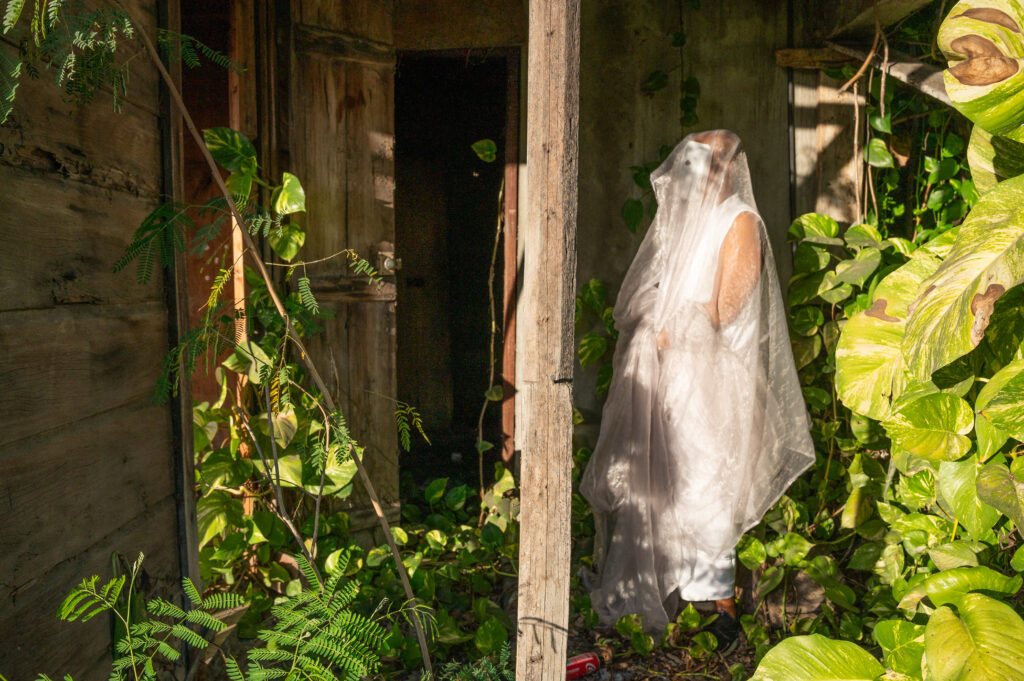
How did you navigate the ethical challenge of telling a story that is both deeply personal and politically charged? Were there lines you refused to cross while filming or editing?
Navigating that line was delicate throughout the entire making of this film. I kept asking myself what to do. Should I go all the way, or not?
Thinking about my family, I was unsure how to approach them or if they even considered me at all, given all the stories I had heard as a child, which was the last time I saw or spoke to them. I never witnessed the conflicts firsthand, but when I went back to Guadeloupe to make this film, I knew I was going there as someone disconnected from her clan.
Initially, my goal was to go further, to seek out the very people at the center of this dispute, to go as far as pushing for a confrontation on camera. But that was a dangerous thing to do. I knew I was going to leave, whereas my mother was staying.
My mother is in this film. She gifted that to me. She trusted me with her story, and I was not willing to endanger her by going to a hostile place, just for the sake of a film. Her safety mattered more than completing my journey as a filmmaker. So I held back. And I made peace with that.
What does land represent in your family beyond property – emotionally, culturally, historically? The film suggests inheritance law can fracture families. What did you learn about how law shapes relationships on a human level?
To be honest, I am not sure I fully know. And I think that is part of what the film reveals. The relationship fractures run so deep in my family that it stopped being about land a long time ago.
What I came to realize is that it is ultimately about belonging, sense of place and identity. The land is the physical manifestation of something much more profound; that is, a connection to where you come from, to who you are, to what heritage you carry. When that is disputed, when it becomes a legal battlefield, it does not just divide property. It divides people from themselves.
I believe it is important to honour where you are from, what you have, and who you are. And when a legal system turns your inheritance into a source of conflict rather than a source of pride, it does not just fracture families. It fractures souls. It fractures identity.
Has making Indivisum changed how you see your own place in your family’s history? Do you feel the story is resolved now that the film is complete, or is it still unfolding?
Making this film shifted something profound in me. It made me think deeply about my own place in the world. I am of Guadeloupean descent, raised between cultures, now based in Canada. For a long time, I felt I had to choose. This film taught me that I don’t. I belong to three cultural lands: Guadeloupe, France, and Canada. Such a unique position is precisely what allowed me to tell this story. As an outsider, it gave me a privileged vantage point. I could hold the story with enough distance as the filmmaker, and enough proximity as the protagonist of the film.
With this documentary, my goal was to depict Guadeloupe with dignity, to show its complexity without reducing it to its wounds or a stereotypical paradisiac backdrop.
I ask myself: “Is the story resolved?” No, I don’t think it is. But deep down, I never expected it to be. INDIVISUM: Legacies Adrift was a stepping stone for me in my own healing process, and in my journey to make better sense of where I come from, what I have inherited and what I choose to pass on. My wish is that it becomes a conversation starter for others, for families sitting on unspoken disputes, for communities still navigating the aftershocks of colonization, for anyone who has ever wondered what they are truly inheriting. The film is complete, yet the story is still unfolding.
Quick Takes:
What projects are you currently pitching or developing?
KaFé Productions inc. has a slate of narrative and non-fiction projects at different stages.
What stage are these projects in (writing, pre-production, post-production)?
We have some projects in development and a couple of others in post-production.
What kind of collaborators are you looking for right now? (writers, actors, producers, crew, etc.)
Co-producing partners, executive producers, broadcasters and financiers who share our commitment to putting underrepresented voices centre stage.
How can people get in touch if they want to collaborate or learn more?
They can reach out through our website: kafeproductions.com
Are you looking for submissions, funding, or other opportunities?
We are always looking for funding (smile) and other exciting opportunities. We are particularly interested in developing projects in the thriller genre, though we do not accept unsolicited materials.
Any upcoming events, screenings, or launches readers should know about?
Follow us on our socials to stay tuned.
Photo credits: Ka-Fé Productions.