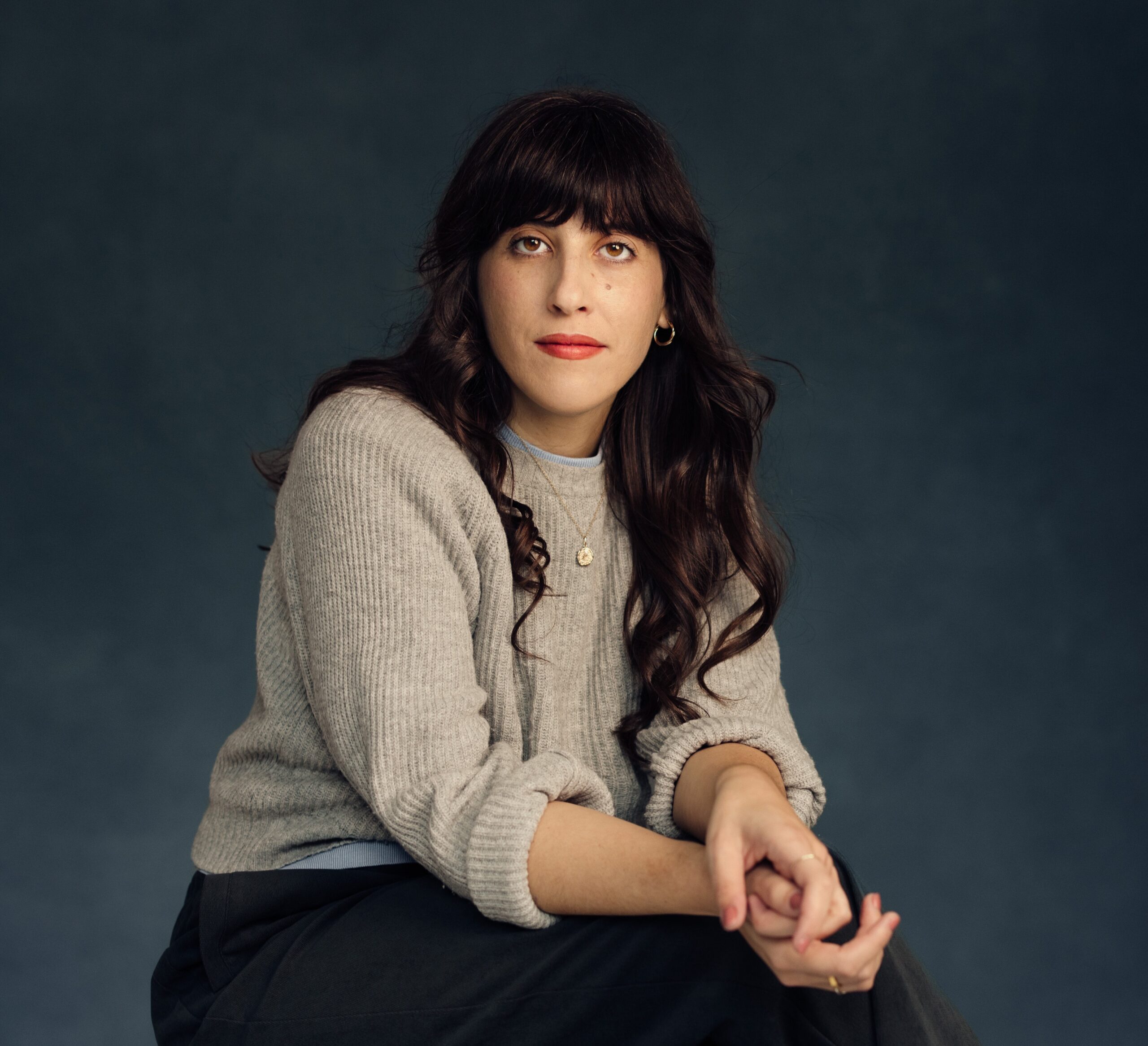
At its core, docu-short Surfistas is a truly Canadian story. It speaks of the immigrant identity while embracing Canadian culture. It touches upon the power of sisterhood while also speaking to the true grit and resilience of the women in this story. Through these themes, Surfistas delves into the world of a group of women who have taken on the challenge of surfing on one of the world’s most unexpected locations: The Great Lakes of Canada. Cinematographer and Executive Producer Christina Ienna opens up about what drew her to this story, the power of women-led narratives, as well as the challenges she faced while working on this exciting project.
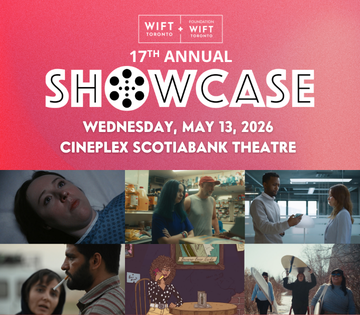
Surfistas will be featured at the WIFT+ Showcase on May 13th, 2026
Q. How did you first hear about the ‘Lake Surfistas’ community, and what drew you towards this story?
A. Our film Surfistas really came out of a conversation Meagan and I had, where both of us were interested in surfing and the idea of women-led communities. We started talking about how unique freshwater surfing is in Canada, and I had already had a project about it in development, so my interest immediately peaked. Our mutual love of water sports led us to connect with Robin Pacquing. Discovering Lake Surfistas felt like uncovering something pretty special. These women weren’t just chasing waves; they were building a sisterhood for themselves in a place where they were rarely represented and exchanging their knowledge in such an inviting way.
Q. Were there any particular difficulties filming in the Great Lakes, especially in colder months?
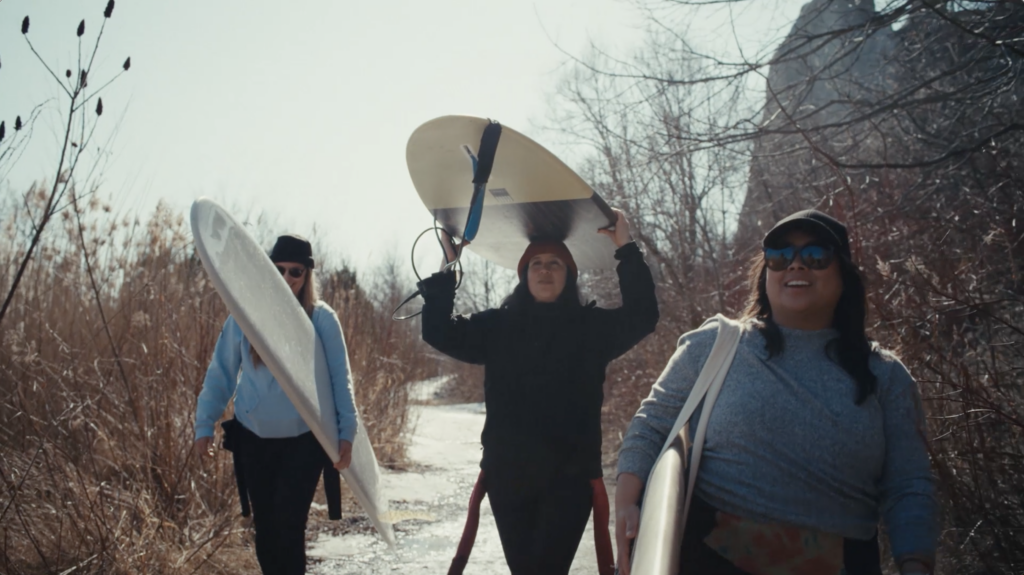
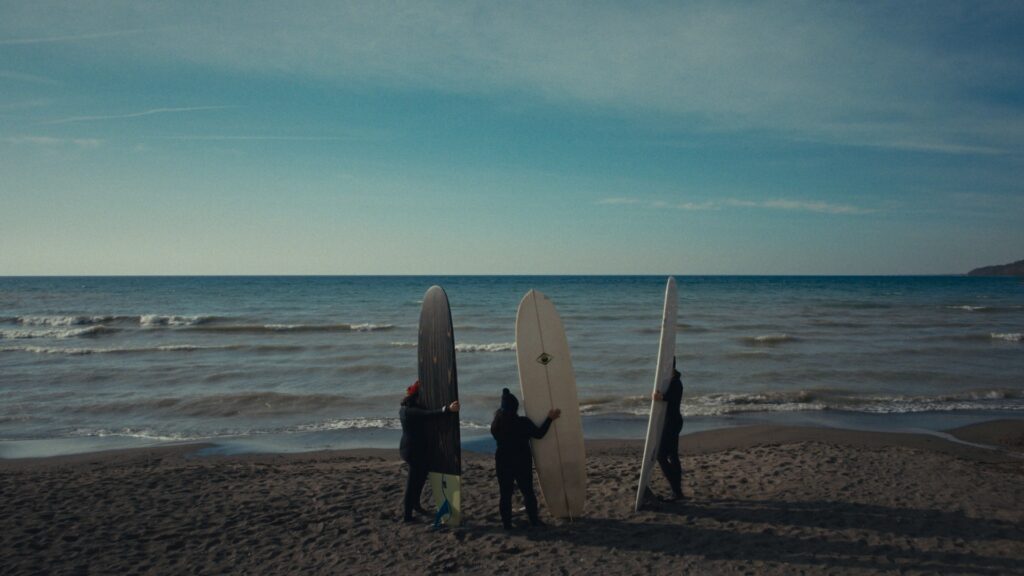
A. Absolutely! Personally, I’m a scuba diver and enjoy stand-up paddleboarding (SUP), but after working with these women, I can say Great Lakes surfing is no joke. The cold alone is such a huge factor. The surfers are dealing with freezing cold water, heavy wetsuits, extreme wind, and constantly shifting conditions. The physical demands of trying to surf while being hit by icy waves and battling the elements are what make the story so powerful. You can feel the environment in every frame. Ironically, the worst weather produces the best waves, which were not ideal conditions for operating a camera in. The unpredictability of these conditions also made planning difficult. We often didn’t know until the day before, or even on location, if there would be any surfing to shoot. Sometimes we still had to find things to film even when it was flat.
Q. From a Cinematography perspective, was there a particularly difficult shot?
A. There wasn’t one particular shot. It was more about being present for fleeting, unpredictable moments, especially in water, where you are just following the action and hoping you don’t miss something great. Lots of patience is required, even when you’re cold and wet. Many of the best vantage points were the hardest to access and carry gear into. I would also say coordinating surfers in the water while we were flying a drone overhead was more of a challenge, as communication was very limited once they were out there. Everyone was a good sport about it, and what we captured shows.
Q. Tell us about the visual approach you crafted for this film.
A. The approach was rooted in contrast, balancing the cold, unforgiving conditions with the warmth and connection of these women. At its core was Robin’s story, her resilience, her past, and the journey that shaped Lake Surfistas. Using archival material helped anchor the film in her history, adding depth and intimacy to who she is today.
I’m always drawn to the small, human moments that reveal something deeper, so I tried to keep the visual language immersive and observational when possible. We wanted everything to feel present and, in the moment, whether in stillness or action, even the interviews. The film was entirely shot handheld to maintain that immediacy and closeness.
I primarily worked with a single-camera approach using my Sony FX6 as the main camera, alongside capturing some epic drone footage, and a brief window we had with an underwater RED Komodo unit. I also used the Sony G Series 200–600mm zoom with a teleconverter to capture the surfers from the shoreline. The rest of the water work was captured on GoPros, allowing us to stay agile and embedded in the environment without disrupting the authenticity of the experience.
Q. As Executive Producer, what were some production challenges you faced?
A. Like many independent documentaries, it was a balance of resources, time, and scale. We were working with a relatively modest budget while trying to capture something visually expansive and logistically demanding. Coordinating shoots around weather, availability, and safety, especially on the water, was a constant challenge.
It was incredibly rewarding to see how much we could accomplish through collaboration and trust in the team. I truly couldn’t have pulled off our more complex shoot day, with a larger drone team and more involved underwater unit, without the generosity and support of the incredibly talented friends who showed up for this project.
Q. How was the process of building buzz and funding through GoFundMe?
A. Everything about this project was very grassroots, which felt aligned with the spirit of the film. The response was really encouraging. People connected to the story, whether through the surfing community or our own network. The support, alongside additional post-funding from NFB and our own personal investments, helped bring the project to life and reinforced that there’s an audience for these kinds of stories.
Q. What inspires you to give back through initiatives like Coffee House Hours?
A. Coffee House Hours began as a monthly meet-up where I would sit in local cafés and casually mentor emerging film talent who reached out. It quickly evolved when my own peers started popping by to catch up and started sharing their own insights, turning it into a genuinely collaborative community space.
A lot of my inspiration comes from my own experience in the industry. I’ve seen how difficult it can be to access opportunities, build community, and feel supported, especially for women and underrepresented voices. Creating spaces like Coffee House Hours is about making those connections more accessible and intentional. Community is everything in this industry, and I think we all benefit when we actively support each other.
I try to be the person I wish I had been when I was starting out. There can be a culture of competition that feels cutthroat at times, but this is a small industry, and how we treat each other matters. I think it’s important to lead with generosity, to uplift one another, and to recognize that kindness and collaboration will always take you further in the long run.
Q. What advice do you have for emerging creatives, especially women?
A. Trust your instincts and don’t wait for permission. This industry can make you feel like you need to prove yourself constantly, but your perspective is your strength. Focus on building real relationships, stay curious, and keep making work even when it’s hard. Find your people and create together. Resilience matters more than perfection.
Q. What message do you hope viewers take away from this film?
A. I hope people walk away feeling inspired to take up space, whether that’s in sport, in their communities, or in their own lives. Especially women, we are badass and can do anything. Surfistas is about courage, but it’s also about connection and support. There’s real power in finding your people and showing up for each other.
Quick Takes:
Q. What projects are you currently pitching or developing?
A. A mix of documentary and narrative projects grounded in human stories. Currently, I’m developing a larger series on cold water surfing, a corky youth series inspired by a short I created, and a more personal documentary about my mom’s love of hockey.
Q. What stage are these projects in?
A. All projects are currently in development, with the goal of securing support and funding through networking during the upcoming festival season and any additional avenues I can find. If anything resonates with someone reading this, please reach out. I’d love to connect!
Q. What kind of collaborators are you looking for right now?
A. Producers, directors, and creatives with meaningful or unique stories to tell. I’m drawn to people who are curious, kind, and down to build something special together, where it feels like a shared creative process, not just a job. I care deeply about the work I do and work best with those who bring the same level of intention, thoughtfulness, and commitment to their ideas.
Q. How can people get in touch?
A. Through my website or Instagram @stina, or swing by my monthly Coffee House Hours meet-ups.
Q. Are you looking for submissions, funding, or opportunities?
A. Always open to conversations around funding, partnerships, and aligned creative opportunities as both a filmmaker and cinematographer.
Q. Any upcoming events or screenings?
A. Surfistas is at the very beginning stages of its festival run, with more screenings and community events to come soon. Check out @surfistasdoc for more information on upcoming screenings. Coffee House Hours meetups happen every month, and I have a few fun special collaborations in the works, like Mentor Match Ups and Photo Walks. Follow @coffeehouse_hr to stay up to date!
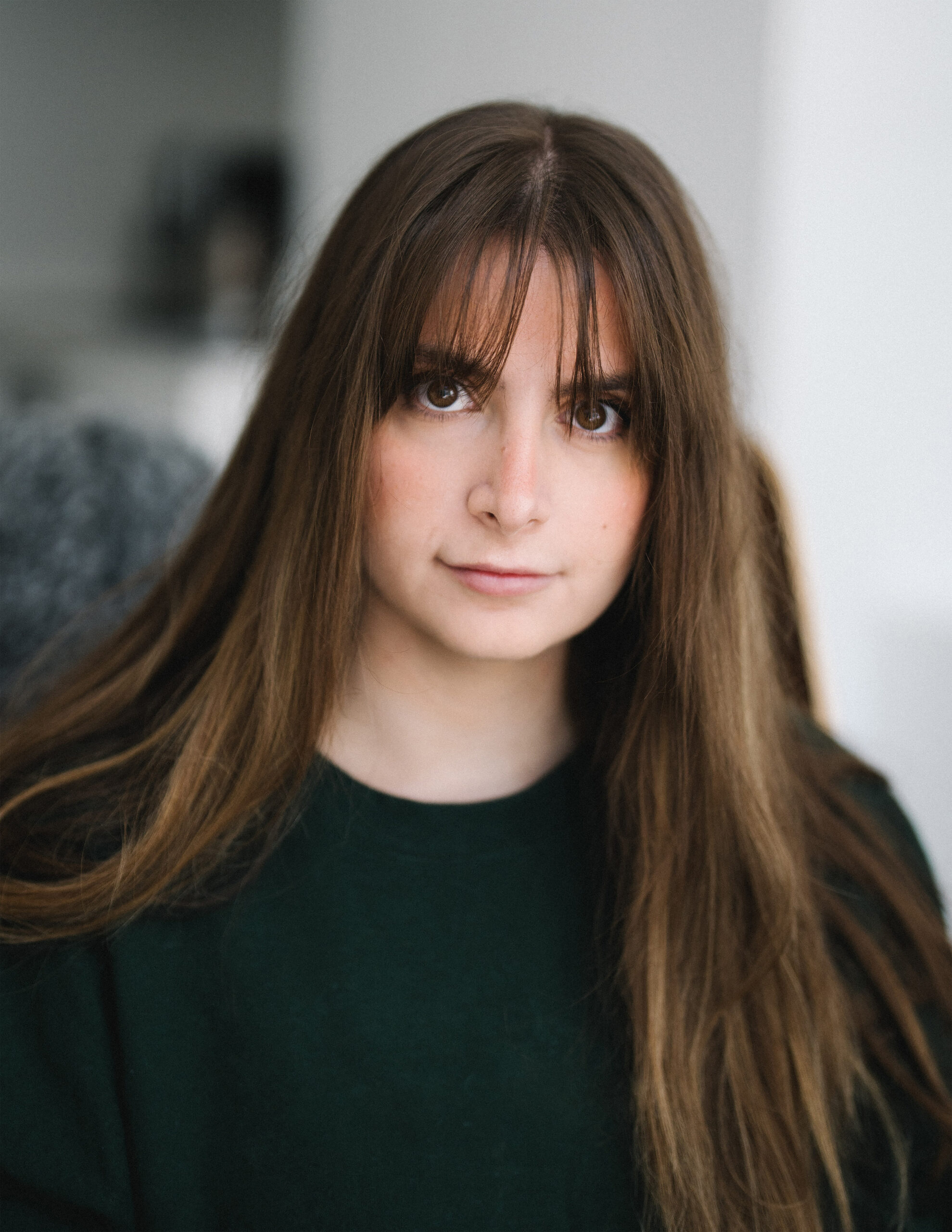
Headshot: Ally Petruck
Photo Credits: Surfistas Documentary Film Stills
Interview by Shwayta Sharma for Reelway Magazine