We often delve into our personal spaces to write the most effective stories. After years of experiencing pain and being dismissed, Sarah Hime writes a story that mirrors that frustration, Alice is Fine. We sit down to chat with Sarah about her personal journey, how it affected her writing, and why the story was important to be told – and hopefully, it creates the ripple effect such stories are meant to.
Many women can relate to this story – sitting in a doctor’s office, waiting for answers, feeling deep down that something isn’t right, only to be told that everything came back “fine.” Was it personal experience that sparked this story or something else?
It was personal experience that led me to write Alice Is Fine. I’ve been through a really challenging time with my health over the past few years; experiencing chronic pelvic pain, struggling to get doctors to take my symptoms seriously, having scans come back clear, and being told I’m “fine” when I know I am not. Most of the doctor’s dialogue in the film is derived from the ridiculous things that doctors said to me in my real-life appointments. While I was going through the worst of my health journey, I also started to realize that every single woman and gender-diverse person in my life had a similar story, and I began to realize just how pervasive gender bias is in healthcare. I wrote this script as a way to process what I was going through, and to express some of my rage at the system.
Since most of the film happens in one room, how did you think about keeping that space visually interesting and tense?
This was all thanks to Vivien’s incredible direction, in partnership with our wonderful Director of Photography, Carine Zahner. They developed the idea to move from a stationary camera to a handheld at the pivotal moment in the story, in order to express Alice’s emotions through the camera and build tension visually. Vivien had also put so much thought and detail into the set decoration; details which helped the space to feel like a real, functioning doctor’s office, which I think brought a lot of visual interest to the screen. Also, the team put a lot of thought into how we lit the space at various points during the film, again allowing for subtle shifts and changes that helped visually tell the emotional journey of the story.
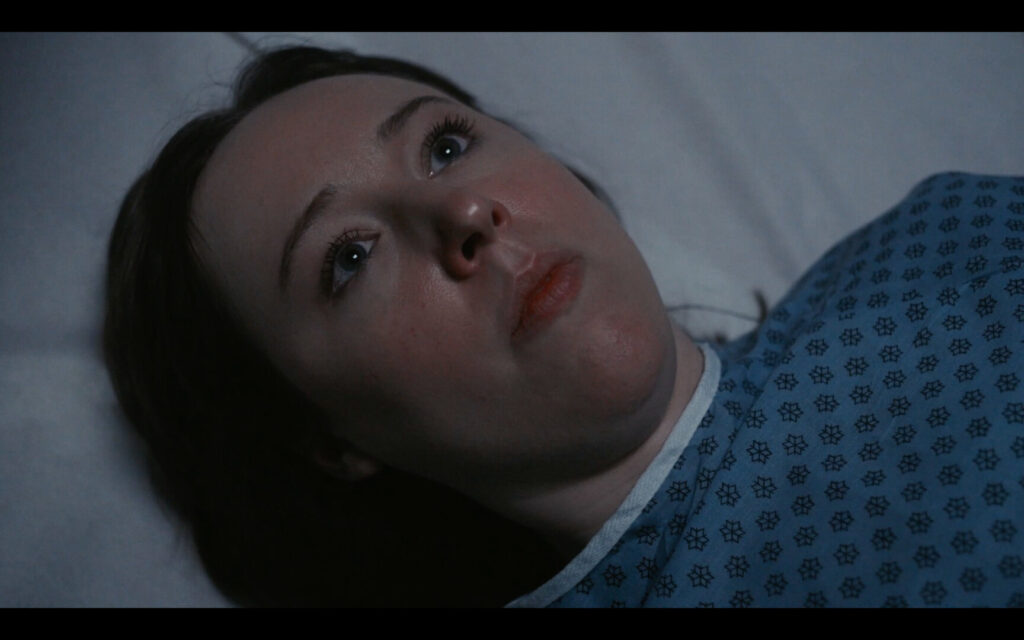
How did you approach showing the difference between Alice’s imagined moment and reality creatively?
I have to give all the credit to Vivien and our incredible production team for their ideas in bringing this moment to life on screen! In my script, I had written the basics of this moment – that Alice explodes, building to a climax, and then is interrupted by the Doctor’s voice, bringing her back to reality. But of course, it is complicated to bring this to fruition on screen and make it clear to the audience what is happening. Vivien knew just how to do this and partnered with our production and post-production crews to make bold choices in the camera work, the lighting, the blocking, the editing, and, in particular, the sound design in order to make this moment clear and creative on screen.
That moment where Alice imagines confronting the doctor is so powerful. What made you want to explore that contrast between what we wish we could say and what we actually say?
This was actually the core idea that prompted me to write this story. I was finding myself experiencing such a dichotomy of emotions while going through these health issues myself: I’d go into a doctor’s appointment and try to be the “perfect patient”, smiling and people-pleasing. And then I’d get home and start to remember some of the dismissive things that were said to me, and I’d be so filled with rage! I’d commit to myself that next time would be different. Then I’d find myself back in the next appointment, people-pleasing again. I felt like I had whiplash. As I approached writing this script, I was really trying to explore these complicated emotions. I wanted to express how hard it is to find the balance between keeping your cool (especially as a woman – it does not help you to be branded “hysterical” by a doctor in a situation like this), while also fighting for yourself and your health.
In terms of tone, I also wanted to capture the ways in which situations like this are so terrible and ridiculous that they are almost funny. The tension and contrast between what we feel, what we imagine saying, and what we actually say seemed like the perfect playground for exploring this dark humour.
Alice goes through a lot emotionally in such a short time. What was your way into that headspace?
For me, it was important to understand Alice’s backstory. While most of her history isn’t actually spoken about in the film in detail, building this world for myself allowed me to understand and connect with Alice’s desperation in this moment, which is what motivates so many of her actions and emotions throughout the scenes. Vivien had also directed me to come into the conversation with the doctor filled with hope. Alice believes that maybe this is the doctor who will finally listen and help her. This was brilliant direction because the more I leaned into this hope, the more truly frustrating and hurtful it was when the doctor would shoot me down, and that really helped me ride the rollercoaster of emotions that Alice feels throughout the film.
To connect to the character, I also pulled a lot from my own experience. I know how uncomfortable these types of exams can be, both physically and emotionally. And I know what it feels like to be in pain for months – maybe years – and to be unable to get answers or even any support. I really channeled the thoughts and feelings that I experienced while going through this in my real life into Alice’s actions and words. It was challenging but very cathartic!
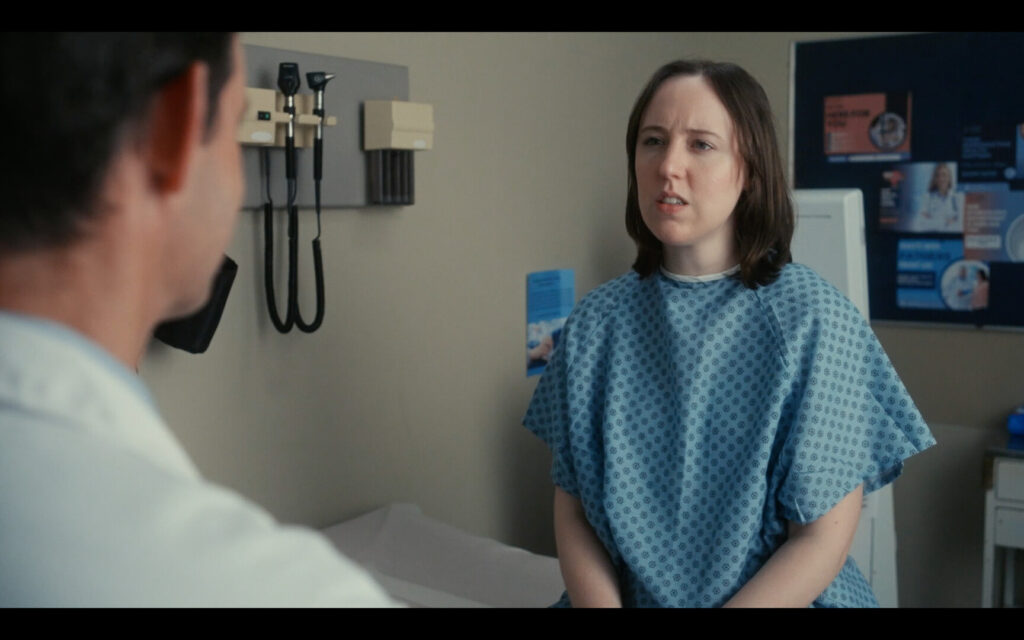
The doctor is really interesting because you’re not totally sure how to read them – what was your direction there?
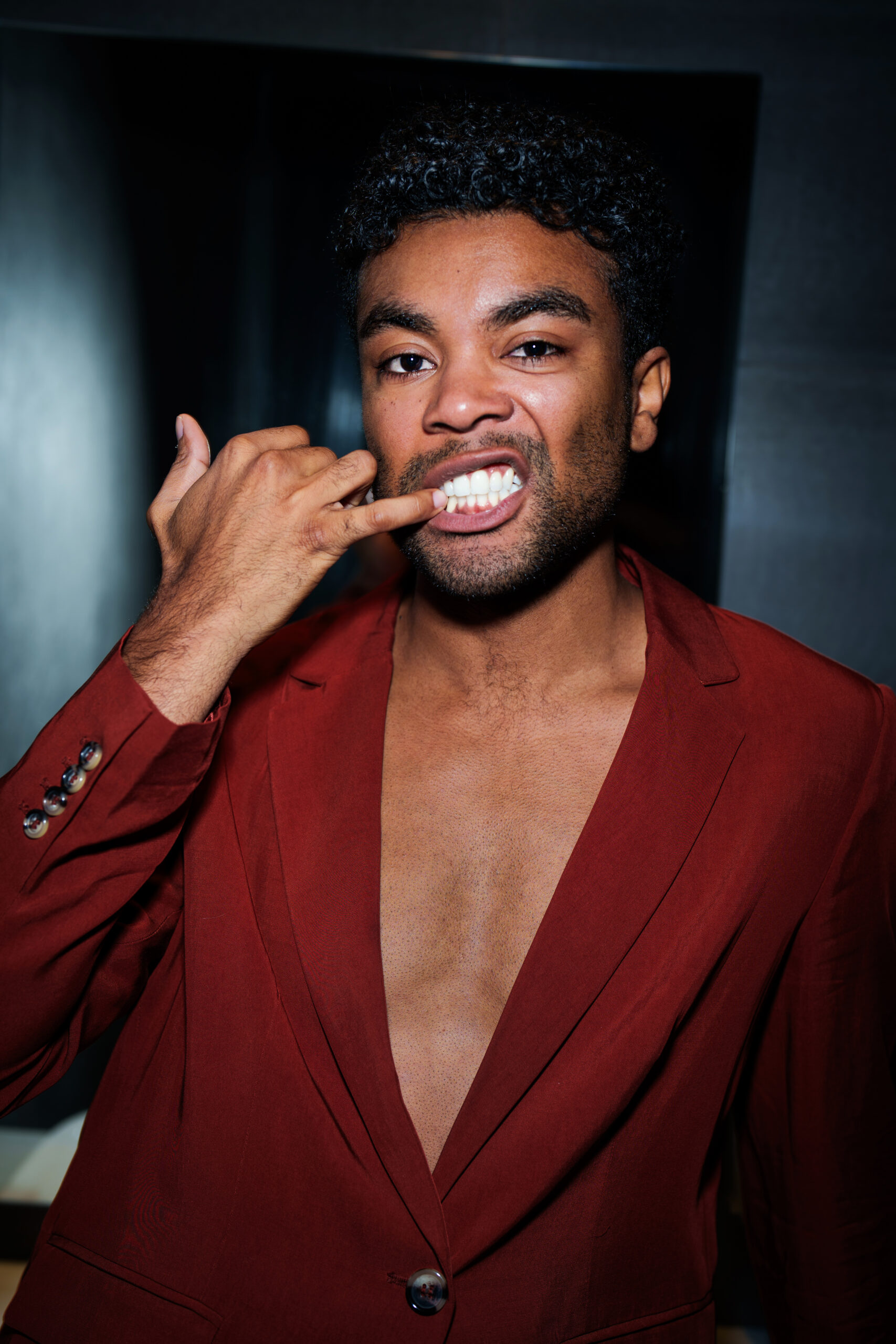
This is something that Vivien and I spoke a lot about both when finalizing the script and when casting and guiding the performance of the actor playing the role (shoutout to Matthew Edison, who absolutely nailed it as Doctor Graham!) We felt it was important that he wasn’t overly villainous, but rather someone who thinks that they are being helpful, but is simply not listening and woefully out of touch. We felt that this was more realistic to what we have experienced from doctors in real life, and this realism was important to us. We wanted folks who have lived through this experience to find what they saw on screen to be accurate. But also, for those who might not have experienced a situation like this, we wanted them to believe that this does happen in real life. The risk of having the doctor be too ‘arch’ or evil would be that people might say, “well that would never happen, that’s an exaggeration.” I’d also love for doctors and healthcare professionals to see the film and maybe start to realize the effect that their words and actions have on patients.
What was it like collaborating with Vivien on this – how did you shape Alice’s journey together?
Vivien and I have worked together on shaping Alice’s journey from the very start of this process! Vivien is an incredible creative coach, and has been coaching me as an actor for a few years, but has always encouraged me to create my own work as well. When I began writing Alice Is Fine, she was my sounding board and would give me feedback on my drafts as a part of our coaching work together. As I neared the finish line with the script and started to look at making the film, we both realized that we wanted to partner on this project together. I was so thrilled! So, we worked closely together on the final drafts of the script, honing the details as we dove into the pre-production process together.
Partnering on the project from such an early stage meant that we were completely aligned on the vision for the film, which was such a gift heading into production and post-production. While shooting, Vivien’s coaching was instrumental in helping me to feel safe committing to the vulnerability of the character, and in bringing out my best performance as Alice. Vivien and our incredible team were also very collaborative throughout the post-production process, which was such an amazing learning experience for me as a first-time producer and filmmaker. I was so grateful to get to continue being a part of shaping Alice’s story as decisions were made in post.
Did anything change a lot from the script once you got on set? Did you end up using any improv at all during filming?
I wouldn’t say that very much changed on set from the original script. We had quite a specific vision for each character, their point of view, and how the scenes needed to be built in order to make the story clear. It was a delicate balance making this doctor’s appointment feel realistic, while also expressing both the humour and the pain of the story. For this reason, we were pretty truthful to the script on set. However, I would say that I used a bit of improv in the writing process. To craft some of Alice’s dialogue, I would start a voice recording on my phone and speak or rant as though I were in one of my more awful medical appointments, and just see what came out. I could listen back to the recording and transcribe anything that resonated after the fact. This was helpful in finding some of the unfiltered thoughts that Alice might be longing to share, so that even though the film was fully scripted, these key moments would have the feeling of being her innermost, spontaneous thoughts.
What do you hope people who’ve had similar experiences take away from the film? Do you see this as part of a bigger conversation around being heard, especially in medical spaces?
It is truly our hope that those who have lived with invisible pain, or who have experienced medical gaslighting, know that they are not alone and that they deserve to be believed. When I was going through the worst of my health journey, hearing others’ stories and realizing that I was not alone kept me feeling sane and inspired me to advocate for myself. I hope that our film can help inspire others in the same way. The more we talk about these issues, the more awareness is brought to them, and the more we can advocate for and see change occur. For example, in the last few years, we’ve seen a lot more dialogue about Endometriosis, and how it is underdiagnosed, under-researched, and underfunded. Now, actual change is happening; bills are being passed, funding is being gathered. I absolutely want our film to be a part of sparking this kind of conversation, which will hopefully lead to more change.
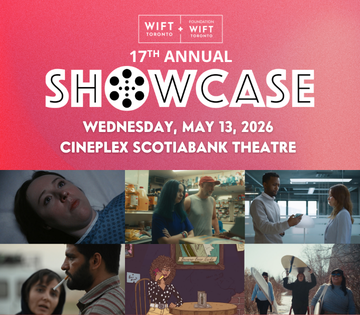
The film is screening at the WIFT+ Showcase in May, what are you most excited for audiences to experience or take away?
While many people experience difficulty in the medical system, it is a fact that women and AFAB people are more likely to experience medical gaslighting, inadequate care as it relates to pain, and an overall lack of medical research and funding related to their bodies. So I do hope that the subject matter is something that will resonate with the WIFT+ audience. Our film was also created by a female-led team of filmmakers and a gender-diverse crew, and so I hope that the WIFT+ audience is inspired by seeing a story about women and their experiences, told by women, being celebrated on the big screen in an industry that is so male-dominated.
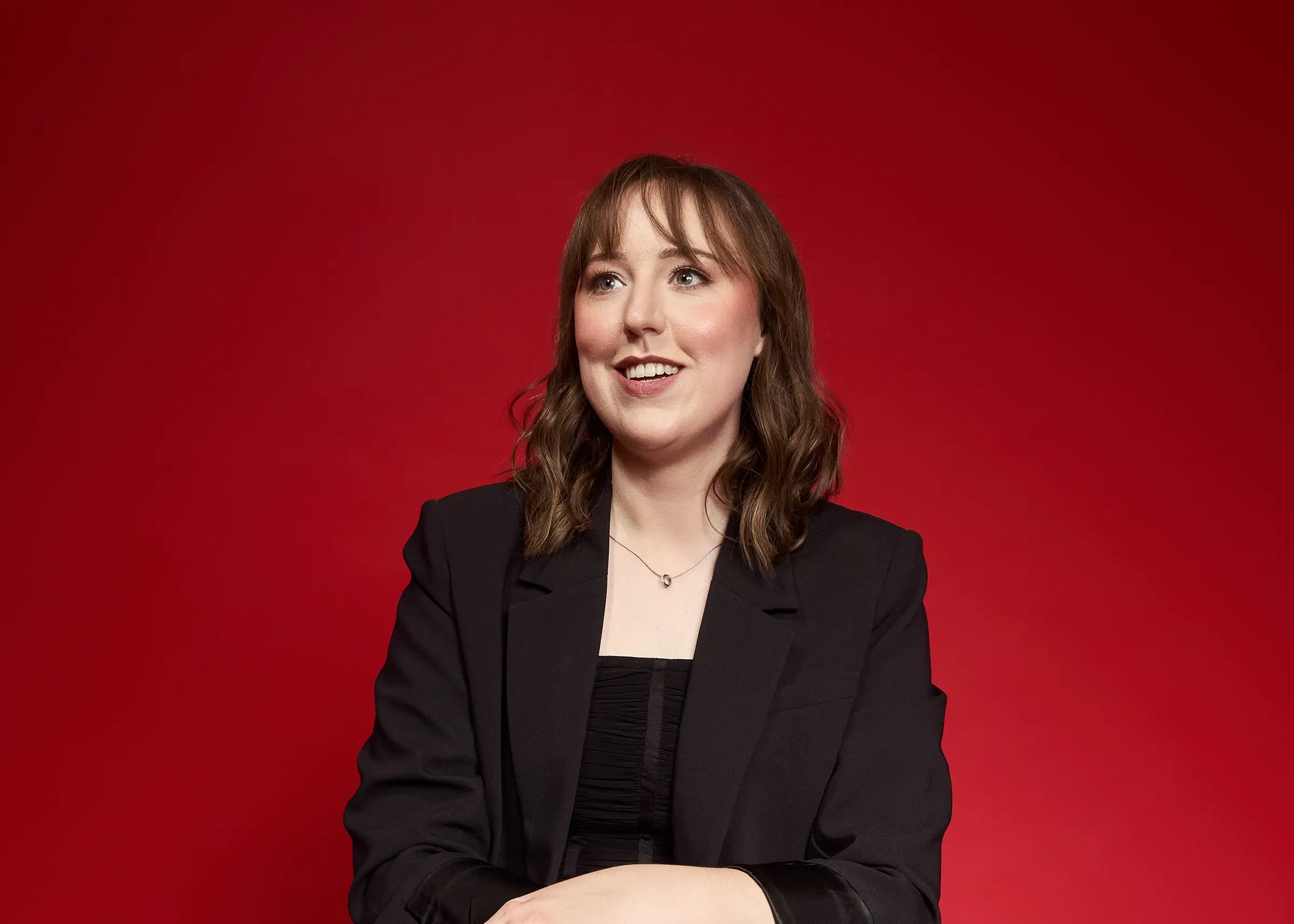
Headshot: Erik Marcinkowski
Photo Credit: Alice Is Fine Film Stills