As part of the REELway X SACFF Canada/India Co-Production Lab Series, REELway spoke with the Canadian filmmakers and producers participating in the lab. The series explores their careers, creative practices, and the projects they are developing through this international initiative.
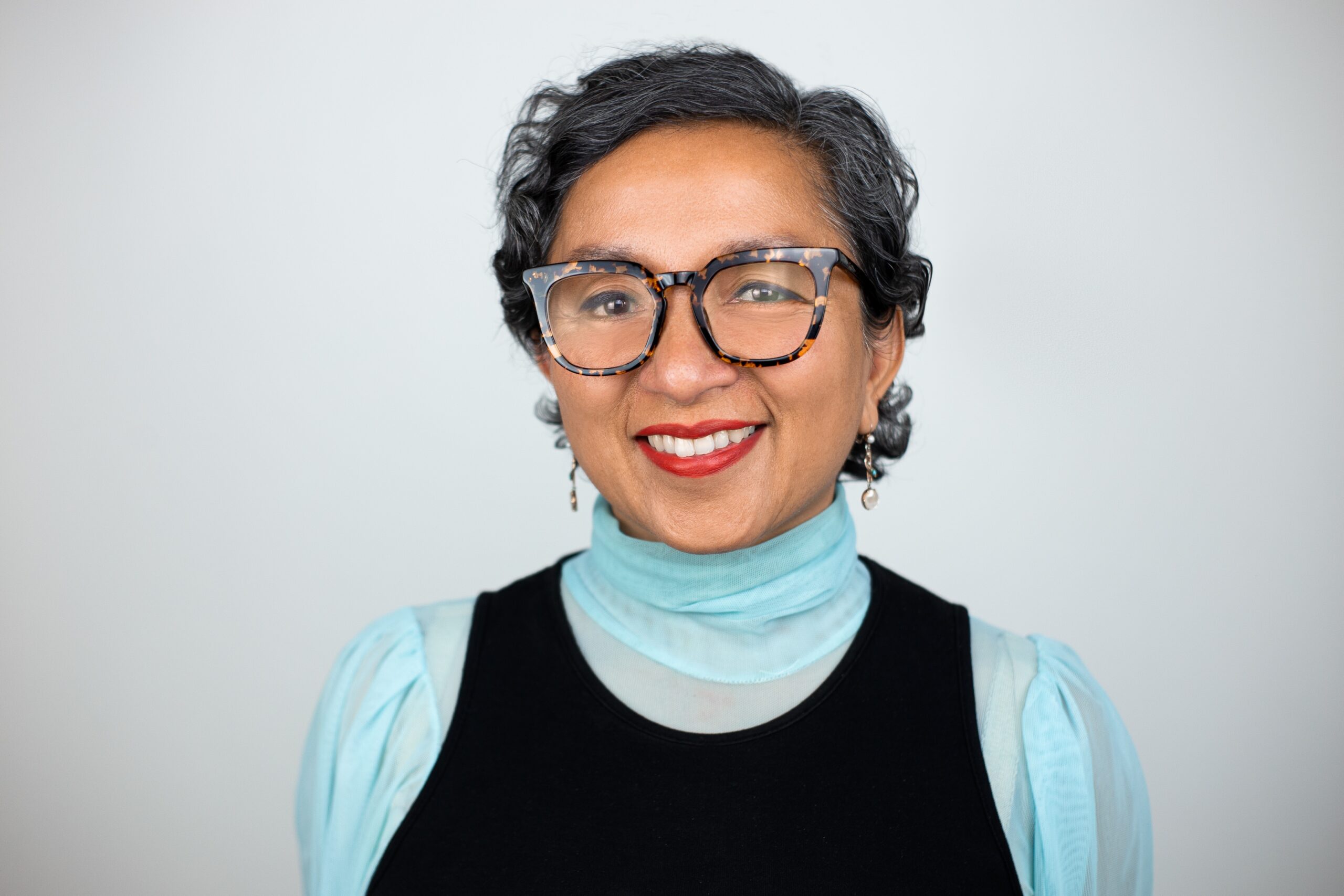
In a chat with Shwayta Sharma, filmmaker Archita Ghosh reflects on her journey from engineering and international business into the cultural industry. She discusses the importance of building sustainable, market-facing production companies and taking thoughtful risks. Ghosh also shares her perspective on producing culturally specific stories and the power of international collaboration. She introduces ‘Tiger Women’, a premium documentary in development about women widowed by tiger attacks in the Sundarbans of India and Bangladesh.
You entered the cultural industry after many years in engineering and international business. What made you make that transition, and what did your previous career teach you about producing?
I am a generalist who likes change and has always been interested in the arts. Lots of transferable skills from engineering to just about anything: project management, finance, strategy, etc.
You’re now leading a 25-year-old production company through its next phase of growth. What do you think Canadian producers need to do differently to build sustainable production companies?
Be market-facing! Our market is people, not institutions and organizations. Understand the people, the trends, and make content that resonates.
Take different risks! Every single production is a risk; why take the same ones over and over? Take risks with content, people, everything. Of course, be smart about it; I’m not saying increase your risk, I’m saying take different ones at whatever your risk tolerance is.
Diversify! So many platforms, media, creators. Figure out what works for you and diversify your business model
It’s all easy for me to say, but this all takes a lot of blood, sweat, and tears. But then again, so does everything that is ever on any screen.
Having worked in Canada, Mexico, and the U.S., what have you learned about building creative and business relationships across different markets?
It’s what everyone says and knows. It’s all about humans. Love the people, care about the real stories, be respectful, be transparent, be smart, be generous, deploy healthy boundaries. Only negotiate what you can walk away from and know that the only good negotiation is one where everyone is happy. Yes, I am an idealist and optimist, too late to change now!
As a producer working with Indigenous stories and now developing a story rooted in India and Bangladesh, what responsibilities do producers have when telling stories from communities they are not part of?
I am only a tiny part of all the stories Rezolution tells, a facilitator in most cases. I know as little about the Sundarban in India and Bangladesh as I do about the Cree Nation of Chisasibi (Rezolution’s co-founder Ernest Webb’s home), or almost any other story we produce. So it’s really about putting together the right team to tell a story from a real place. It’s about being very open to always learning and not being too earnest or cautious so that you can really get to the heart, soul, and guts of a story with the team.
Tell us about the project that you will be developing through the lab? What kind of producer are you looking for in a potential co-production?
‘Tiger Women’ is a premium doc in development about the women who are widowed when tigers kill their husbands. Dozens of people a year are killed by tigers in the Sundarbans of India and Bangladesh. We are working directly with well-respected McGill University academic Dr. Ratna Ghosh (no relation), who brought her research to my attention recently. At Rezolution, we are always looking for a good story. And this one is a good and important one with many, many rich layers. It speaks to gender, politics, economics, community and the much-loved reigning guardian/deity of the forest known as Bono Bibi or Bono Devi. We would love to work with a female documentary film producer from West Bengal who has familiarity both with producing premium features and the cultural landscape of the region.
What do you think Canada and India can offer each other when it comes to producing documentaries and bringing culturally specific stories to international audiences?
So much irresistible richness comes out of international collaborations, and a good story is a good story, no matter where it comes from and how specific it is. Cultures are not boxed entities like we are sometimes led to believe. The beauty is in the undefined messes (Got a little too grandiose and philosophical there!)
Quick Takes:
Q. What projects are you currently pitching or developing?
Here are just a few in various stages of development:
- Power of Style – a cultural makeover series that elevates the personal style of people from all over Canada
- Our Big Land – a series that follows a young Inuit family as they hunt and fish with knowledge and expertise and fun
- Where The Waters Divide – an Indigenous crime drama series set in Walpole Island in the Detroit River at the Canada-US border
- Black Turtle Island – an exploration of the Afro-Indigenous culture through music
- Chasing Destiny – a coming-of-age drama/comedy feature
Also many more in our development pipeline including children’s content, verticals, web series, and so much more!
Q. What stage are these projects in (writing, pre-production, post-production)?
Every stage you can possibly imagine!
Q. What kind of collaborators are you looking for right now? (writers, actors, producers, crew, etc.)
Maintaining a healthy development pipeline while also being in production right now on a premium doc (In The Name of Science), a Cree-language doc series (Aayaanischaa), and an Australia-Canada co-pro doc miniseries (Empire in Colour) means the Rezo producers are always looking for talent!
Q. How can people get in touch if they want to collaborate or learn more?
info@rezpics.com, mention how you heard of Rezo, and a brief summary of your skills/experience, and we’ll pass you on to the right team member.
Q. Are you looking for submissions, funding, or other opportunities?
Always!
Q. Any upcoming events, screenings, or launches readers should know about?
Hope to see some of you at TIFF; a lot of our team will be there. We’ll be getting out more this year, so find us at MIPCOM, World Congress of Science and Factual Producers, Content London, with more to come!