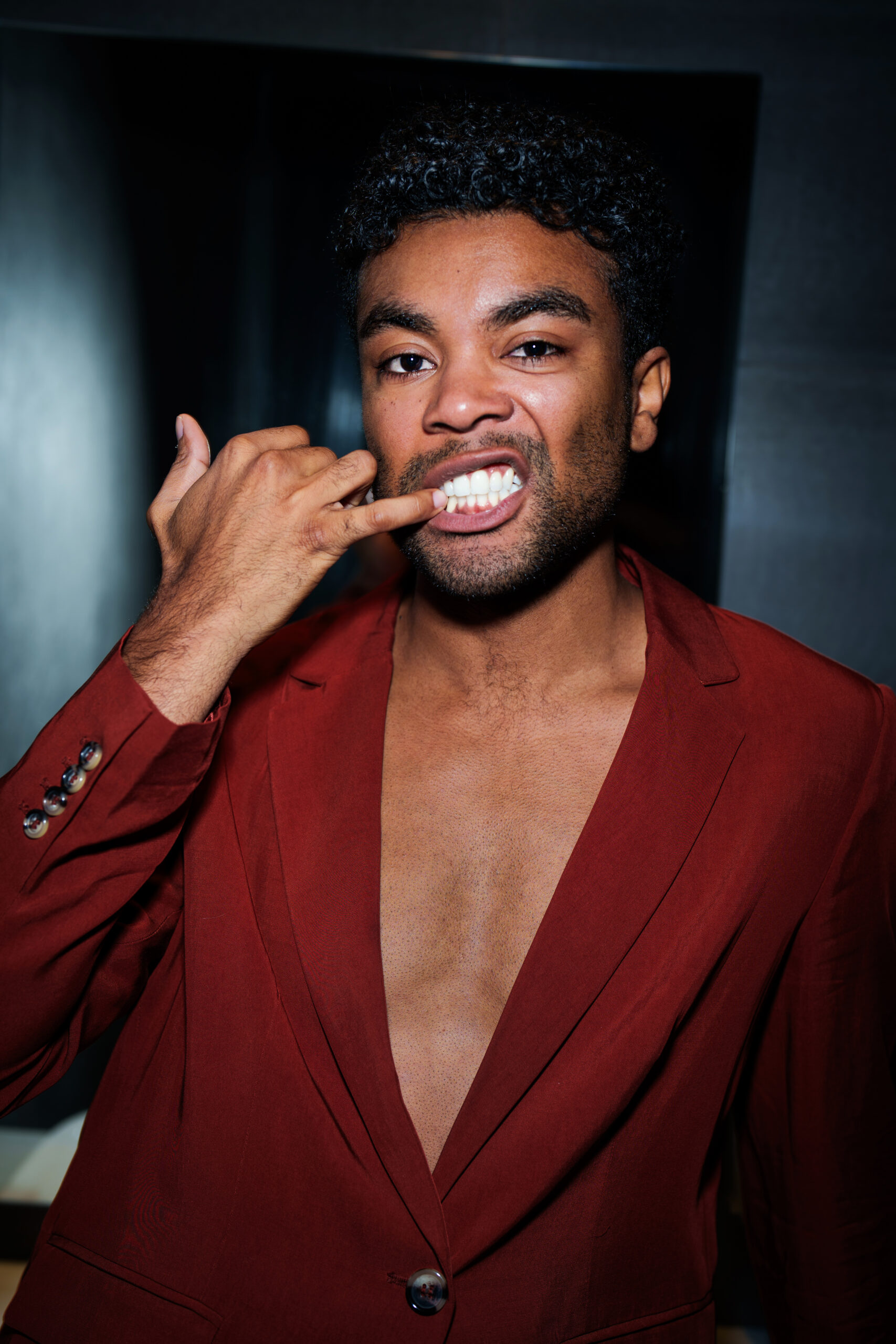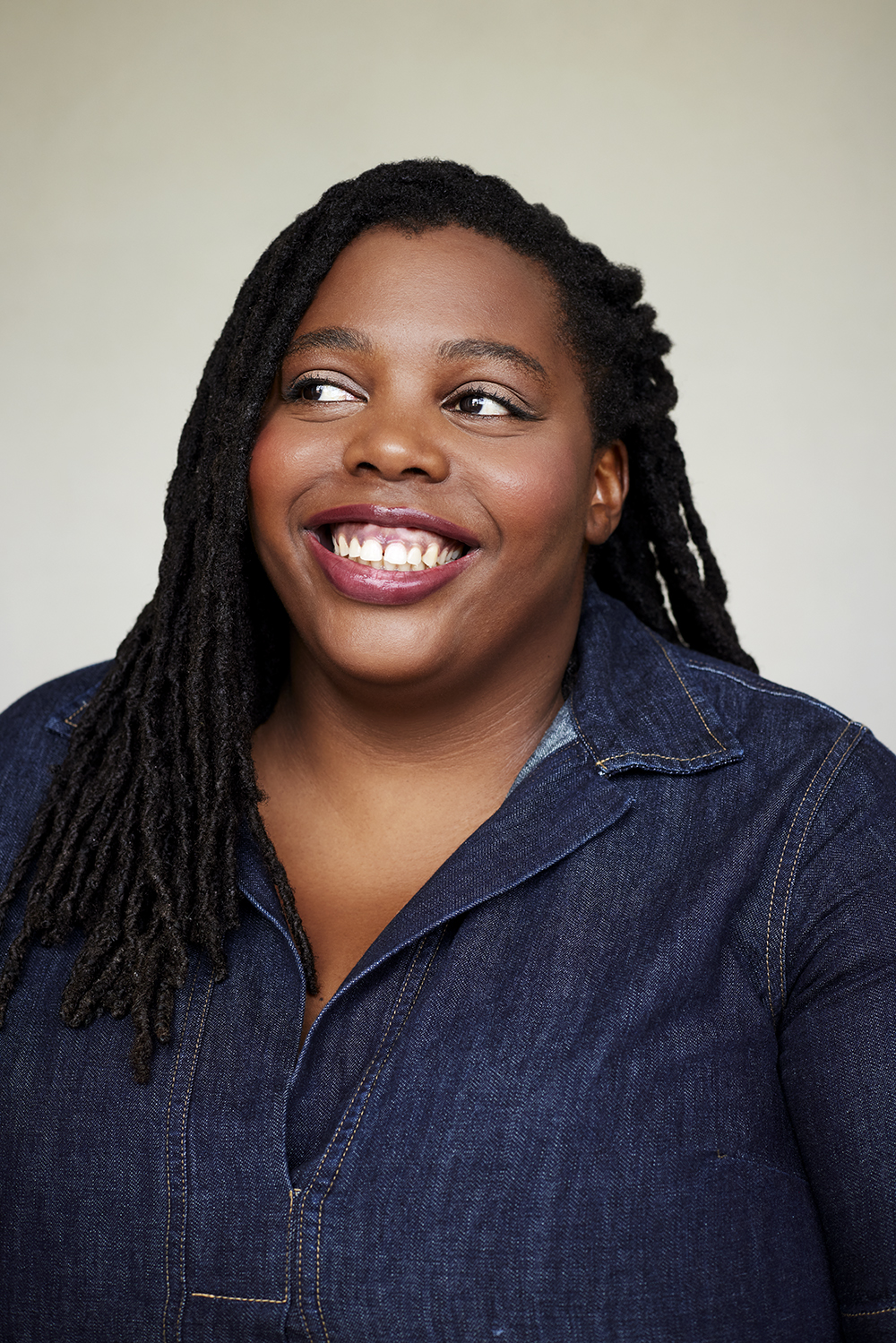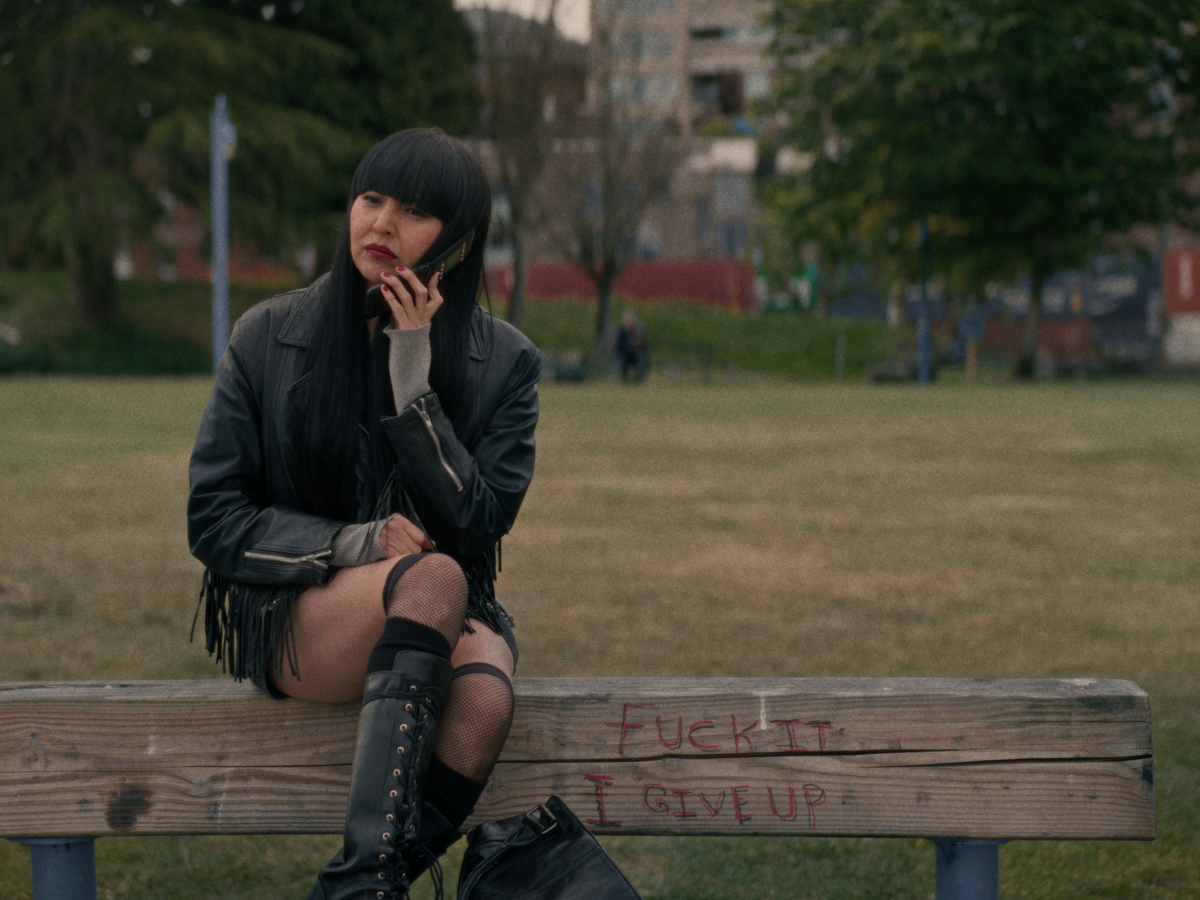
For first-time feature director and writer Justin Ducharme, ‘Seventeen’ is more than a debut feature. Set over the course of 17 hours, the film follows three Indigenous lives shaped by displacement, queer identity, survival, and the bonds of chosen family. Drawing from Ducharme’s own experiences as a queer Indigenous man who has navigated the sex-work industry, while also grounding the story in extensive community consultation, ‘Seventeen’ approaches difficult realities through a lens of friendship, agency and connection. As the film prepares for its world premiere at the Toronto International Film Festival on September 14th, Ducharme speaks with Shwayta Sharma about transforming lived experience into fiction, the importance of listening to community, and creating Indigenous stories that make room for intimacy, friendship and the relationships that help us survive.
You’re drawing from your own experiences as a queer Indigenous man who has navigated the sex-work industry, while also incorporating the lived experiences of people in your community. When you’re telling a story that is this personal, where do you draw the line between what belongs to your own story and what you feel responsible for representing more broadly?
I think there’s always a delicate balance for creatives who make work from a lived experience that we have to constantly negotiate; in terms of what to keep for ourselves and what to put in the work. With this film, I had a very clear idea behind how I wanted to showcase the interactions that were based on my experiences. I wouldn’t say they are exact replications of my experience, but they do share similarities with it that I think some queer men who have found themselves engaging in survival sex work might recognize.
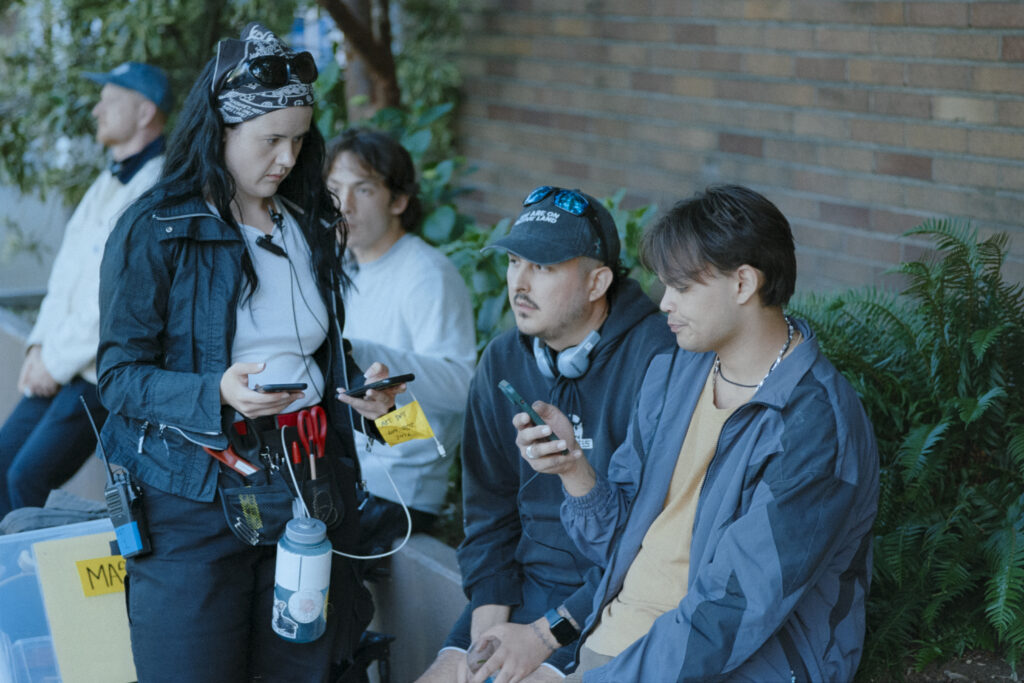
You were writing from a place of lived experience, but you still went quite deeply into research and consultation. You consulted with sex workers through PACE Society, and you also made your research process public through your Emily Carr residency. Why was it important to you not to rely solely on your own experience when telling this story?
I’ve been very aware that this was not just my story from the beginning. The character that very loosely represents my experience was always going to kind of exist on the periphery of this narrative because I like to think I’ll hopefully revisit his story again (it is the same character that appears in my 2018 short Positions)… with the core focus of the film being these two Indigenous women and their friendship, I knew that I wanted input from community. I am incredibly lucky to have a number of really amazing chosen family aunties, many of whom have lived experience with sex work, and this film was always made with them as the core audience in mind. The history surrounding Indigenous women engaged in sex work in Vancouver is dark, and when spoken about publicly, often highlights the trauma associated with that. Something that became clear to me through community consultation was how badly this community desired another kind of story to be written about them. So it was very important to me to ground this film in a friendship between two Indigenous women and how life-saving those relationships are for people.
Your 2018 short Positions introduced many of the themes you’re exploring here – queer Indigenous identity, sex work, desire, financial survival and agency. What did Positions teach you that ultimately shaped ‘Seventeen’? At what point did you realize that the story you wanted to tell couldn’t be contained within a short film – that it needed the space of a feature?
‘Seventeen’ came to the forefront after further developing Positions into a series, actually. That is what I was working on over the course of the first six months of the Sundance Native Lab. I had written two episodes and was feeling kind of stuck. I was talking to one of the mentors in that program and told him about other writing I had that existed in the same world, and he thought it might be good to flesh out one of those ideas on a smaller scale as opposed to an eight-episode arc. It wasn’t until I went to a writing residency in Banff that summer and chatted with Eva Thomas (Executive Producer of ‘Seventeen’) that she really lit something within me to put some energy behind what would become ‘Seventeen’. She has been a huge mentor for me and is really encouraging of my writing. This script got its start in a program she was running through imagineNATIVE, so she’s been really familiar with it since its inception. I hope to continue to make work that exists within this world of urban queer Indigenous experience, so it felt kind of like a natural progression of all the writing I had been doing.
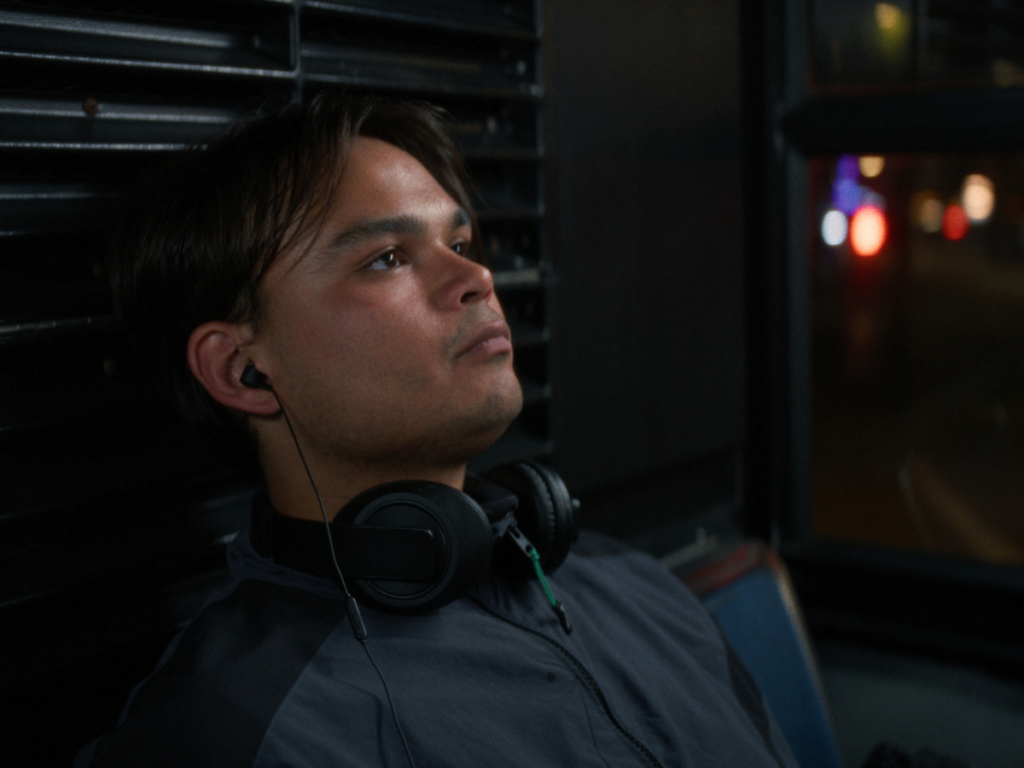
The film takes place over 17 hours, but why just 17? What did compressing these lives into one 17-hour period allow you to explore?
The number seventeen has further significance to the characters beyond the amount of time we spend with them. I don’t want to give that away because it does get revealed in the film, but that was the biggest reason I chose this number and amount of time. On another note, numerology is something I’ve been interested in, and the number 17 has kind of followed me around in strange but supportive ways. We made a nod to that in the film as well; any time you see numbers on screen (time stamps, dollar amounts, buses, etc.), the numbers, in one way or another, add up to 17.
Rather than telling this story through a single protagonist, you chose to follow three Indigenous lives that intersect. Why was it important for you to tell the story collectively rather than through one central character? What does each of these three characters allow you to say about Indigenous and queer life that the others can’t?
I think it was important for me to have a collective outlook because I wanted to show how different things could be for them despite their similarities. What I liked about the structure of Three was that I was able to show audiences that despite all three of them being Indigenous, queer, and dealing with some form of displacement, they all could not have more different lives.
You’ve mentioned ‘Seventeen’ as a love letter to chosen family within urban Indigenous queer communities. What does chosen family mean to the characters in the film, and did you choose to have that as an emotional core of the story?
December and Tamara kind of represent how obviously meaningful and important chosen family is because, in some cases, it literally keeps you alive. I know that the only reason I am alive and making work today is because of those relations I made. Aidan, on the other hand, represents an earlier point in that journey. He is still finding those relationships and beginning to understand how vital it is to have people who have your back.
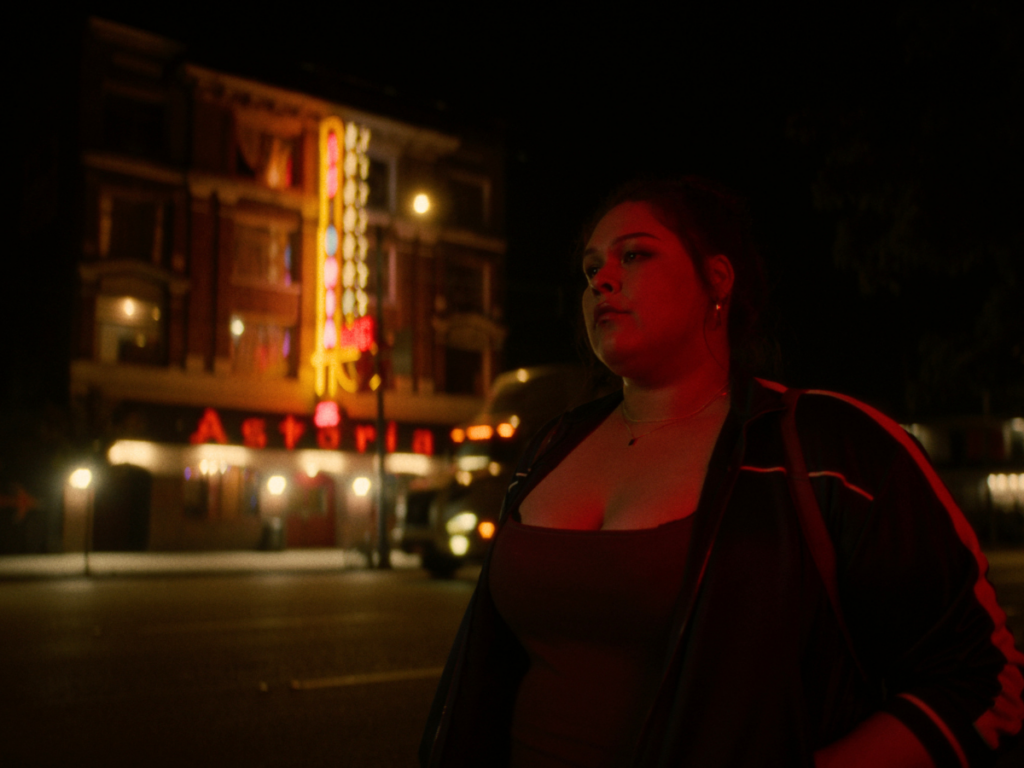
There is a long history of Indigenous characters – and particularly queer Indigenous characters – being represented primarily through trauma. How conscious were you of wanting ‘Seventeen’ to move beyond that?
Incredibly conscious. I think this also goes back to why I wanted friendship and chosen family to be the main focus of the film, because having that be the framework helped me explore scenarios that are incredibly traumatic for people. Like the loss of a family member, or financial insecurity, or being displaced, dealing with borders and the colonial impact that has on our ability to go home. I wanted to show these very real lived experiences and consequences to settler colonialism while flipping it on its head and showing that sometimes all we need to get through another bullshit day is someone who gets it.
It can be difficult to access funding when making work centred on queer, Indigenous and sex-worker experiences. ‘Seventeen’ is your debut feature, and you’ve spent years developing this story. How did you make this film possible – financially, creatively and personally?
I think this film was made possible with sheer perseverance from myself and the team, really. There were some funders who took a bit to come around, but I don’t mind having to work for it and prove that it’s something I’m unwavering in. This film also would not have happened without my producing team. Eva Thomas was really instrumental in helping me secure some of the initial financing, and then Tyler Hagan and Olivia Golosky of Experimental Forest Films really took it to the next level and made this happen in a big way. Their support and belief in the project and in me has been huge. And on a personal note, the never-ending encouragement from my community and loved ones made this possible.
Quick Takes:
– What projects are you currently pitching or developing?
I am developing two scripts currently. One is a gay native love story/crime saga, and the other is a mockumentary about small-town Indigenous pageantry.
– What stage are these projects in (writing, pre-production, post-production)?
The love story I almost have a completed draft ready to share with other eyes. The mockumentary is still in very early stages, as I plan to develop and write that one with a friend.
– What kind of collaborators are you looking for right now? (writers, actors, producers, crew, etc.)
Always looking for producers to collaborate with; hit me up!!! I usually like to work with the same actors again, but something that this experience showed me was the amount of amazing Indigenous talent that is out there. There were so many really talented people who auditioned for this project, and I wish I could’ve cast them all!
– How can people get in touch if they want to collaborate or learn more?
Get in touch on Instagram @jayuhstin or write to me via my website yourboyproductions.com
– Are you looking for submissions, funding, or other opportunities?
Always looking for funding or work opportunities.
– Any upcoming events, screenings, or launches readers should know about?
‘Seventeen’ will have its world premiere at TIFF on Sept 14th; come through!