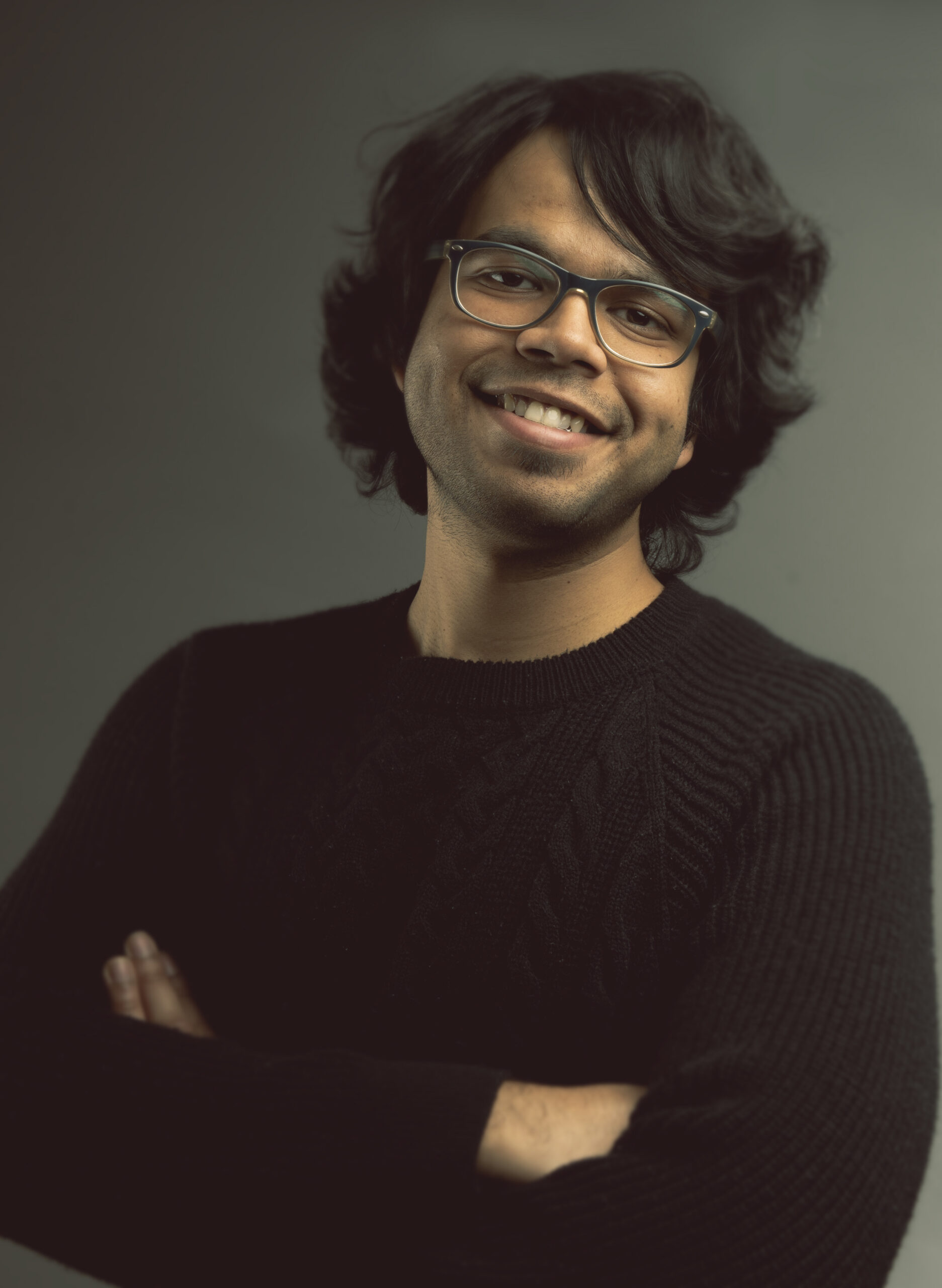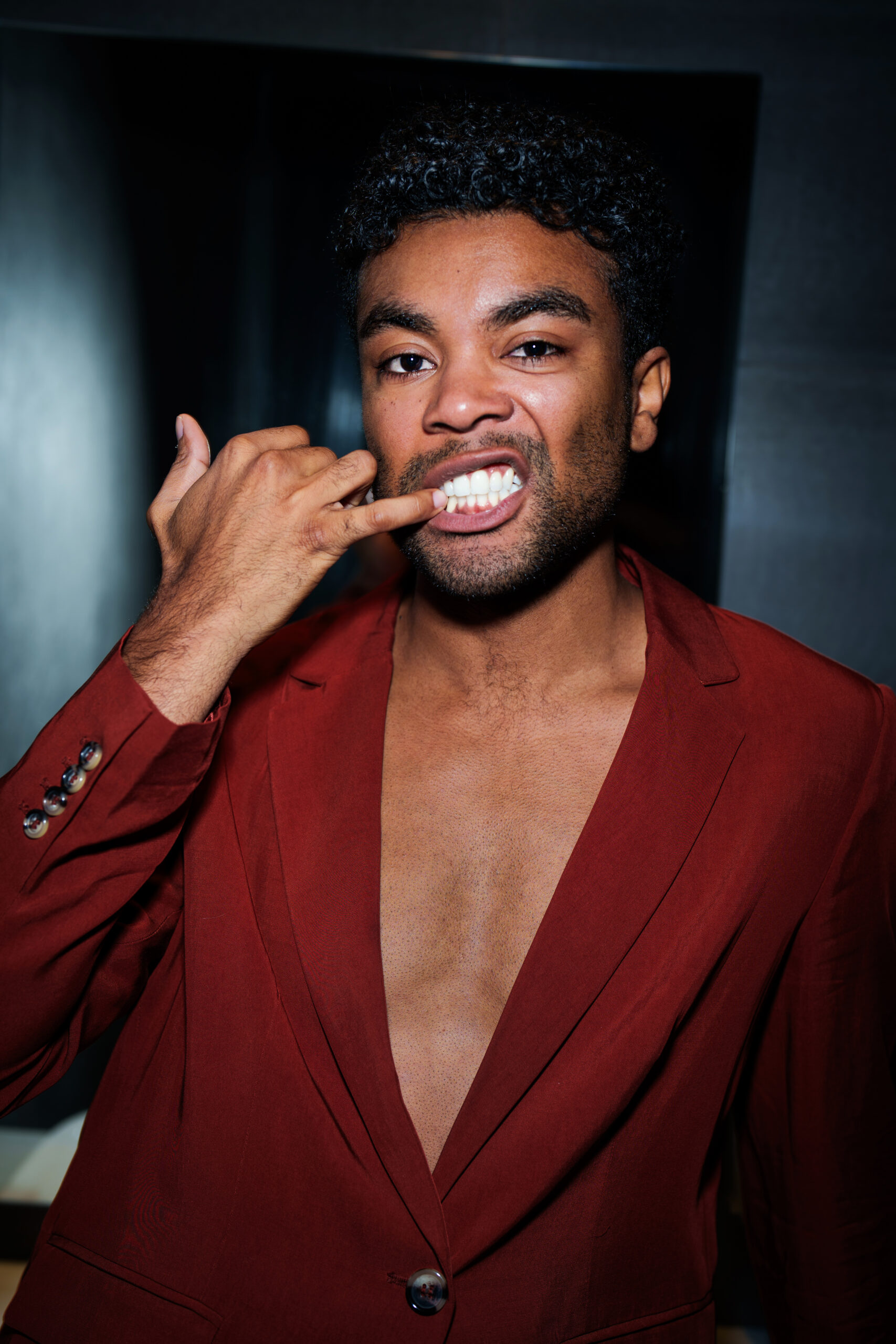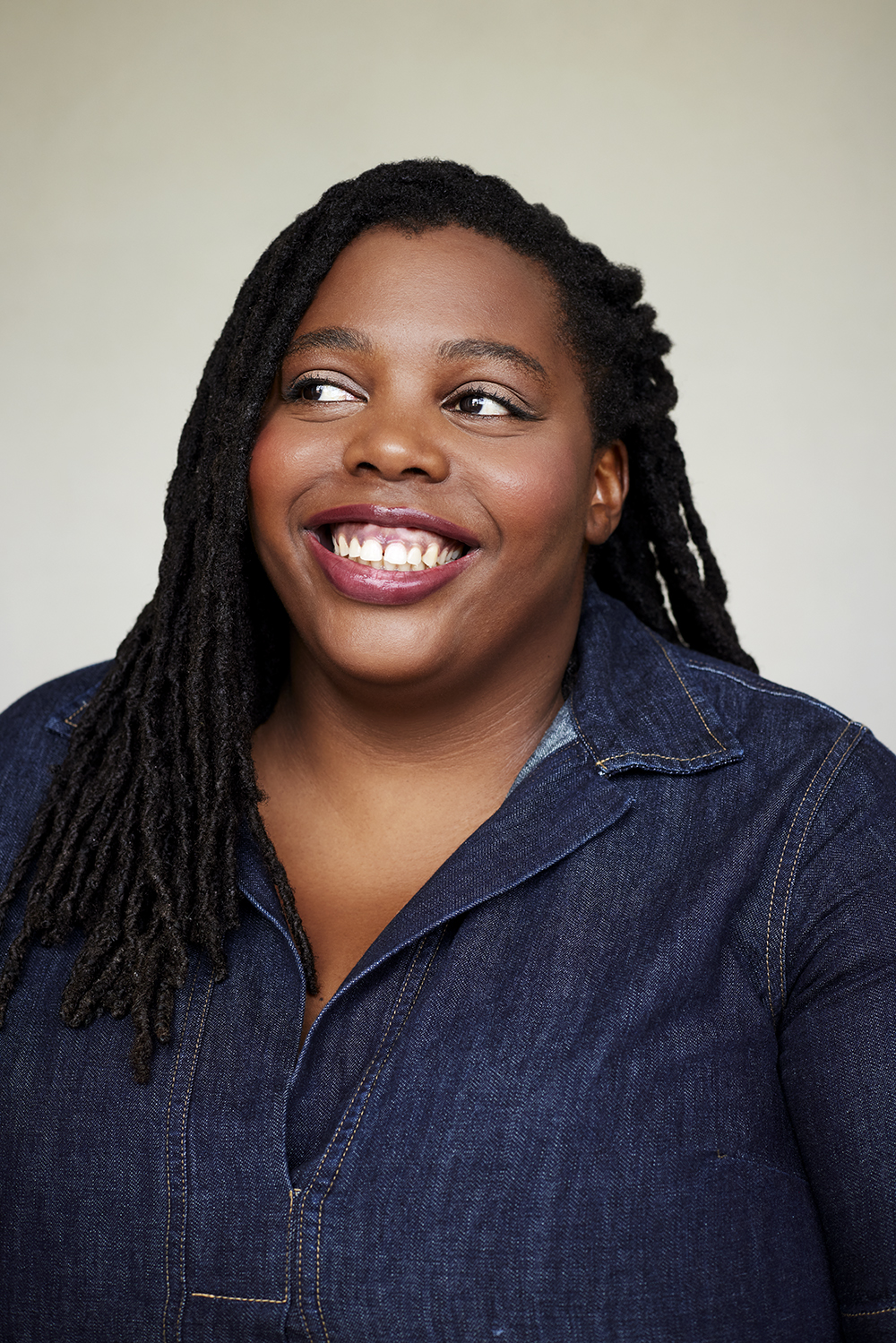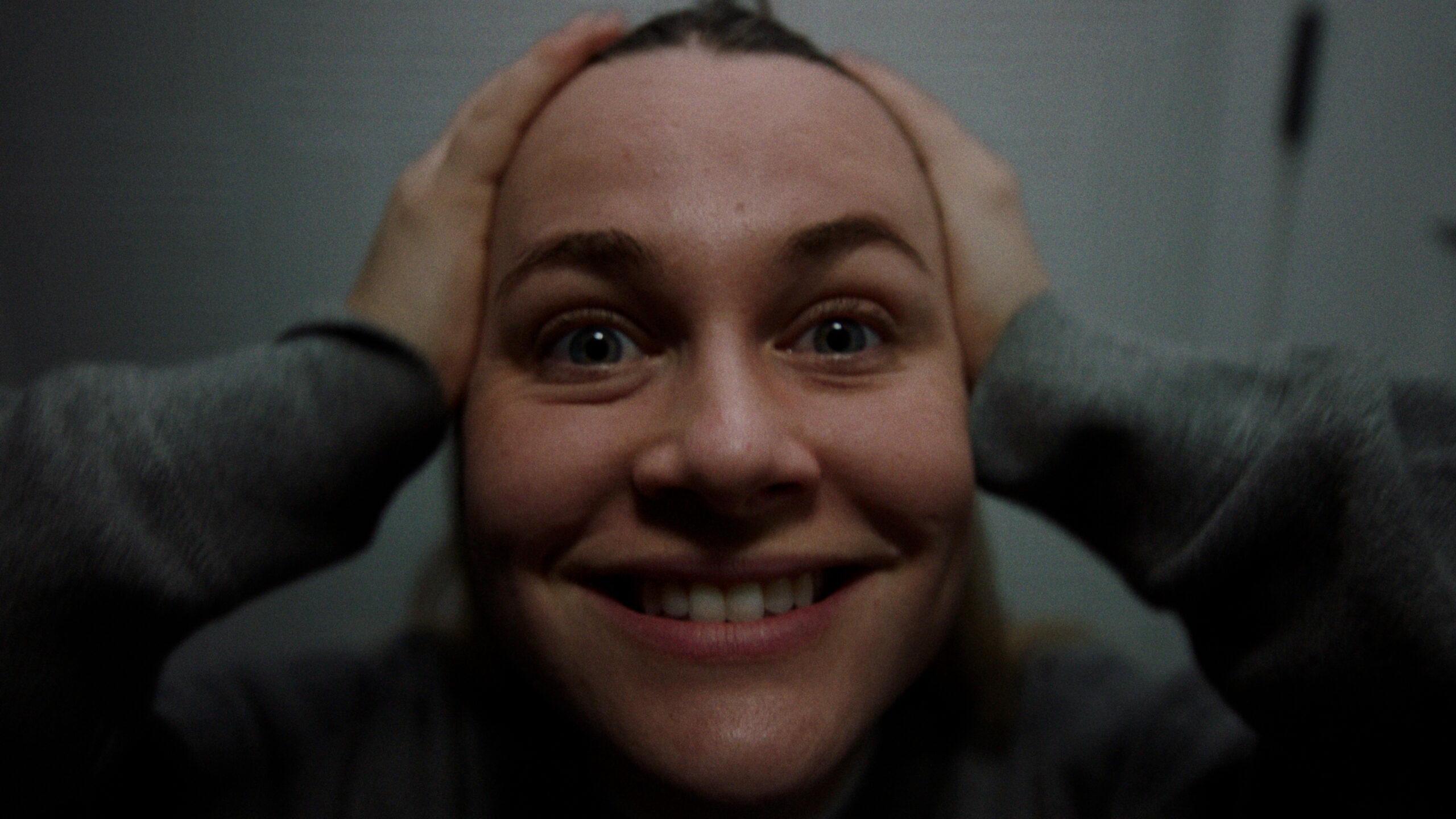
In ‘Fivehead’, insecurity takes on a life of its own. Drawing from her own experiences with body image, perfectionism, anxiety and the pressures of being an Actor/Creator/Writer/Executive Producer, Maddy Foley takes us behind the scenes of the short, transforming an intensely personal struggle into a darkly funny and unsettling story about the lengths we can go to when we become consumed by how we see ourselves. Blending horror and comedy, ‘Fivehead’ explores the absurdity and violence of beauty standards while embracing the emotional whiplash that comes with living inside our own heads. With the film having premiered at this year’s Toronto International Film Festival (TIFF) Short Cuts Programme, Shwayta Sharma spoke with the filmmaker about turning personal experiences into art, finding the balance between horror and humour, and making a fully self-funded short on a shoestring budget.
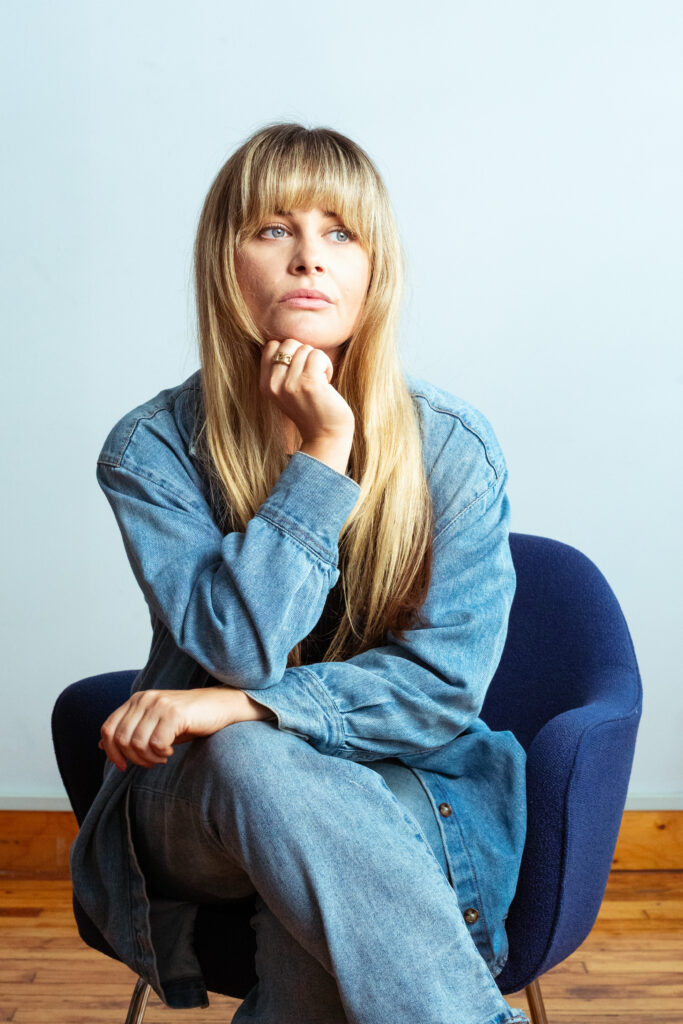
Pictured: Creator/Actor: Maddy Foley.
What was the original spark for ‘Fivehead’? You’ve said that the film came from a “very real place.” How much of Eve’s insecurity is rooted in your own experiences with body image and self-perception?
One of the reasons I felt confident enough to write this story is because I’ve struggled with body dysmorphia, intense anxiety, and rumination for many years. I was diagnosed with OCD in 2012, and as an actor who has to be on camera, it was really starting to take over my life. I would watch a scene back and hyper-fixate on everything about my appearance (my weight, my face, the way my body moved, weird moles, wrinkles) to a degree that was genuinely damaging. I wasn’t even focusing on my performance or getting better at my craft anymore. But I didn’t necessarily think there was anything wrong with it. I thought, “Well, this is the career I chose. I need to look perfect. TV shows don’t cast average-looking women.” Which is so sad, because the reason I fell in love with performing was storytelling and connecting with an audience, not because I wanted to be “hot.”
The reason I felt comfortable finding the comedy in the story is because, in a lot of ways, it’s my story. For years, I blamed my lack of success as an actor on my appearance, the same way Eve blames her life falling apart on her forehead being too big. It felt easier to believe that if I just fixed my appearance, I’d book more work. That’s a much easier pill to swallow than the actual truth, which is: this career is largely out of your control, and no matter how much you give to it, you’re never guaranteed anything in return. Eve comes from that part of my life where, instead of sitting with uncertainty, I’d latch onto something like having crow’s feet or “fat armpits” because, even though it was painful, it at least gave me something to blame.
Because it’s so close to me and something I know really well, it felt incredibly easy to slip into the character without ever feeling like we were making fun of someone or something. It’s a ridiculous story, and I think that’s part of the beauty of it. I’m taking something I genuinely struggle with and reframing it. It’s truly funny to have to cancel a plastic surgery consultation you made at 11:30 PM in a panic because you suddenly had clarity that you don’t actually need a mini-neck lift? Being able to step outside of it and point out the silliness of it all was really empowering.
What fascinated you about how our brains can take something so small and make it into something so enormous?
Well, first, write what you know. People often assume I’m “chill” (I do a lot of social masking, so that’s probably why), but in all honesty, I can be a very intense person when it comes to my perfectionism and the way I see myself. Those internal hate-spirals are something I deal with pretty frequently, and I think a lot of people do too, probably just to different degrees. It feels fun to put them on display and really see them for what they are, which is, spoiler, “never-as-serious-as-you-thought.”
I also think our internal worlds are so fascinating, and one of my favourite things about comedy is when someone has an experience or thought and you, as an audience member, go, “Oh my god, I thought I was the only one who felt that way.” Shame spirals can feel so isolating and embarrassing, so examining them with intensity and playing this particular story out to the very end felt freeing.
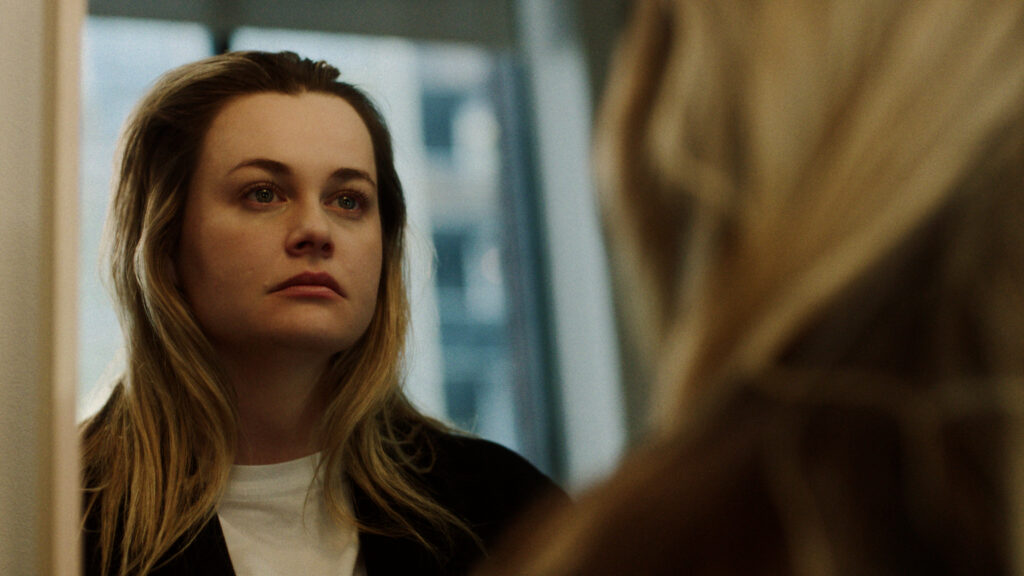
Pictured: Still from ‘Fivehead’.
Why horror and comedy? What inspired you to combine the two genres for telling Eve’s story?
This is probably going to sound like a cliché answer, but I really do think blending comedy and horror is one of the most exciting ways to tell a story right now. It feels so much more authentic than trying to force a story into one genre. Most of our lives are a blend of comedy, sadness, fear, excitement, apathy, etc., so it feels honest to let all of those things exist together rather than try to contain it into a traditional genre the way we understand them.
I also think our understanding of genre in general is changing, but that’s a conversation for another time. And it’s so fun finding those beats in a story. Like, figuring out where the comedy hits, where the horror hits, where the sadness or grounded truth comes in, and then just letting the audience feel all of it. It’s almost like music. You’re feeling the rhythm of the story and figuring out when to bring each element in.
My producers, Jenny De Lucia, Dan Stolfi, and Abby Thorpe, also really vibed with the story creatively from the beginning. Having that support made me feel much more confident about just being as honest as possible. If it’s funny, let it be funny. If it’s scary, let it be scary. If it’s sad, let it be sad. All of those moments can exist within a short film without pulling back because you’re worried it might be confusing to an audience. The whole team really understood that and were there for it every step of the way, so we just leaned into the whiplash of it all.
Were there moments where you worried that the comedy might undermine the horror or vice versa? How did you and Christian navigate that?
One of the best things about our director, Christian Smith, is that he’s always trying to elevate the material without ever trying to change what’s already there. So, we really navigated that together as a writer and director, constantly having conversations about, “Should this be more serious? Should this be funnier?”
Another really smart thing he did on set was that we would always get a really intense, serious take, and then we’d get a comedy take. Our editor, Becky Swannick, is also insanely skilled, so the two of them were able to work together in the edit to piece everything together and find the right peaks and valleys. You can manufacture so much in the edit too. Things that felt good on the page might not translate in the edit, so having lots of material to play with was key. I also feel like, now that I’m in my 30s, I’m trying a lot harder to write stories that I genuinely like and find interesting, and to trust my own taste instead of worrying about what I think I’m supposed to be doing or what an audience will like.
Having Christian as the director made me feel safe to try that because I knew he understood the material and tone and believed in it. I really do think being a little fearless helped us. And frankly, at the end of the day, we just wanted to make a fun, entertaining story.
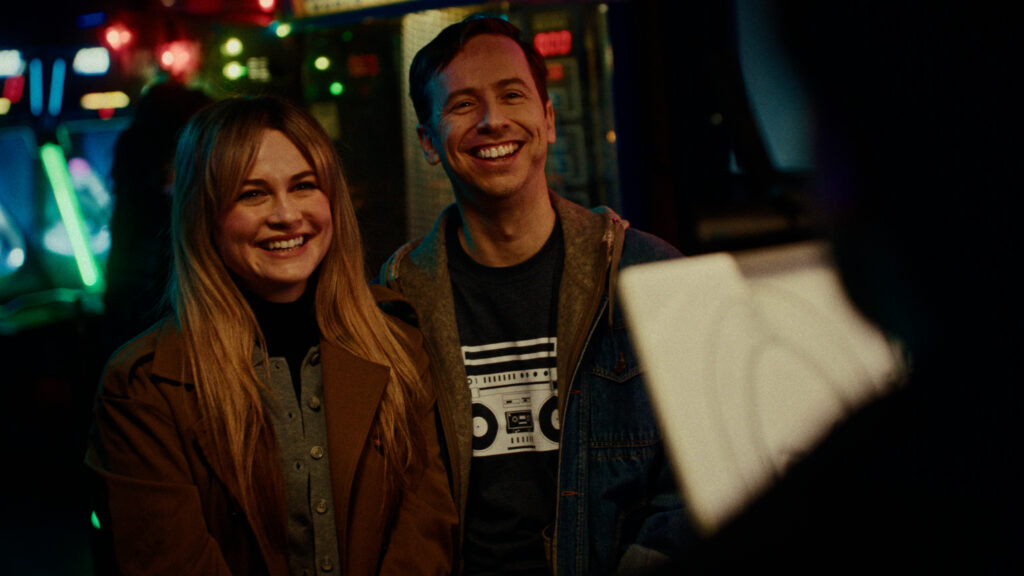
Pictured: Still from ‘Fivehead’.
Eve is essentially battling her own perception of herself. How did you want the audiences to react to the character and her actions?
I think because the whole story comes from such an honest place, while also being completely bizarre, I had to trust that people would understand what we were doing. It’s something I’m very familiar with, and while the way she handles it is really violent and dark, it was pretty liberating for me to play it out all the way to the end. I mostly just want audiences to connect with the material in whatever way they can. If there’s a moral to the story, I think it’s that you’re never going to satisfy societal beauty standards, no matter what you do. Trying to be seen as beautiful is ultimately futile and can be violent, especially for women.
But that’s also what I love about art. I can usually find a character or idea in something that connects with my own life and makes me reflect on my own beliefs or experiences. I felt like exploring obsession and body dysmorphia in this really heightened way could be cathartic for some people, in the same way it was for me. And I’m not afraid of showcasing intensity because that’s how it feels when you hate something about yourself.
Was it challenging to write the darker moments knowing that you would be performing them?
No! If anything, it was easier! I actually find it harder to play the “straight man” or the more normal parts of a character. I get so in my head trying to figure out how to perform what it’s like to be a “normal human”. When I get to be really big, expressive, upset, it’s actually much clearer what the intentions are and easier to play. It feels really liberating as a performer because I’m not stuck in my head as much.
‘Fivehead’ was fully self-funded and made on a shoestring budget. What were some of the creative choices you made keeping in mind that you would have to be inventive to stay within budget?
I don’t think I would ever write another self-funded short with more than two locations max. Our producing team absolutely knocked it out of the park finding and offering us locations that worked on our budget. I really can’t stress enough how much they contributed to the visual quality of the movie. Without them being so creative with the locations and splitting up scenes in different parts of a single house, I think the film would have been a lot more visually boring.
We also had to work really, really quickly at times, sometimes getting only one or two shots before having to move on. So everyone had to be completely on the same page, and Christian and Bob were amazing at that. They both knew exactly what they wanted, which meant we could move insanely quickly without wasting time figuring things out on the day.
There’s honestly no way we could have made this movie in three days without them being that talented. The whole team’s ability to work well and work quickly is what made it possible. Also, not as fun to talk about, but we had to cut scenes, cut dialogue, and do all the boring stuff you need to do when you don’t have enough cash.
Quick Takes:
– What projects are you currently pitching or developing?
I am developing a feature film right now in a similar tone to ‘Fivehead’ with me as the lead. It’s largely based on an experience I had as an actor, and trying to take the comedy of being an actor and mesh it with the true horrors of this profession.
– What stage are these projects in (writing, pre-production, post-production)?
I am currently focused on writing and developing this project. I have the story and am currently writing the first draft to then see if there’s any interest from producers or for funding opportunities.
– What kind of collaborators are you looking for right now? (writers, actors, producers, crew, etc.)
I am mainly looking for any producers familiar with the feature film sphere; I think that’s my next big move. I love meeting new writers and actors as well.
– How can people get in touch if they want to collaborate or learn more?
Email my agent, Emily Klama, at Art Agency. She’s the best.
– Are you looking for submissions, funding, or other opportunities?
Definitely looking for producers to connect with who like horror/comedy in the feature format. As far as funding, any help I can get!