For filmmaker Anubhav Singh, storytelling confronts difficult realities through a deeply human lens. Since arriving in Canada from New Delhi in 2016, Singh has built a career spanning award-winning short films, commercial work, and digital series, including directing all six episodes of CBC Gem’s ‘Get Up, Aisha’. His latest short, ‘City of Bystanders’, which premiered at the Mosaic International South Asian Film Festival (MISAFF), turns the mystery of a missing international student into a neo-noir exploration of the exploitation faced by immigrant workers and international students in Canada. Drawing from his own experiences as an immigrant, Singh speaks with Shwayta Sharma about building a career in Canadian film, the importance of empathy in socially conscious storytelling, and the stories he hopes to bring to the screen next.
You came to Canada from New Delhi and have since built a career as a filmmaker here in the GTA. Can you take us through that journey, from arriving in Canada as an international student to finding your way into the Canadian film industry and becoming an active filmmaker? What were some of the biggest turning points along the way?
I came here in 2016 to continue my film studies at Sheridan College. At the time, the industry looked very different, and very few South Asians worked in film. Back then, I was not only trying to adapt to a new country and its social dynamics, but also managing my mental health and anxiety.
Throughout this time, my focus remained on directing movies. I built my body of work while getting as much on-set experience as possible and learning how the industry worked. I directed my first project, a noir music video, while also working at a fast-food chain.
Later, I worked as an in-house videographer and photographer for a household food brand. I even directed multiple commercials for them. This allowed me to keep developing my directing skills while slowly building my portfolio.
One of the most important projects in this journey was my short film ‘Ma’s Button Box’, which I had filmed before coming to Canada in my mother’s ancestral home. I edited the film after moving here and prepared it for festivals during the 2020 COVID lockdown. The film went on to screen at several film festivals and won an award at the South Asian Film Festival of America in LA.
Around the same time, I directed a proof-of-concept for the web series ‘Get Up Aisha’. An important reason I got the opportunity was that I already had work to show and had been developing my own visual language through directing. This grew into a major break for me when the show got greenlit as a CBC Gem digital series, and I was hired to direct all the episodes.
Another major milestone was receiving my first grant from the Canada Council to direct ‘It Happens to Us’. It was the first short film I had written, directed, and produced on a much larger scale, with a bigger budget, a full crew, and complete creative freedom.
Looking back, I think the biggest thing that helped me move forward was consistency. No matter where I was in my career, my focus remained the same: to keep creating my own films and developing my voice as a filmmaker.
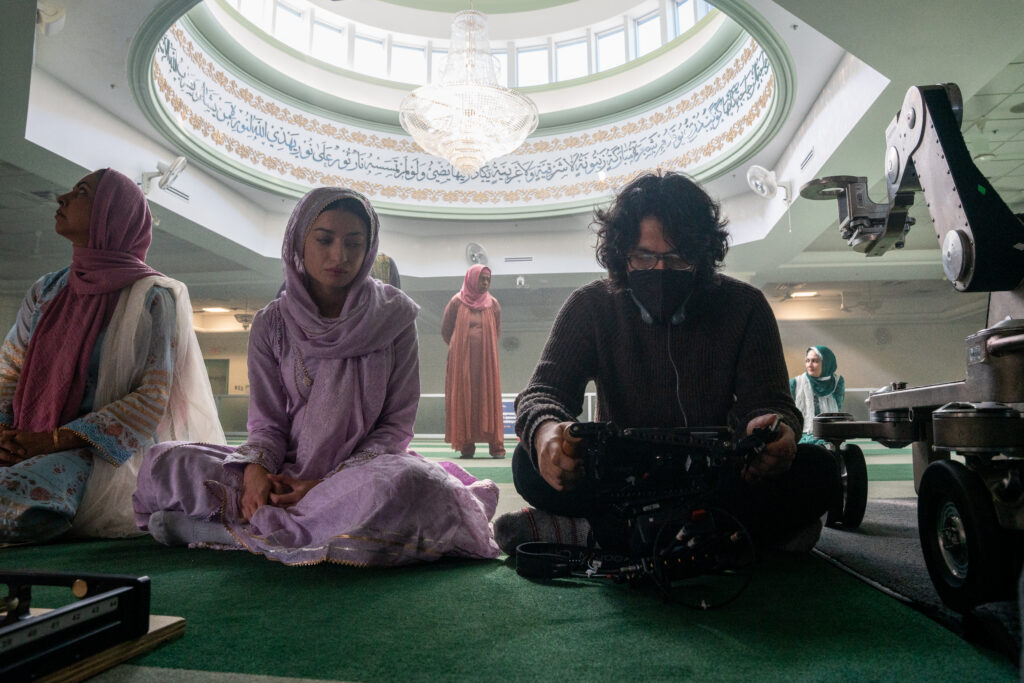
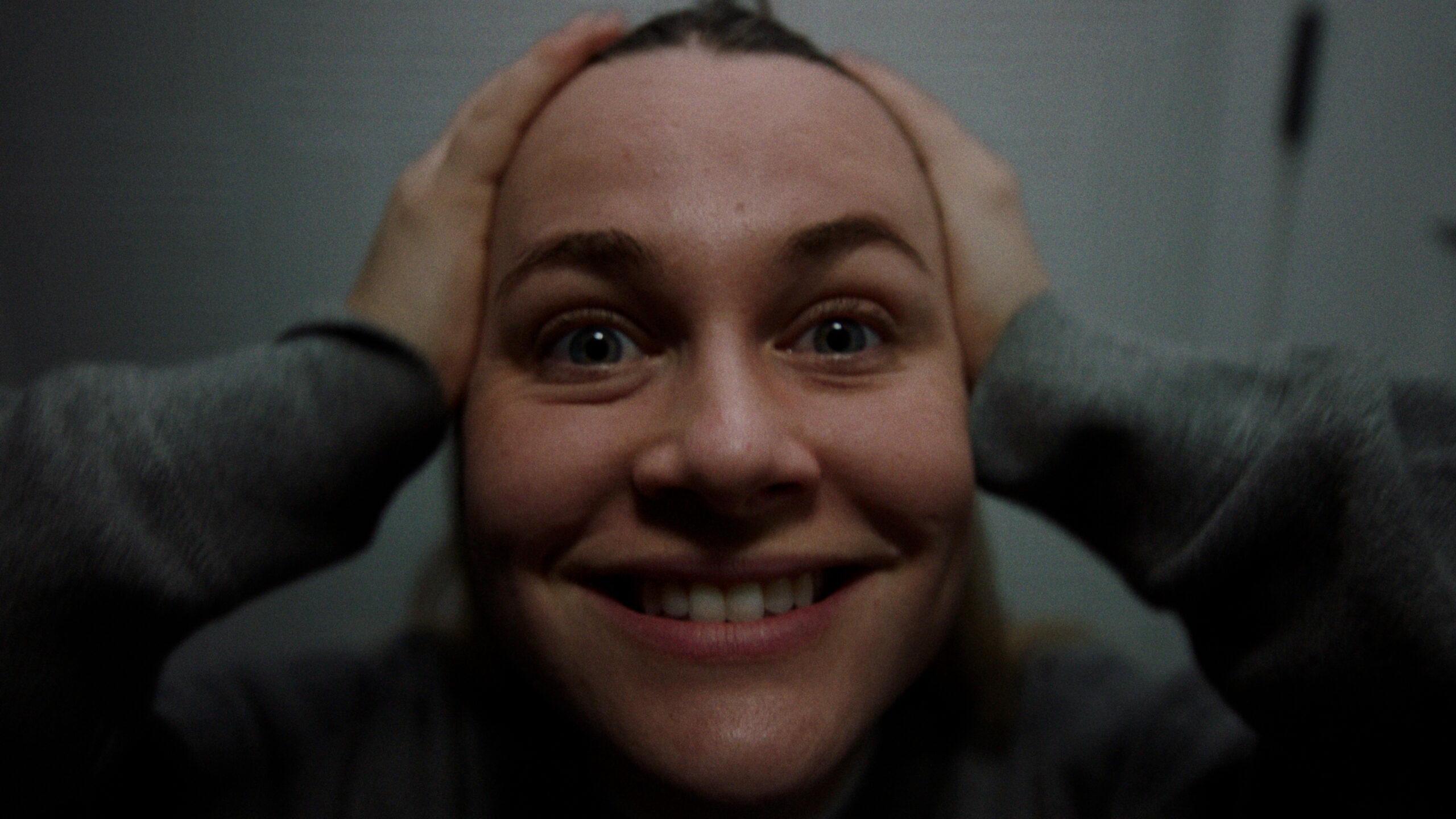
In This Image: Behind the Scenes of ‘Get up Aisha’.
You have a background in both fine art and filmmaking, and you’ve said that you’re interested in stories that are diverse but have a common emotional ground, particularly through empathy. How has living between India and Canada shaped your visual language and the kinds of stories you feel compelled to tell?
I studied Fine Arts at Delhi University before moving to Canada. The art scene there is very visually rich and much more direct. In my formative years, I was exposed to a culture that bluntly critiqued societal issues and politics, and no punches were held back. I watched street plays, visited photography and painting exhibitions that were deeply political in nature. They addressed issues of the common folk. They were freely accessible and took place in public spaces, exhibitions, and conventions, making them within reach for both connoisseurs and working-class communities alike.
My experiences in India, the bluntness that came with it and the richness of all the colours and textures I absorbed got ingrained in my visual and storytelling style. Whereas living in Canada, I explored a quieter and more reflective side of filmmaking. I learned to approach serious subjects with greater sensitivity and care. Regardless of whether I live in Canada or India, the focus of my work has always been the issues of the community I am part of, with empathy and solidarity at its core.
You directed all six episodes of ‘Get Up, Aisha’, your first digital series for CBC Gem, which explores mental health within a Pakistani-Canadian community. What was it like making that transition from short films to directing an entire digital series, and what did that experience teach you about working with a larger cast, crew, and production team?
A 15-minute short film could have its own unique visual and tonal identity, but maintaining it throughout several episodes in a show comes with challenges. The showrunners and all the creative leads, including the director, have to be working on the same vision in service to the story.
Me, our cinematographer Allen Liu, and the showrunners Marushka, Nisha, and Rabiya spent many hours in tonal meetings prior to principal photography where we locked important decisions related to lighting, camera work, visuals, and emotional beats. We went through the lighting mood boards, did script breakdowns, and I explained my shot lists for each episode, which laid the foundation for visual and tonal consistency for the show. Everyone was very receptive & collaborative, which made the process fun and satisfying.
A director is responsible for efficiency of time while filming, so I kept the camera setups minimal wherever possible to save time. Allen and I approached the camera work as if we were shooting on film. There were fewer setups, longer takes, and we relied on compositions, methodical camera movements, and blocking/staging of actors to tell the story. Thanks to the producers, we had access to some beautiful locations, and the art team had done a fantastic job dressing them.
This was my first experience with block shooting, and we were filming scenes out of the order of the script. It was a mental challenge to keep track of all the important details, especially the key emotional moments of a scene, when different parts of it had already been shot at a completely different location or time. I had to make sure that I communicated all of this clearly to the cast and crew so everyone understood where we were emotionally and narratively.
My biggest takeaway is that as a director, while we do our best to get our dream shot, it is important that we come up with ways to make everyone’s job simpler and safer while doing so.
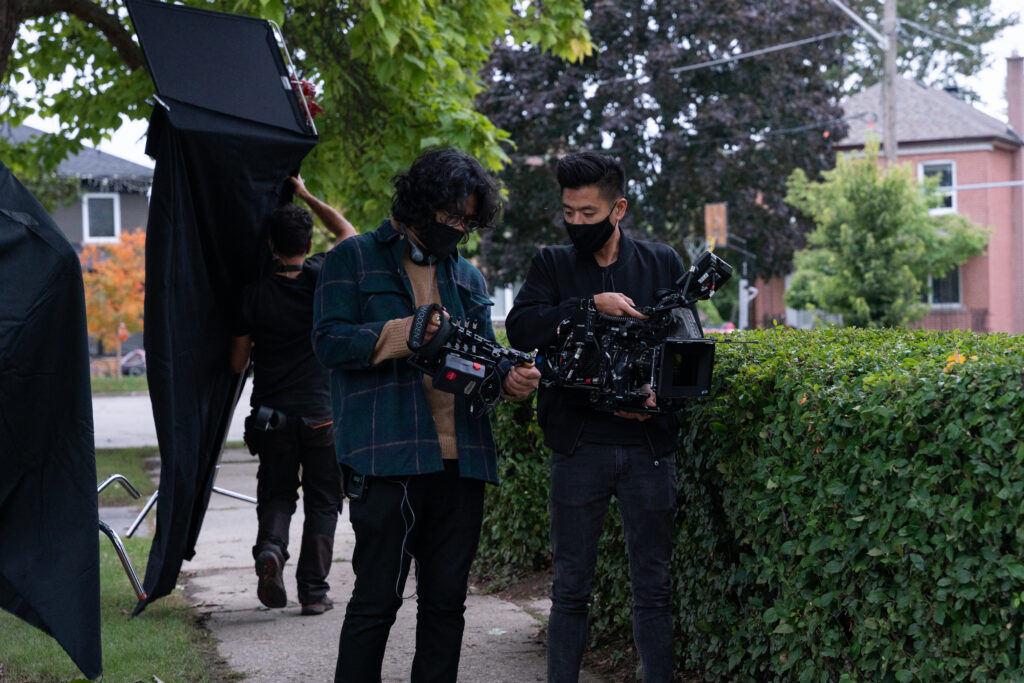
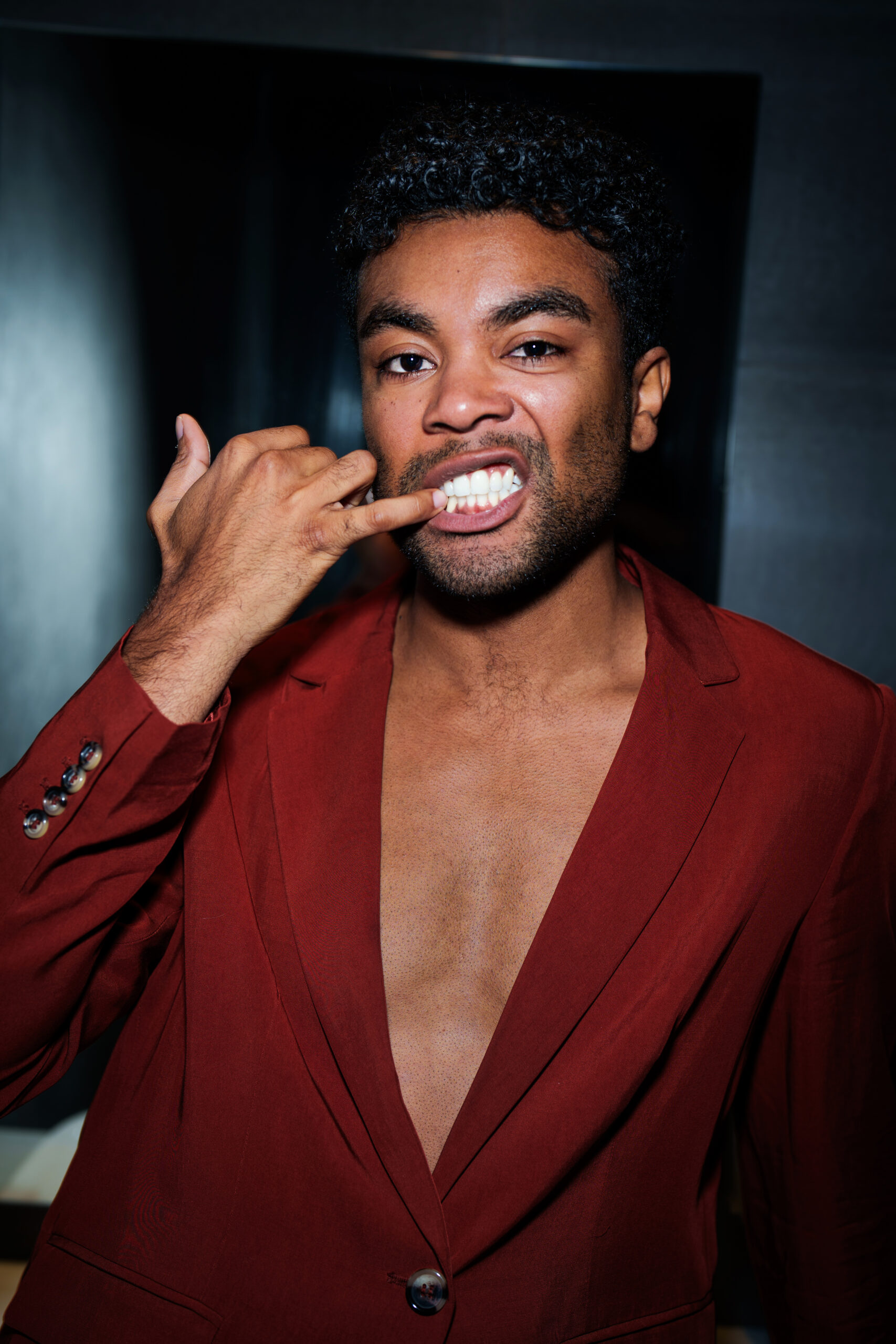
In This Image: Behind the Scenes of ‘Get up Aisha’.
Your short ‘It Happens to Us’ was inspired by the death of a man during a Peel Police wellness check and explores issues surrounding policing, welfare systems, and mental health. What was it about that story that compelled you to turn it into a film, and what did you hope audiences would take away from it?
‘It Happens to Us’ is not inspired by or based on one particular case but a pattern of them where law enforcement allegedly physically abused or killed people going through a mental health crisis during wellness checks. Even more alarming is that the investigating bodies repeatedly cleared the accused officers in most of the cases. It’s an extremely serious issue that is severely underrepresented or discussed in the media or anywhere in general.
The subject matter of the film is deeply personal to me due to my family history with schizophrenia. My grandmother and aunt had it in a severe form, and my parents worked very hard to take care of them. So I empathize with the families who were already vulnerable and had to suffer the trauma of their loved ones being taken away from them due to systemic failures.
I first learned about such a case during the COVID lockdown in 2020. I was arguing with my then roommate about it when he said: “I am glad such people are shot dead because they are a burden on the state and taxpayers”. I was shocked at his lack of empathy and responded by asking him, “Would you say the same if this happened to a family member of yours?” He could not answer. In that moment, I realized the importance of empathy when discussing serious issues. Humanity tends to get lost between statistics and figures, whereas stories humanize people. For this reason, I made ‘It Happens to Us’ as a narrative film that follows a working-class South Asian family. The story is told through the point of view of their youngest daughter. It focuses on emotions, relationships within the family, and implies that such violence not only affects the individuals with mental health conditions but also their loved ones.
I made this film to spread awareness about the issue and start a dialogue on accountability among the audience. Hopefully, next time they read about a case like this in the news, they feel on a deeper level and question the policing methods in their community.
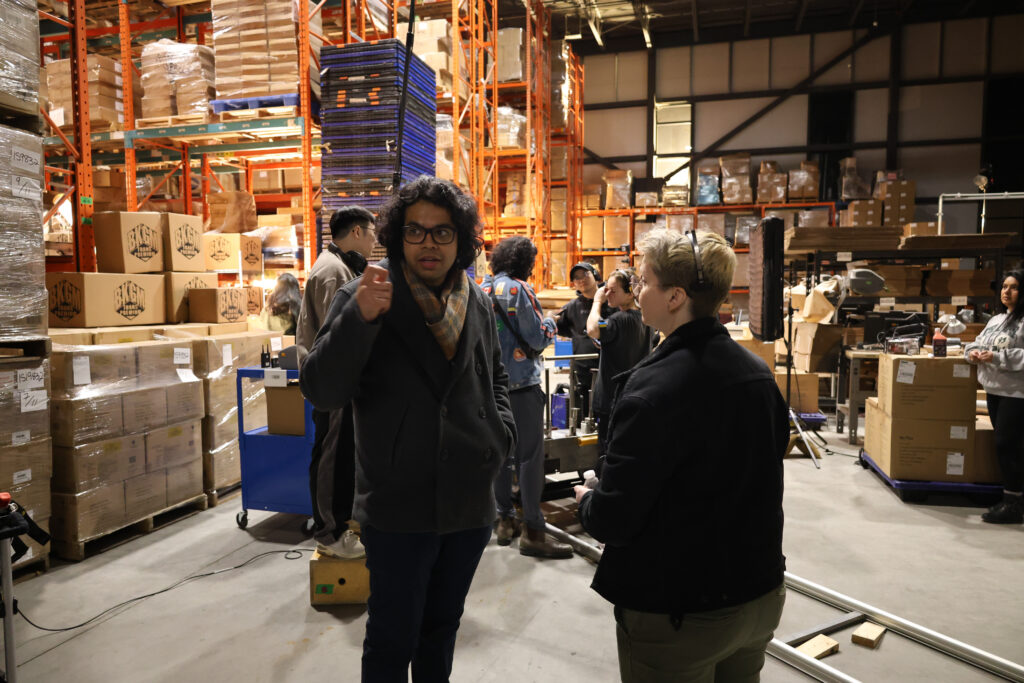
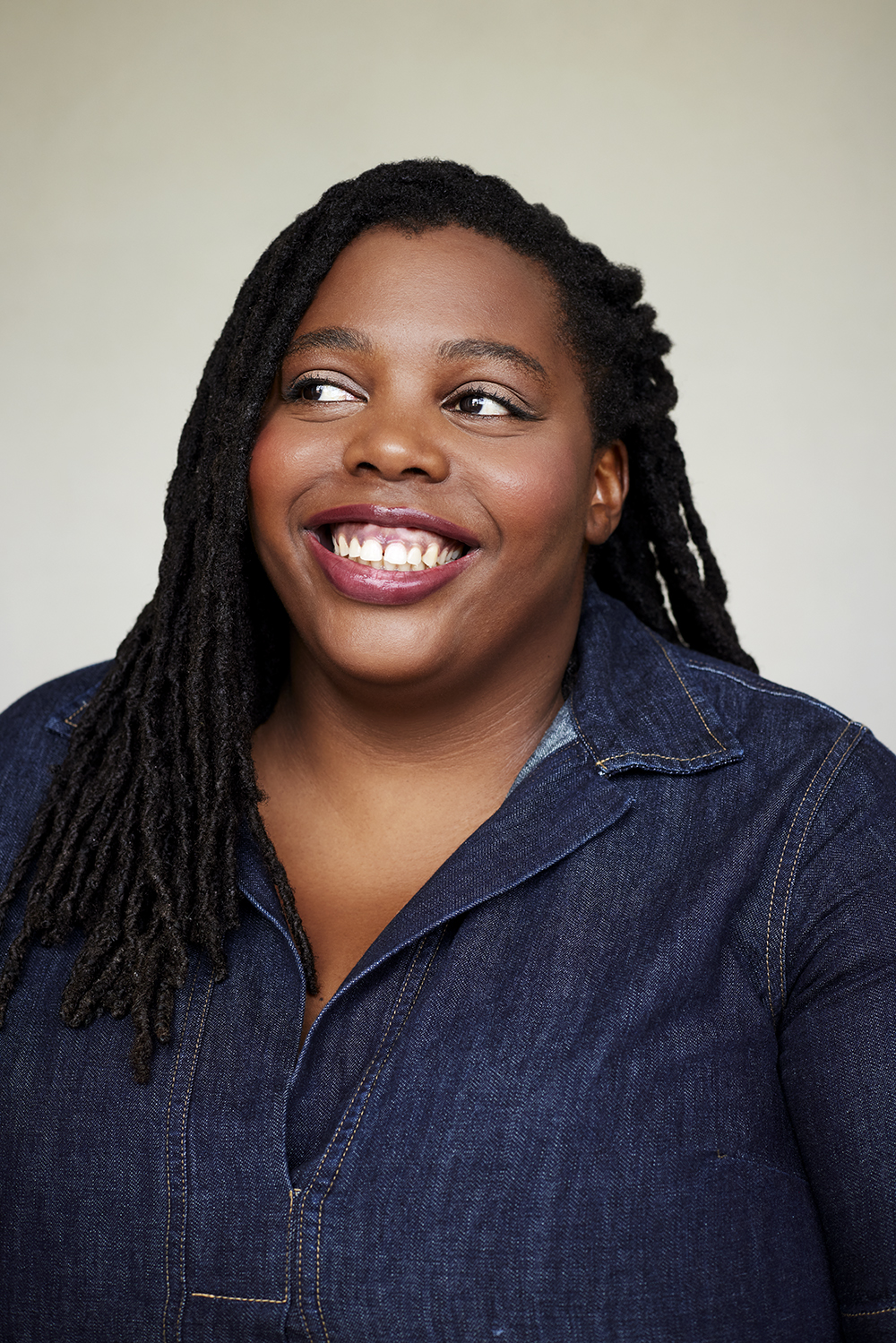
In This Image: Behind the Scenes of ‘City of Bystanders’.
Your new short ‘City of Bystanders’ follows an international student named Sai who goes missing and uses that mystery to explore the working conditions experienced by international students and immigrant workers in Canada. Why was this the story you wanted to tell now, and how did you approach turning such a complex socio-political issue into a character-driven film?
I came to Canada as an international student, and the journey to become a citizen has been strenuous. Many of my peers fell into traps set by exploitative employers who falsely promised them permanent residence in exchange for working in terrible conditions and unfair hours.
A pivotal point came when I went to a demonstration against the factory owner who had stolen months of wages. He then filed for bankruptcy. The workers protesting had life-altering injuries due to faulty machines and were never compensated or given any proper medical attention because of their status in the country. Worst part, this was not a one-off case. There are several sweatshops like this operating all over the GTA, allegedly. The fact that this happened close to where I live deeply disturbed me and compelled me to make the film.
My two older sisters have been my role models and heroes since childhood. They were the inspiration behind the lead character of the film, Sakshi. A sister who travels to Canada all the way from India and will go to any lengths to rescue her lost brother. I shared the idea with writer and close friend Debashish. Since we both have collective experiences as immigrants and a strong sense of justice, he loved the concept and wrote the screenplay. He did a phenomenal job in fleshing out the characters and writing them into a neo-noir story. We used Sakshi’s journey to bring light to the real-life issues the students and immigrant workers face behind the closed walls.
‘City of Bystanders’ was an immigrant-led production. To name a few, our amazing producer Krishna Kolanupaka and production designer Akanksha Kadam both came to Canada as international students, so did I and our writer Debashish. With the current hateful socio-political narrative around immigration, specifically against South Asian students and immigrant workers, it’s more timely than ever to tell our side of the story.
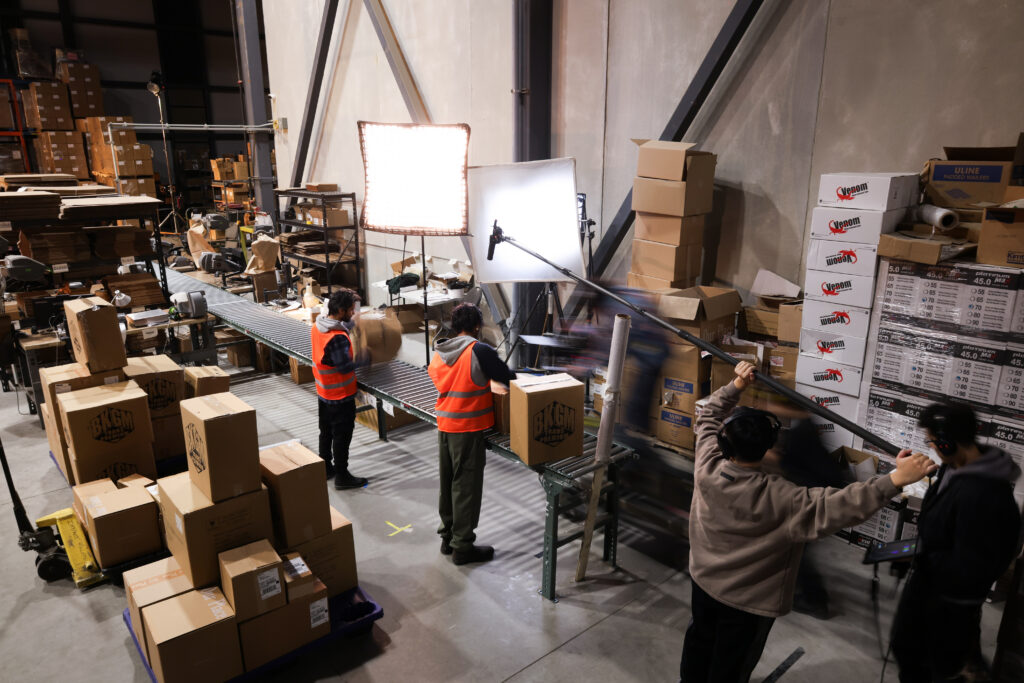
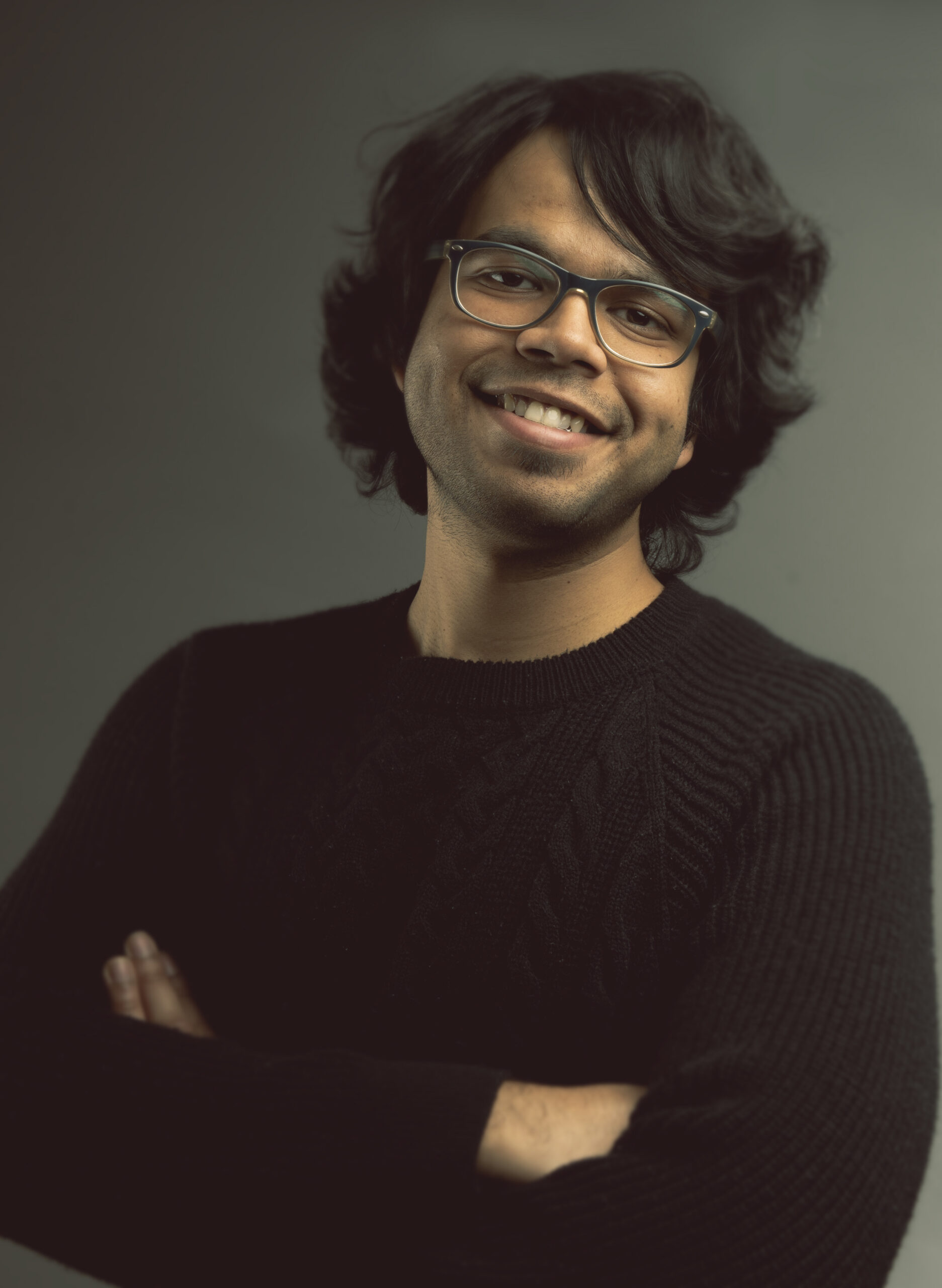
In This Image: Behind the Scenes of ‘City of Bystanders’.
Quick Takes:
Q. What projects are you currently pitching or developing?
I am currently developing a folk horror short film set in rural Ontario titled Cavernous and a feature film that is cosmic horror in genre and a spiritual successor to the ‘City of Bystanders’ short film.
Q. What stage are these projects in (writing, pre-production, post-production)?
Both the films are in development; we are a couple of drafts into the screenplay of ‘Cavernous’ and are currently applying for funding.
Q. What kind of collaborators are you looking for right now? (writers, actors, producers, crew, etc.)
We are looking to find more producers/executive producers, experienced sfx/creature specialists.
Q. How can people get in touch if they want to collaborate or learn more?
I am easy to reach via my email: anubhavsingh.doc@gmail.com
Q. Are you looking for submissions, funding, or other opportunities?
We will be applying for funding at Art Grants for our short, and will definitely be applying for Telefilm in the future with our feature film.
Q. Any upcoming events, screenings, or launches readers should know about?
We just had the world premiere of City of Bystanders at MISAFF, and the reception was brilliant.
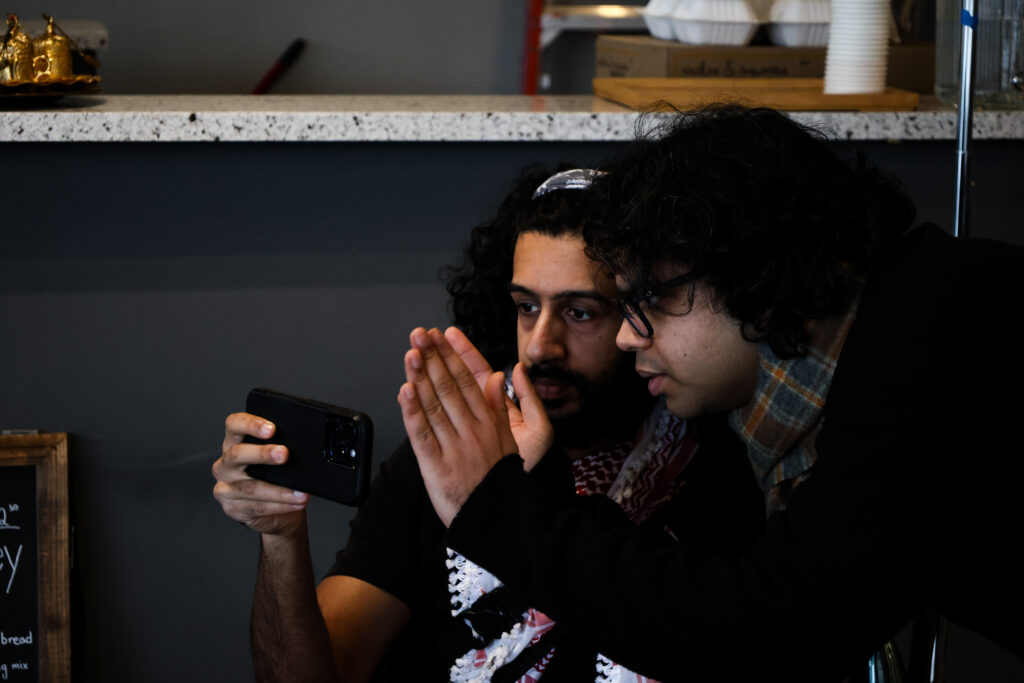
In This Image: Behind the Scenes of ‘City of Bystanders’.